Share Post


The Inland Revenue Department (IRD) has launched the second phase of Sri Lanka’s Digital Invoicing System, extending the platform to Value Added Tax (VAT)-registered businesses after successfully onboarding exporters during the initial phase, according to the Ministry of Finance, Planning and Economic Development.
The programme is part of a broader digitalisation drive aimed at strengthening tax administration. By generating an electronic audit trail for transactions, the system is designed to enhance VAT compliance, minimise tax fraud, speed up refund processing, and improve overall revenue collection efficiency.
The Ministry noted that the initiative, introduced under the 2026 Budget, is being rolled out in phases to modernise tax administration, improve efficiency, accelerate VAT refunds, and strengthen compliance as part of the country’s wider digital transformation strategy.
In Phase I, which began in October 2025, over 340 companies— including apparel exporters and tea producers operating through tea brokers—voluntarily joined the system. The Ministry said these businesses are already benefiting, particularly through quicker VAT refunds supported by system-based reconciliation processes.
Phase II focuses on expanding the system to a broader group of VAT-registered businesses on a voluntary basis. Discussions are currently underway with major manufacturers and retail chains that have shown interest in participation. Technical guidelines and integration support have already been provided to 27 export-oriented firms and another 170 VAT-registered manufacturers.
The Ministry added that strong private sector interest reflects growing confidence in the system’s ability to improve efficiency and facilitate a smoother shift toward digital tax administration.
Phase III is expected to introduce Point of Sale (POS) systems for all VAT-registered entities, with implementation planned to begin by the end of the year. Necessary amendments to the VAT Act, along with operational guidelines, will be issued by the Commissioner General of Inland Revenue.
Businesses using Enterprise Resource Planning (ERP) systems and other digital platforms will be able to directly integrate with the Revenue Administration Management Information System (RAMIS) through web API connections, enabling automated, real-time data exchange.
The Ministry described the Digital Invoicing System as a key reform aimed at modernising tax administration, improving transparency, strengthening revenue collection, and reducing administrative burdens on businesses.
The programme is part of a broader digitalisation drive aimed at strengthening tax administration. By generating an electronic audit trail for transactions, the system is designed to enhance VAT compliance, minimise tax fraud, speed up refund processing, and improve overall revenue collection efficiency.
The Ministry noted that the initiative, introduced under the 2026 Budget, is being rolled out in phases to modernise tax administration, improve efficiency, accelerate VAT refunds, and strengthen compliance as part of the country’s wider digital transformation strategy.
In Phase I, which began in October 2025, over 340 companies— including apparel exporters and tea producers operating through tea brokers—voluntarily joined the system. The Ministry said these businesses are already benefiting, particularly through quicker VAT refunds supported by system-based reconciliation processes.
Phase II focuses on expanding the system to a broader group of VAT-registered businesses on a voluntary basis. Discussions are currently underway with major manufacturers and retail chains that have shown interest in participation. Technical guidelines and integration support have already been provided to 27 export-oriented firms and another 170 VAT-registered manufacturers.
The Ministry added that strong private sector interest reflects growing confidence in the system’s ability to improve efficiency and facilitate a smoother shift toward digital tax administration.
Phase III is expected to introduce Point of Sale (POS) systems for all VAT-registered entities, with implementation planned to begin by the end of the year. Necessary amendments to the VAT Act, along with operational guidelines, will be issued by the Commissioner General of Inland Revenue.
Businesses using Enterprise Resource Planning (ERP) systems and other digital platforms will be able to directly integrate with the Revenue Administration Management Information System (RAMIS) through web API connections, enabling automated, real-time data exchange.
The Ministry described the Digital Invoicing System as a key reform aimed at modernising tax administration, improving transparency, strengthening revenue collection, and reducing administrative burdens on businesses.
Latest News
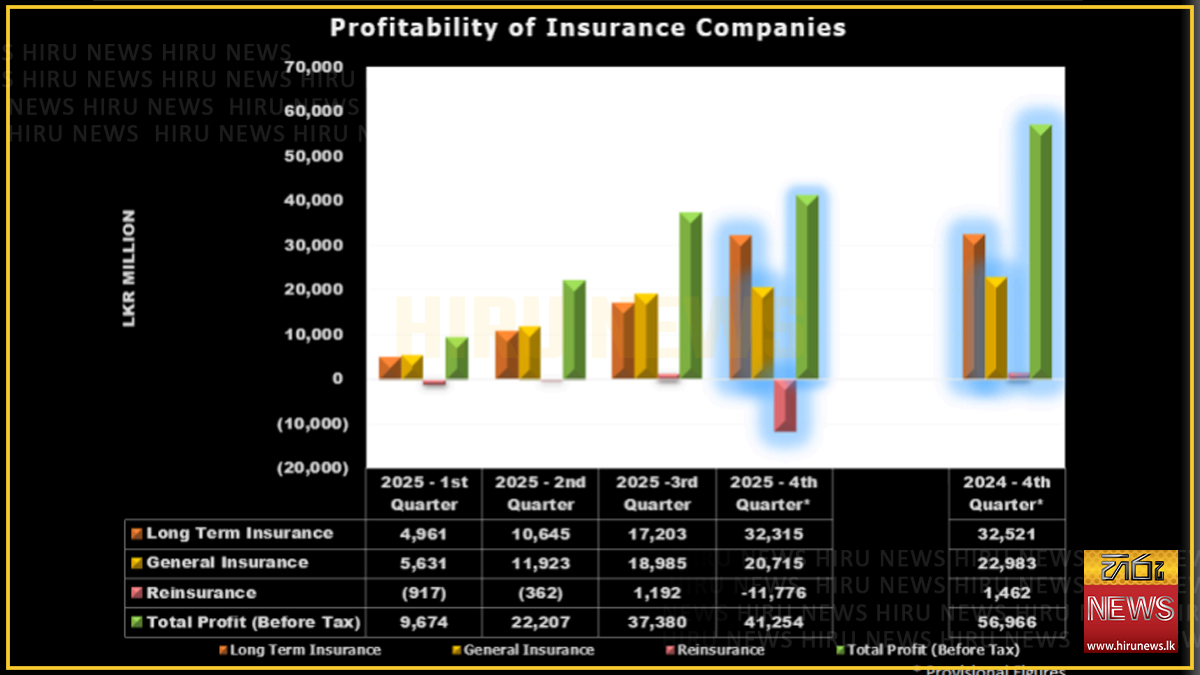
Insurance sector PBT declines in Q4 amid rising claims and costs: IRCSL
Local
09 June 2026
ITB Asia 2026 to return to Singapore from October 21 to 23
Local
09 June 2026

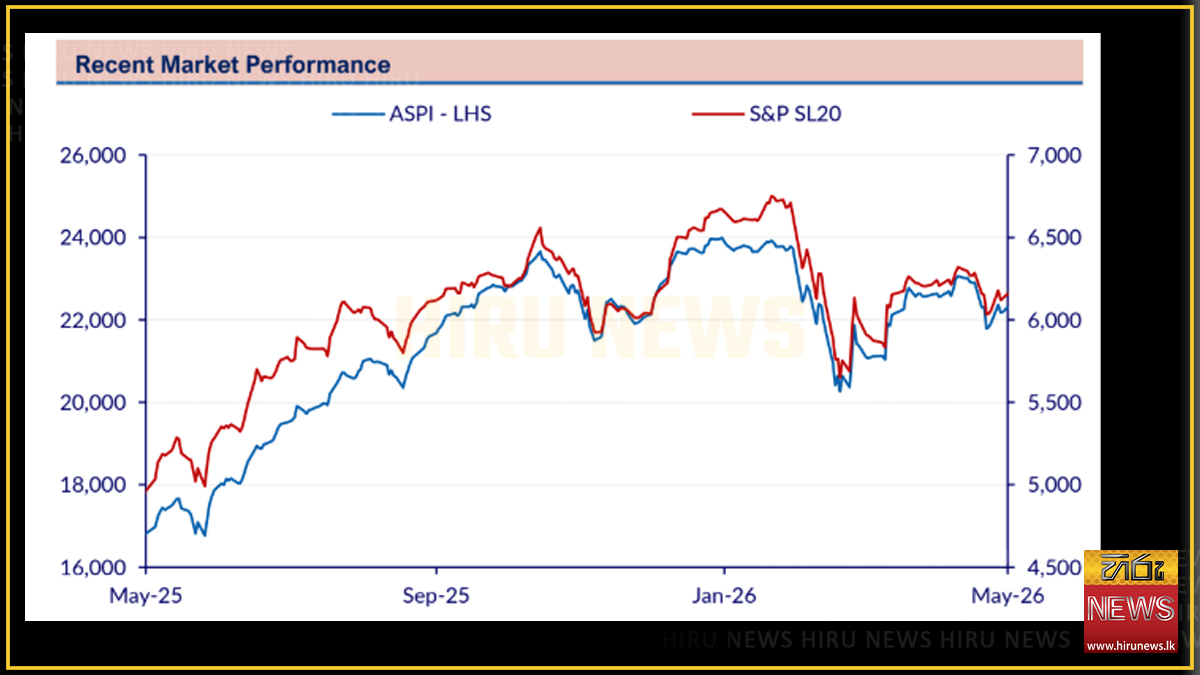
Colombo bourse ends lower in May as foreign outflows widen: CT Smith report
Local
09 June 2026
Maris Stella College OBA hosts Annual College Day Oration focusing on education reform
Local
09 June 2026

Suspect arrested with firearms in soldier abduction case
Local
09 June 2026

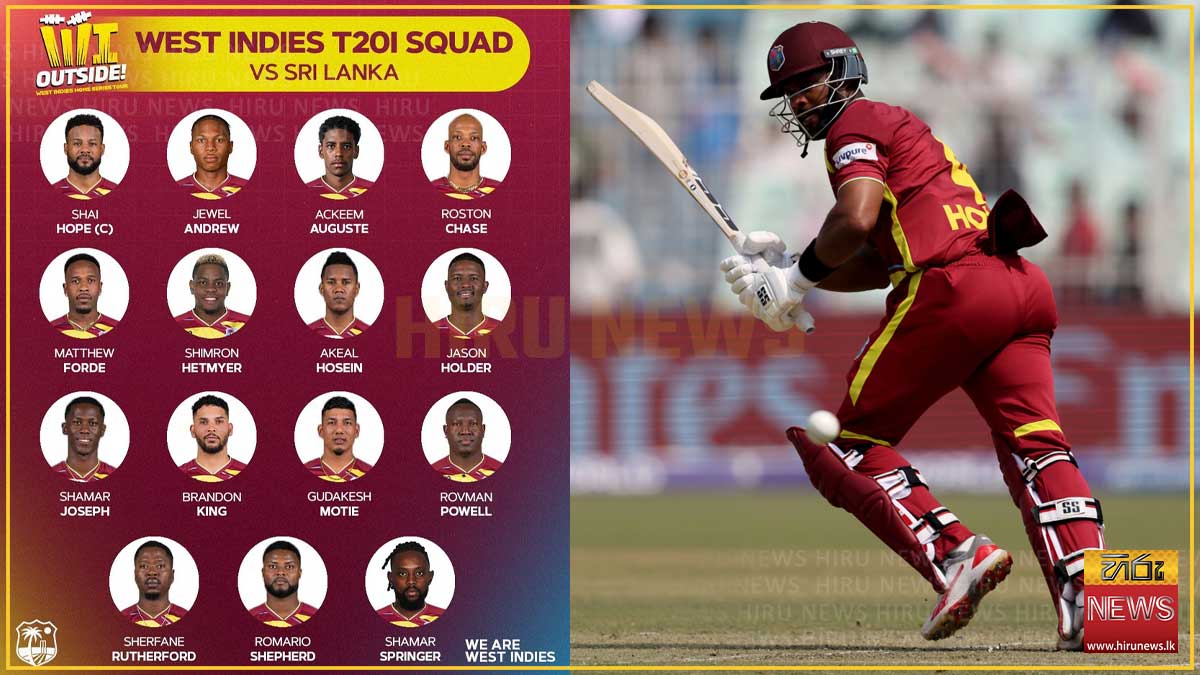
Key player misses out as West Indies name squad for SL tour
Local
09 June 2026
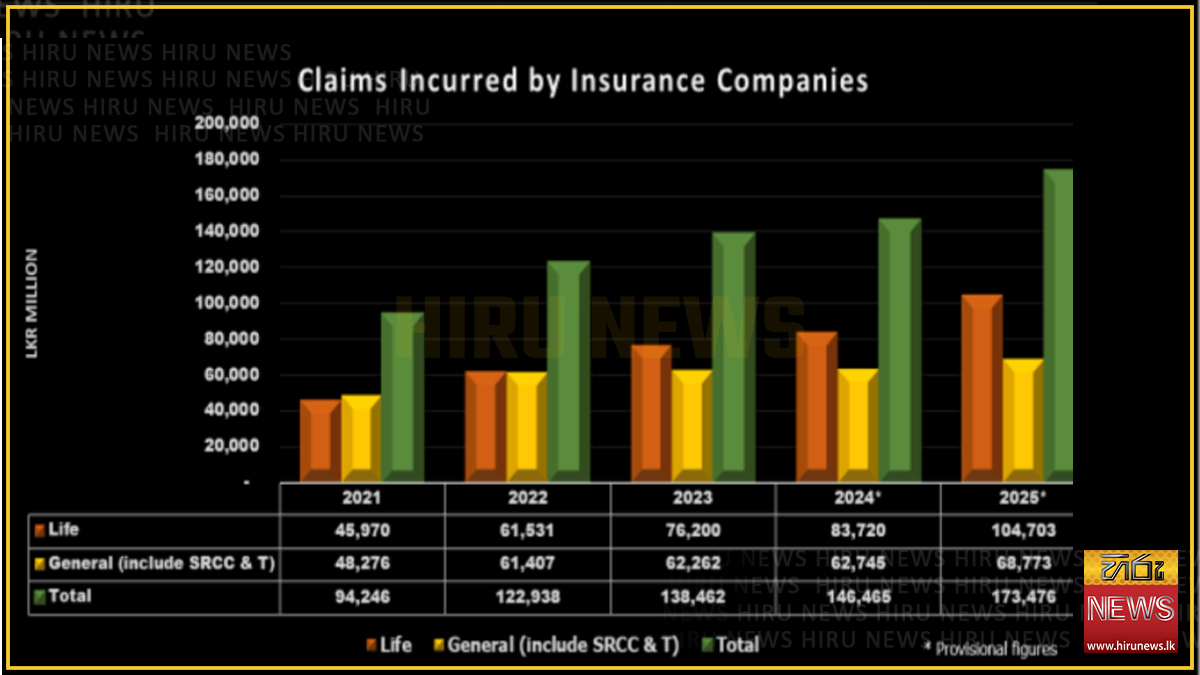
Insurance sector receives 24,757 Ditwa claims worth Rs. 56 bn: IRCSL
Local
09 June 2026
Netflix unveils live-action Scooby-Doo series
Local
09 June 2026

Evidence hearing in Kapila Chandrasena death inquiry postponed to June 19
Local
09 June 2026

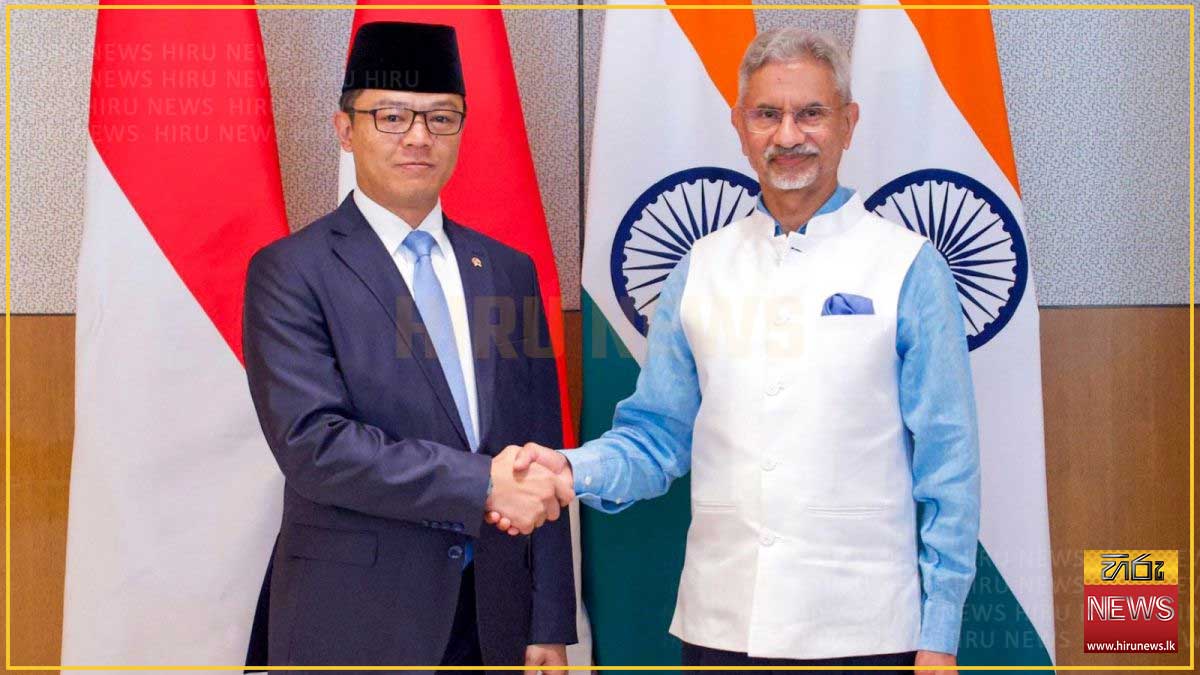
India, Indonesia hold 8th Joint Commission Meeting
Local
09 June 2026