


Share Post


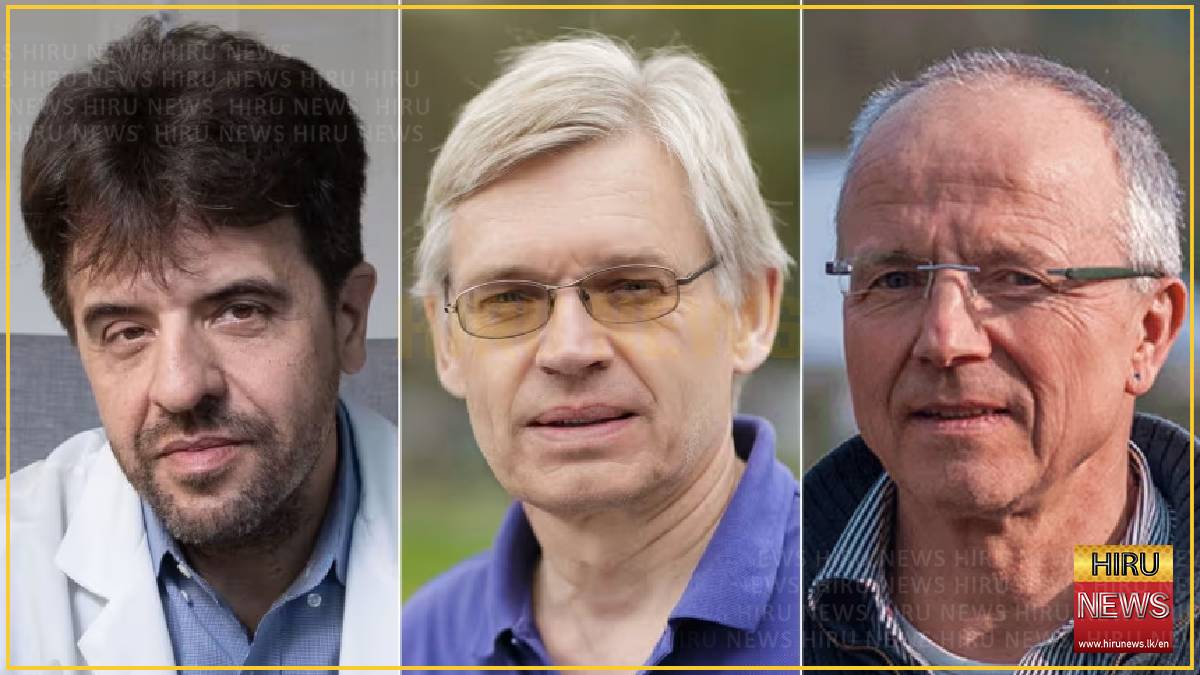
The 2026 Nobel Prize in physiology or medicine has been awarded to three scientists – Karl Deisseroth, Peter Hegemann and Georg Nagel – for their work developing a technique to decode the inner workings of the brain.
This method – known as optogenetics – acts as a “light-sensitive switch,” allowing scientists to potentially “map which cells are responsible for which function” in the brain, said Anna Wedell, a member of the Nobel Prize committee, which announced the prestigious honor in Sweden on Monday.
The German duo of Hegemann and Nagel discovered a protein in algae, known as channelrhodopsin, before American scientist Deisseroth “transformed the protein into a light-controlled switch for nerve cells,” the committee said in a statement. That work has “laid the foundation for a new era in neuroscience,” the committee added.
By using this method, researchers can illuminate neural circuits which govern “specific memories, feelings, and behaviors relevant for neurological and psychiatric disorders.”
David Pendlebury, head of research analysis at Clarivate’s Institute for Scientific Information, said the award highlights the “profound impact of a field that has fundamentally changed how scientists understand the brain and nervous system.”
“The Nobel Committee’s recognition underscores the extraordinary influence of this work, which has transformed neuroscience by enabling researchers to use light to precisely control and study neural activity,” Pendlebury said.
-CNN
Latest News
3% of Sri Lanka’s population remains without mobile connectivity despite 5G expansion
Local
11 November 2026

Bangladesh prosecutor says ousted Premier Hasina has exhausted legal options against death sentence
Local
10 November 2026

ADB, CEPA call for natural capital accounts to guide investment
Local
10 November 2026

Lanka Ashok Leyland revenue surges 78% to Rs.13.76 Bn
Local
10 November 2026

Sri Lanka’s Bhikkhunī ordination legacy honoured at University of Toronto
Local
10 November 2026

Queens Radio Marine Electronics marks 70 years
Local
10 November 2026

Pentagon chief Hegseth calls moves to impeach him a farce and sabotage
Local
10 November 2026

Chicagoans push 110-tonne sculpture 7 inches left to free 'Man Inside'
Local
10 November 2026

Global oil prices slide further
Local
10 November 2026

'Move The Bean 7 Inches!' Hundreds show up in Chicago to rescue a man stuck inside the giant sculpture
Local
10 November 2026