



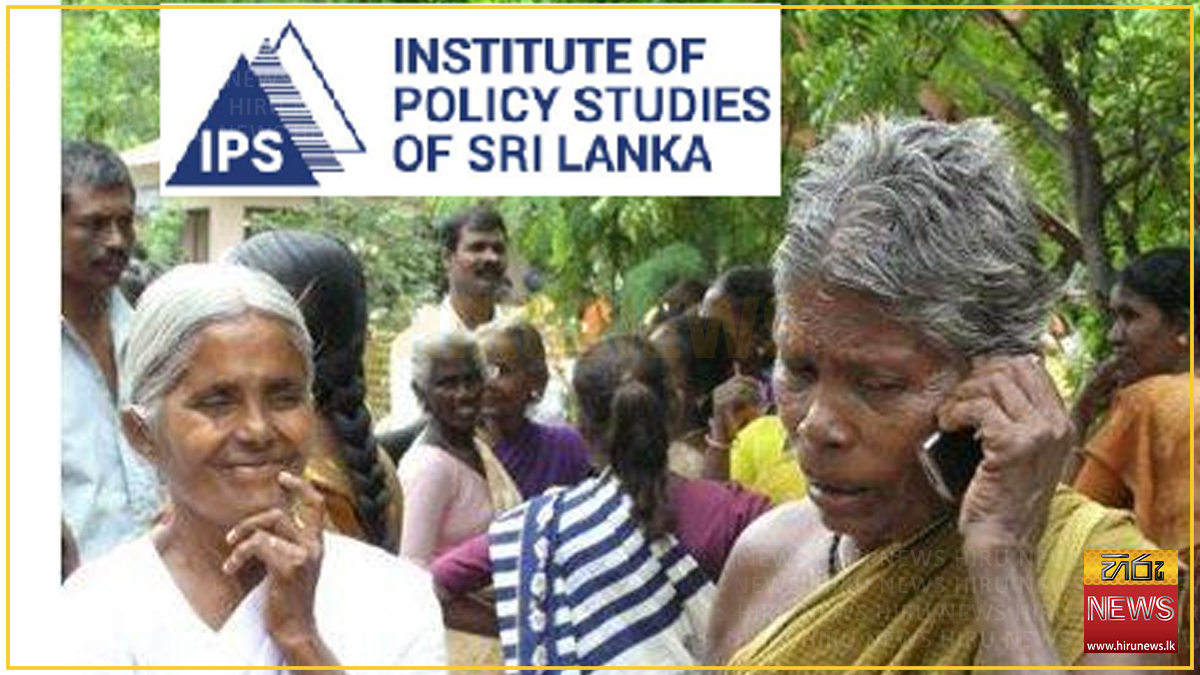


Nearly 42% of Sri Lankan adults from the poorest 40% of the population are now using digital payments, according to the Institute of Policy Studies (IPS) State of the Economy 2025 report.
“This trend bodes well for developing Sri Lanka’s growing e-commerce sector and enhancing the safety and convenience of the country’s public transport system,” the report notes.
It adds that widespread access to digital channels can also benefit farmers, enable more efficient extension services and increase productivity. In the context of global trade uncertainties, digitalisation can help lower trade costs and enhance export competitiveness through product traceability to meet international regulations.
Technology infusion and digitalisation are identified as powerful engines for delivering cost-effective economic gains more rapidly.
However, the report highlights some challenges. National computer literacy remains relatively low at around 39%, dropping to 17.9% in the estate sector. “Addressing these gaps presents significant opportunities,” the report emphasizes. Digital innovation can improve access to health, education, and government services, helping to bridge some of these inequities.
For instance, investing in digital access for underprivileged schools, coupled with support for affordable digital services and digital literacy, can help narrow ongoing education gaps and promote inclusive growth.
Latest News
Sri Lanka beat India 26-19 in Asia Rugby Sevens

Grade 5 Scholarship re-scrutinized results released

National system operator denies plant breakdown reports

Sajith calls for transparent probe into tusker Kavantissa's death

National grid expected to be restored by 6.30 pm
BPC backs Sri Lanka FinTech Festival as Gold Sponsor

Chinese Dragon Café opens 13th outlet in Negombo

SLT-MOBITEL supports over 1,000 students through education initiatives

Kazakhstan defeat Sri Lanka 32-5 in Women’s Rugby Sevens

The Avenue brings Greek and Sri Lankan flavours together for two-night dinner