


Share Post


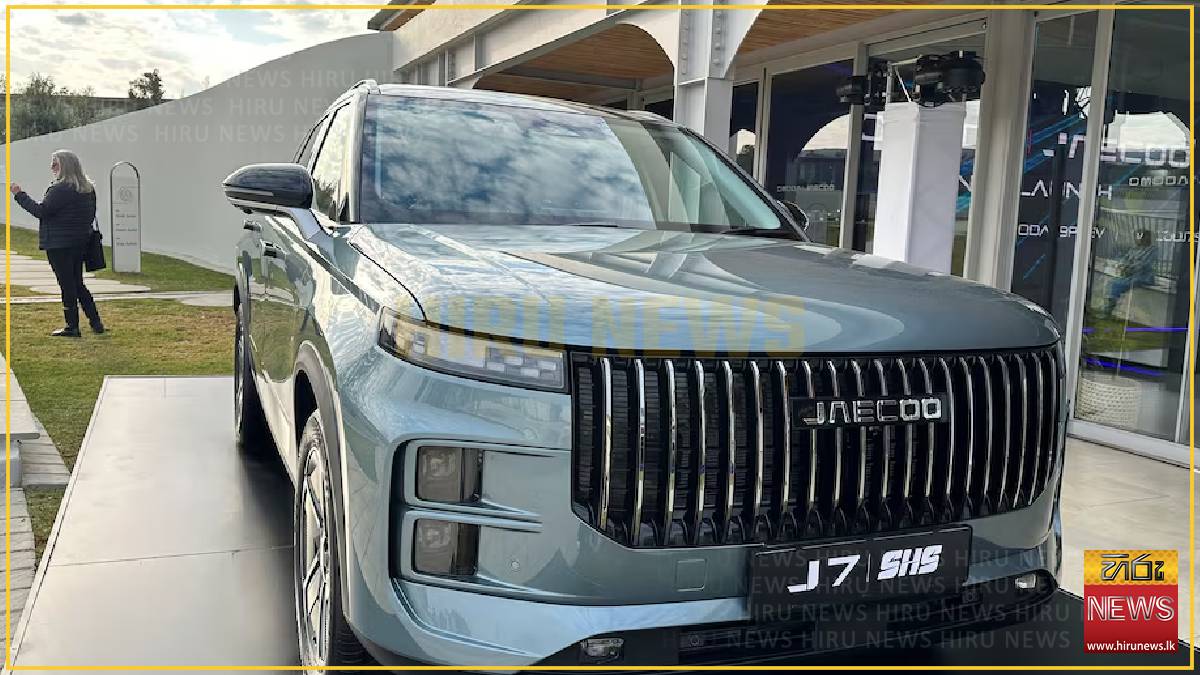
South Africa plans to add to its automotive incentive programme minerals used in the manufacturing of electric vehicle batteries to boost local EV production and support related supply chains.
The government is reviewing its automotive policy to address the global shift toward electric and hybrid vehicles, tightening emissions rules and rising competition from low-cost imports, particularly from China and India.
The current list of "standard materials" covered by the incentives includes inputs such as aluminium, steel and platinum group metals but not minerals critical in EV battery production.
The International Trade Administration Commission (ITAC) said in a government notice released late on Monday it planned to expand the list by adding materials such as rare earths, iron, lithium, graphite, copper and cobalt.
To be included in the programme, the materials will need to be sourced from the Southern African Customs Union and countries of the Southern African Development Community. Half of their value would be counted as locally value added, allowing producers to qualify for production incentives on that basis.
The revisions are intended to align the programme with the South African Automotive Master Plan 2035, which aims to raise output to about 1.4 million vehicles a year, deepen localisation and support the transition to electric mobility.
South Africa's automotive programme supports the industry through customs duty rebates and refunds, production-linked incentives, investment support, and a volume-based allowance that rewards carmakers for producing vehicles at scale in South Africa.
The public has four weeks to comment on the proposed amendments.
-Reuters
The government is reviewing its automotive policy to address the global shift toward electric and hybrid vehicles, tightening emissions rules and rising competition from low-cost imports, particularly from China and India.
The current list of "standard materials" covered by the incentives includes inputs such as aluminium, steel and platinum group metals but not minerals critical in EV battery production.
The International Trade Administration Commission (ITAC) said in a government notice released late on Monday it planned to expand the list by adding materials such as rare earths, iron, lithium, graphite, copper and cobalt.
To be included in the programme, the materials will need to be sourced from the Southern African Customs Union and countries of the Southern African Development Community. Half of their value would be counted as locally value added, allowing producers to qualify for production incentives on that basis.
The revisions are intended to align the programme with the South African Automotive Master Plan 2035, which aims to raise output to about 1.4 million vehicles a year, deepen localisation and support the transition to electric mobility.
South Africa's automotive programme supports the industry through customs duty rebates and refunds, production-linked incentives, investment support, and a volume-based allowance that rewards carmakers for producing vehicles at scale in South Africa.
The public has four weeks to comment on the proposed amendments.
-Reuters
Latest News
SpaceX's lofty valuation set to put 'Elon premium' to test
Local
09 June 2026

Shackled, bleeding, raped: Palestinians describe abuse in Israel’s prisons
Local
09 June 2026

India raises jet fuel price for local airlines
Local
09 June 2026

Iran’s late supreme leader funeral could take place in June
Local
09 June 2026
Denmark grants cement producer $2.6bn for carbon capture and storage
Local
09 June 2026
Ukraine, Latvia sign drone deal
Local
09 June 2026
Could humanoid robots be heading for the battlefield?
Local
09 June 2026
Iran gains confidence despite Trump’s regime change push
Local
09 June 2026
10 arrested over alleged organised crime links
Local
09 June 2026

Climate summit host Turkey proposes 2035 global electricity target
Local
09 June 2026