Share Post


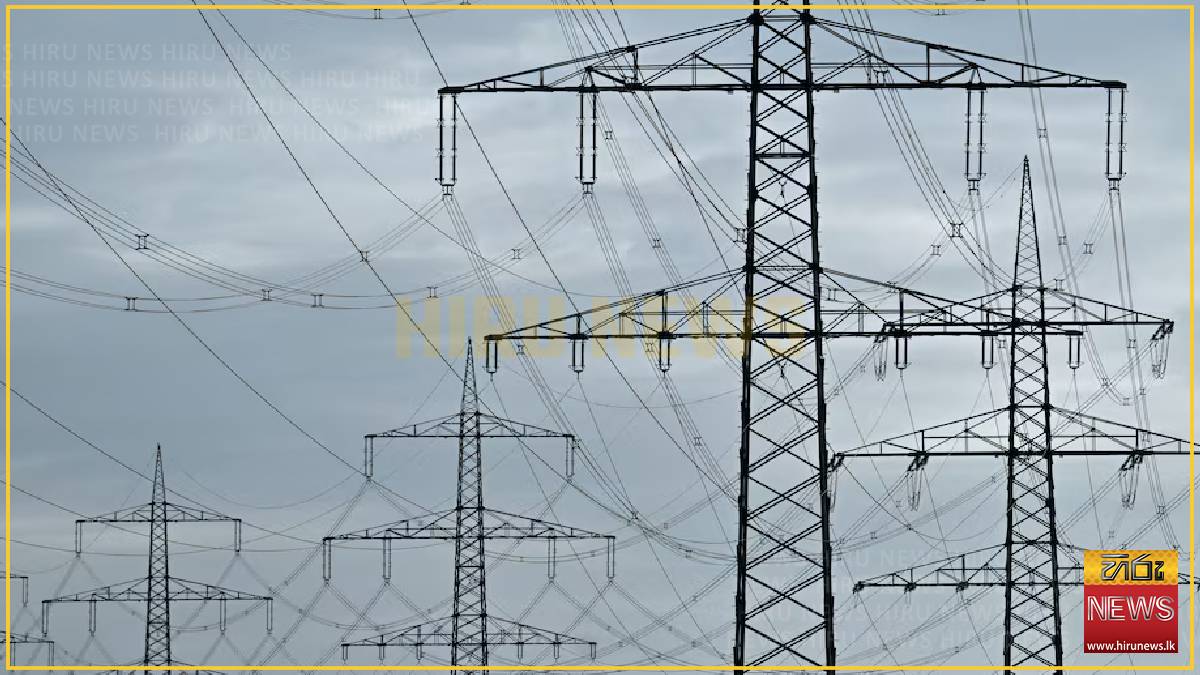
Turkey will seek to rally support for a global target for electricity to meet 35% of the world's energy demand by 2035, aiming to cut fossil fuel consumption, the president of this year's global climate summit said on Tuesday.
The aim, which is part of Turkey's preparations to host the COP31 U.N. climate conference in November, would be to shift transport, heavy industries, and home heating away from running on oil, coal and gas, to instead use technologies like electric industrial furnaces, electric cars and heat pumps.
Currently, around 20% of the world's total energy demand is met by electricity. The rest comes mostly from fossil fuels, plus around 10% produced by biofuels and waste.
Turkish environment minister Murat Kurum, who will preside over the COP31 summit in Antalya, said the aim was to protect families and businesses from volatile energy markets, and that Turkey would seek to build a coalition of countries backing the commitment.
"We will also work closely with all countries, especially with developing economies, to help facilitate access to technical assistance, capacity-building, and financial support in line with this goal,” Kurum said.
The electricity target would be voluntary, rather than a formal deal requiring support from the nearly 200 countries set to take part in COP31. Turkey will host the COP31 summit, while Australia will run the formal U.N. climate negotiations that are the centrepiece of the conference - an unusual set-up that was agreed after both countries bid to host the conference.
The Iran war's disruption to oil and gas markets is already speeding up electrification in some countries, with demand for electric vehicles surging in South Korea, Japan and Italy since the war began, as consumers seek to avoid higher prices at the petrol pump.
Electrification cuts greenhouse gas emissions by replacing direct fossil fuel use with electricity from low-carbon sources. Global electricity production is decarbonising faster than any other sector of the economy.
However, shifting to electricity is not a guarantee of cleaner energy. While countries like France and Sweden produce their electricity from emissions-free sources like nuclear and renewable energy, others like China and India generate a large chunk of their power using CO2-heavy coal.
-Reuters
The aim, which is part of Turkey's preparations to host the COP31 U.N. climate conference in November, would be to shift transport, heavy industries, and home heating away from running on oil, coal and gas, to instead use technologies like electric industrial furnaces, electric cars and heat pumps.
Currently, around 20% of the world's total energy demand is met by electricity. The rest comes mostly from fossil fuels, plus around 10% produced by biofuels and waste.
Turkish environment minister Murat Kurum, who will preside over the COP31 summit in Antalya, said the aim was to protect families and businesses from volatile energy markets, and that Turkey would seek to build a coalition of countries backing the commitment.
"We will also work closely with all countries, especially with developing economies, to help facilitate access to technical assistance, capacity-building, and financial support in line with this goal,” Kurum said.
The electricity target would be voluntary, rather than a formal deal requiring support from the nearly 200 countries set to take part in COP31. Turkey will host the COP31 summit, while Australia will run the formal U.N. climate negotiations that are the centrepiece of the conference - an unusual set-up that was agreed after both countries bid to host the conference.
The Iran war's disruption to oil and gas markets is already speeding up electrification in some countries, with demand for electric vehicles surging in South Korea, Japan and Italy since the war began, as consumers seek to avoid higher prices at the petrol pump.
Electrification cuts greenhouse gas emissions by replacing direct fossil fuel use with electricity from low-carbon sources. Global electricity production is decarbonising faster than any other sector of the economy.
However, shifting to electricity is not a guarantee of cleaner energy. While countries like France and Sweden produce their electricity from emissions-free sources like nuclear and renewable energy, others like China and India generate a large chunk of their power using CO2-heavy coal.
-Reuters
Latest News
Six countries sanction enablers of settler violence in occupied West Bank
Local
09 June 2026

SpaceX's lofty valuation set to put 'Elon premium' to test
Local
09 June 2026

Shackled, bleeding, raped: Palestinians describe abuse in Israel’s prisons
Local
09 June 2026

India raises jet fuel price for local airlines
Local
09 June 2026

Iran’s late supreme leader funeral could take place in June
Local
09 June 2026
Denmark grants cement producer $2.6bn for carbon capture and storage
Local
09 June 2026
Ukraine, Latvia sign drone deal
Local
09 June 2026

Could humanoid robots be heading for the battlefield?
Local
09 June 2026

Iran gains confidence despite Trump’s regime change push
Local
09 June 2026

10 arrested over alleged organised crime links
Local
09 June 2026