





The Executive Board of the International Monetary Fund (IMF) has completed the Article IV Consultation and the seventh and final review under the Extended Credit Facility (ECF) for Nepal, allowing the authorities to withdraw a disbursement of about US$ 42.9 million.
With this approval, total disbursements under the ECF for budget support to Nepal have reached approximately US$ 384.1 million. The Nepali authorities have also consented to the publication of the Staff Report prepared for the consultation.
The IMF said Nepal has made tangible progress in implementing reforms under the programme, which has supported economic recovery while helping preserve macroeconomic stability, build fiscal buffers, and protect vulnerable groups.
Economic activity in Nepal is projected to grow by 3% in fiscal year 2025/26, reflecting disruptions linked to protests, weaker agricultural output, subdued private investment amid pre-election uncertainty, and external spillovers from geopolitical tensions in the Middle East.
However, the IMF noted that a recent smooth transition to a single-majority government, combined with an accommodative policy stance and an expansionary fiscal policy for 2026/27, is expected to support a gradual recovery in private sector activity and strengthen growth momentum.
Inflation is projected to edge up in line with rising global oil prices, but is expected to remain close to the Nepal Rastra Bank’s 5% target on average.
The outlook remains subject to downside risks, including policy uncertainty, under-execution of public capital spending, and global economic volatility.
The IMF said structural reforms implemented under the programme have strengthened institutions and improved policymaking. Key progress includes modernisation of monetary operations, enhanced financial sector oversight, completion of a loan portfolio review, improvements in fiscal transparency and framework design, and stronger public investment management.
Governance and accountability measures have also been reinforced through upgrades to the anti-money laundering framework, legal reforms, enhanced external auditing of the Nepal Rastra Bank, and improved oversight of public enterprises.
Deputy Managing Director Bo Li, acting as Chair of the IMF Executive Board discussion, said the completion of the seventh review marks the conclusion of Nepal’s ECF-supported reform programme.
He said the programme had helped safeguard macroeconomic stability, rebuild buffers, and protect vulnerable populations, while noting that continued commitment to reforms remains essential to strengthen resilience, support recovery, and sustain inclusive growth.
Latest News
Multiple premises flagged on dengue prevention drive

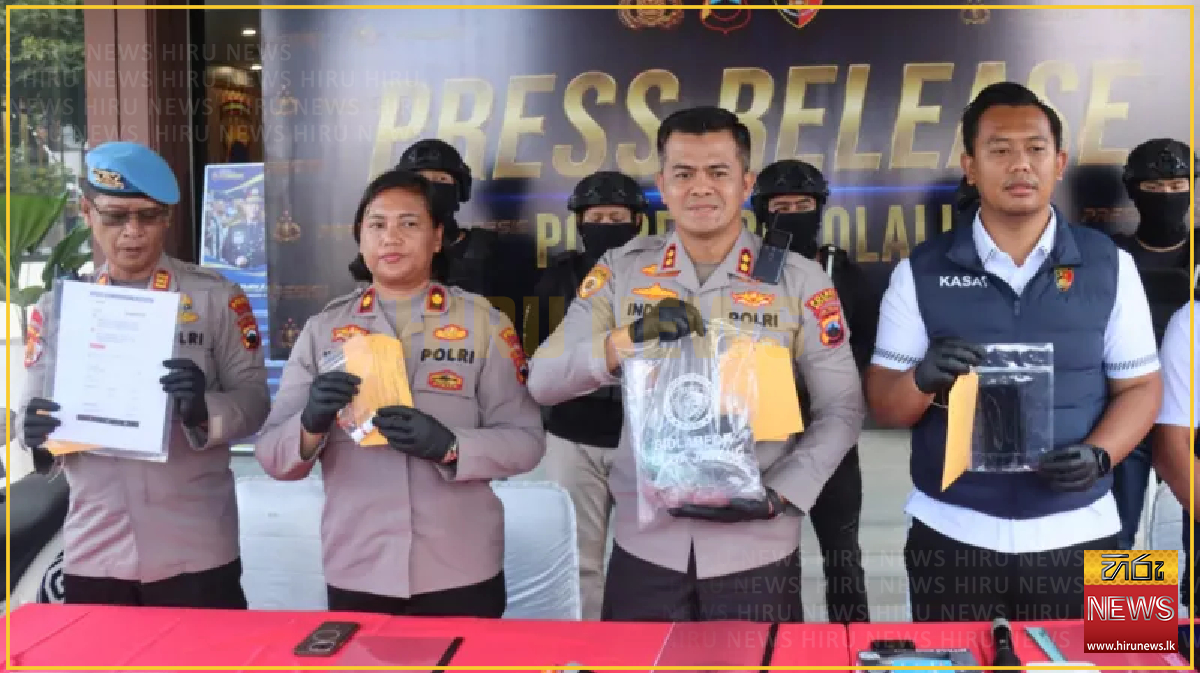
Man accused of killing mother-in-law with poison-laced satay
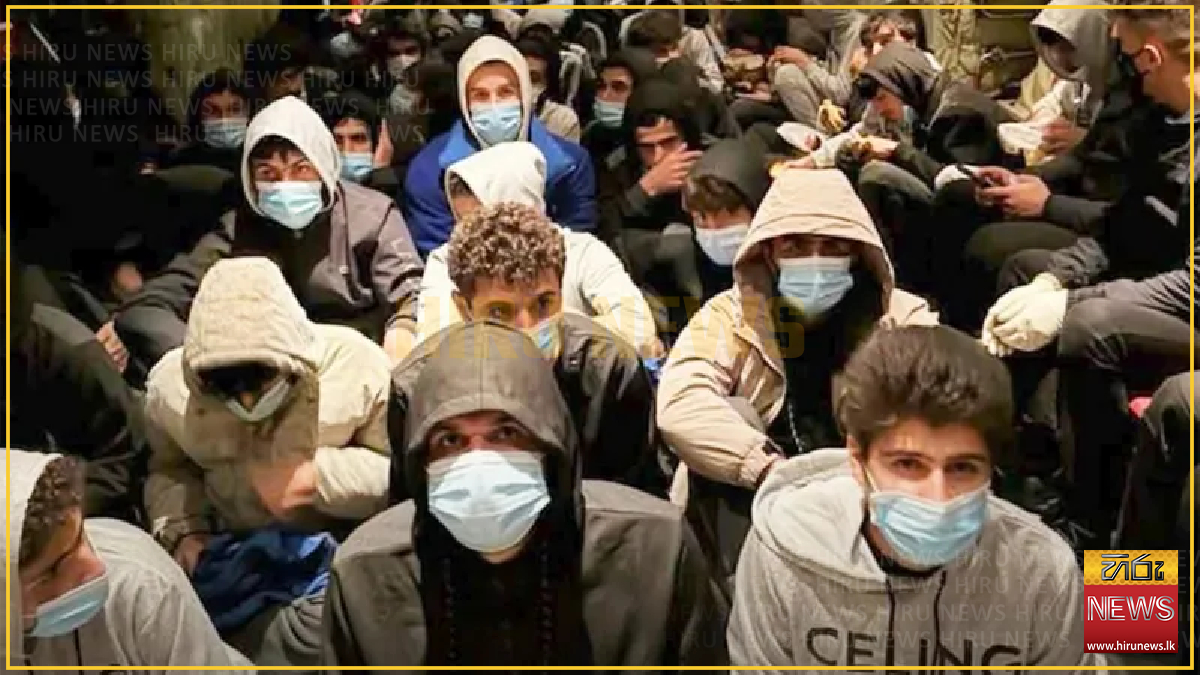
300 migrants bound for UK kidnapped and threatened with kidney removal
Iran claims US withdraws fan ticket quota for World Cup

US small business outlook weakens amid mounting inflation fears

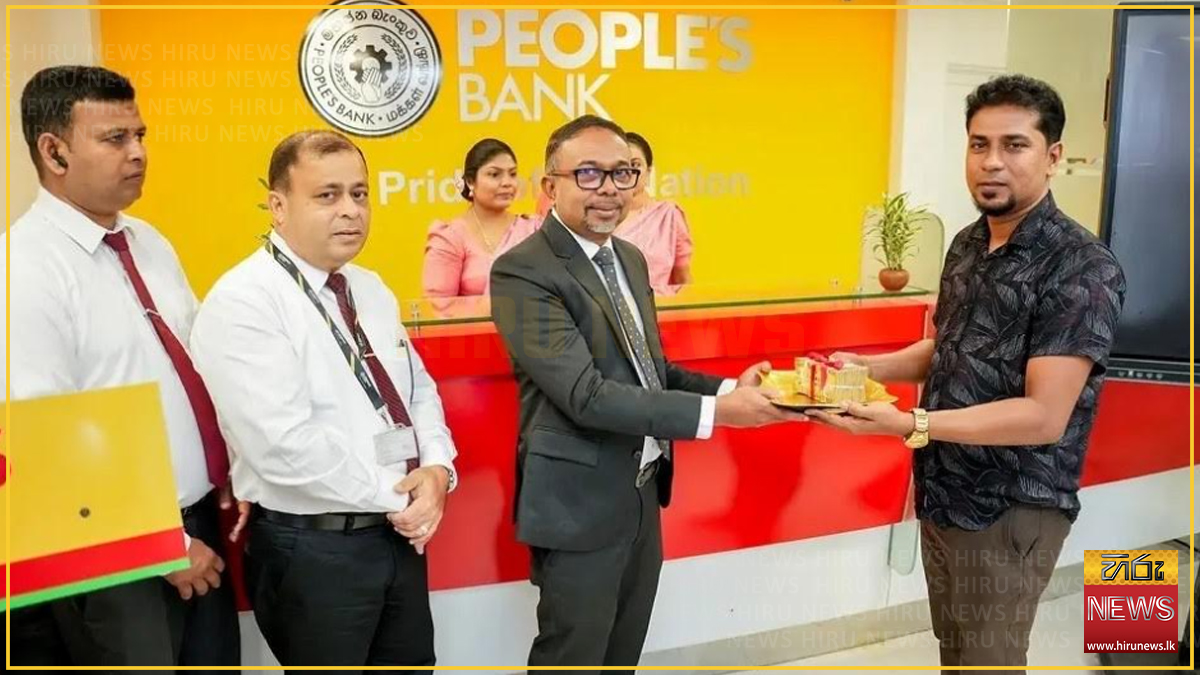
People’s Bank Rajina Junction Service Centre reopens
Officials discuss measures ahead of possible El Niño

India’s TCS chair says AI agents may equal headcount
NPP MP attends launch of new bus service

Chinese president wraps up historic North Korea visit