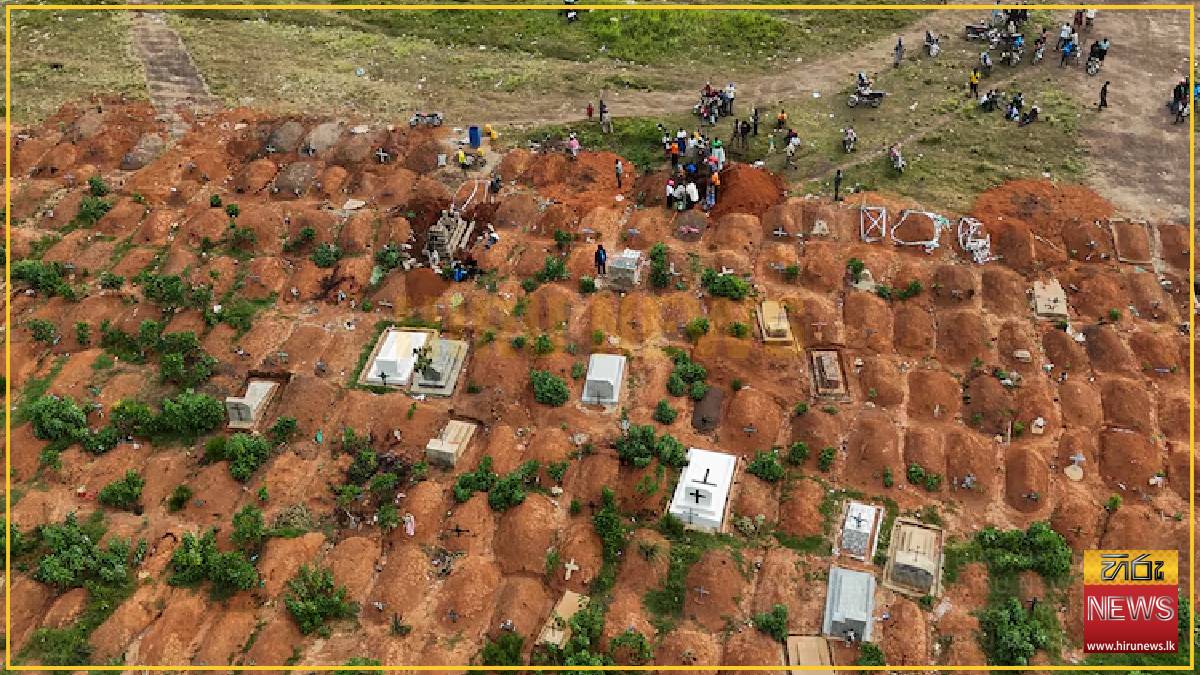
An unprecedented mortality rate in a northeastern Congo displacement camp could signal a rapid spread of Ebola based on symptoms, with at least 30 people dead since the start of May.
Exact causes remain unconfirmed because patients or relatives in the Kigonze camp in Bunia refused testing for the living or dead until Thursday, a camp spokesperson and the aid organisation Caritas state. However, the victims exhibited symptoms associated with Ebola, including headaches, fever, and vomiting, according to local sources and aid workers. These deaths raise fears that Ebola circulates undetected among eastern Congo's five million displaced people, compounding the challenges of severely limited sanitation in the camp of 15,000 residents. Ten people were buried this week alone, whereas the camp typically records only one to three deaths per month, Camp President Dz'djo Ndrutsi Etienne states.
The spike in deaths highlights increased exposure to diseases after donors, including the US under President Donald Trump, cut funding for essential water, hygiene, and sanitation (WASH) services, four aid workers state. UN data showed that funding for toilets and handwashing stations in Congo halved between 2024 and 2025 to around $38 million, leaving this year's $80 million appeal only 21 per cent funded. In Kigonze, large families share closely spaced tents and overflowing toilets force residents to empty them with bare hands.
US-funded WASH projects in the three Ebola-affected provinces faced scaling back or cancellation since last year’s cuts, four aid groups state. Mercy Corps now serves fewer than 19,000 people with no public toilets due to the funding cuts, down from serving 125,000 people in 2024. The Trump administration defended the cuts, stating a desire to focus on hyper-prioritised life-saving humanitarian assistance, whilst committing more than $375 million in direct Ebola funding.
Exact causes remain unconfirmed because patients or relatives in the Kigonze camp in Bunia refused testing for the living or dead until Thursday, a camp spokesperson and the aid organisation Caritas state. However, the victims exhibited symptoms associated with Ebola, including headaches, fever, and vomiting, according to local sources and aid workers. These deaths raise fears that Ebola circulates undetected among eastern Congo's five million displaced people, compounding the challenges of severely limited sanitation in the camp of 15,000 residents. Ten people were buried this week alone, whereas the camp typically records only one to three deaths per month, Camp President Dz'djo Ndrutsi Etienne states.
The spike in deaths highlights increased exposure to diseases after donors, including the US under President Donald Trump, cut funding for essential water, hygiene, and sanitation (WASH) services, four aid workers state. UN data showed that funding for toilets and handwashing stations in Congo halved between 2024 and 2025 to around $38 million, leaving this year's $80 million appeal only 21 per cent funded. In Kigonze, large families share closely spaced tents and overflowing toilets force residents to empty them with bare hands.
US-funded WASH projects in the three Ebola-affected provinces faced scaling back or cancellation since last year’s cuts, four aid groups state. Mercy Corps now serves fewer than 19,000 people with no public toilets due to the funding cuts, down from serving 125,000 people in 2024. The Trump administration defended the cuts, stating a desire to focus on hyper-prioritised life-saving humanitarian assistance, whilst committing more than $375 million in direct Ebola funding.