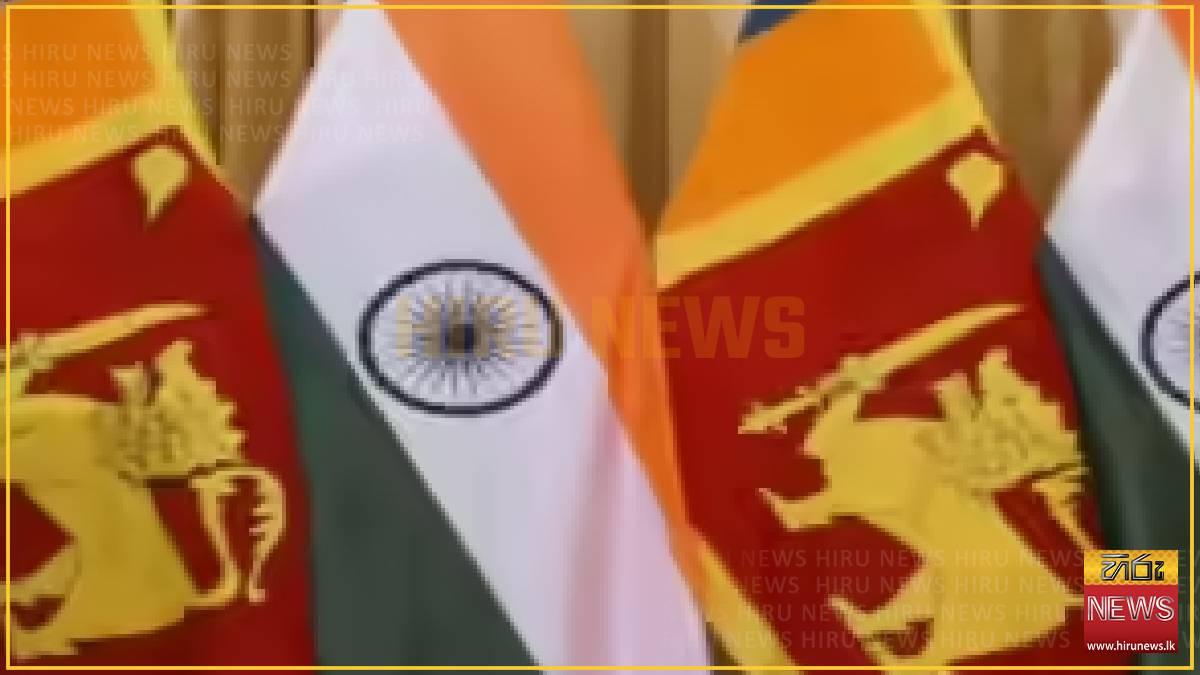
India is pushing to accelerate negotiations on modernising its nearly three-decade-old trade deal with Sri Lanka, a development that could open significant new opportunities for the island nation as it works to rebuild its economy.
New Delhi has communicated its willingness to move quickly on an enhanced agreement and is currently waiting for Colombo to complete an internal review by a newly formed task force before formal talks resume.
Those close to the discussions say any upgraded deal would deliver greater gains to Sri Lanka than to India.
The existing framework has already demonstrated its value with Sri Lankan exports to the Indian market climbing from roughly USD 50 million at the turn of the millennium to more than USD 1 billion last year.
The current agreement, which came into force in March 2000, was the first bilateral trade deal Sri Lanka ever signed. It opened up more than 4,000 product categories to the Indian market on a duty-free basis, but its scope has always been confined to physical goods. Both governments have long recognised the need to go further.
What India wants from a revised deal centres on clearing away bureaucratic and regulatory obstacles to trade, tightening the rules that determine where products legally originate, and bringing services into the formal framework without demanding that Sri Lanka throw open any particular sector.
Beyond trade mechanics, the strategic upside is considerable. An upgraded agreement could accelerate Sri Lanka's push to establish itself as a logistics and export hub connecting the Indian subcontinent with the Middle East and Africa. It also fits into broader discussions around a trilateral economic corridor involving Sri Lanka, India, and Japan, a project that one study suggests could add as much as 9.3% to Sri Lanka's GDP growth by 2030.
Getting here has not been straightforward. A comprehensive partnership deal hammered out in 2008 never came into effect after running into stiff resistance from Sri Lankan industry groups, and a subsequent attempt at a broader economic cooperation framework also ran aground politically.
Trade analysts warn that Sri Lanka has fallen behind regional peers in forging meaningful economic partnerships. They argue that if the country negotiates carefully and addresses legitimate concerns about local industry competitiveness, a revamped trade deal with India could be one of the most consequential economic decisions it makes this decade.