Old tax policies created economic distortions and fiscal imbalances, tax authorities pointed out.
Failure to expand Sri Lanka’s tax base created fiscal imbalances and economic distortions, General Treasury and Inland Revenue Department officials alleged.
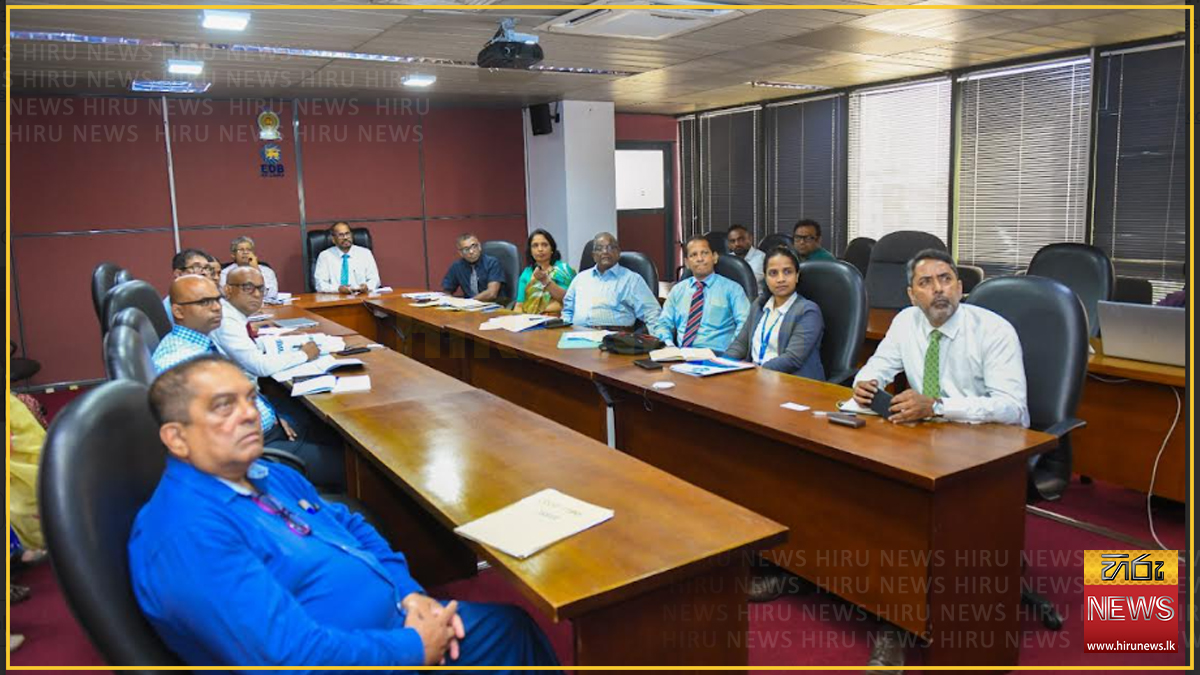
The officials stated this during an appearance before the Committee on Public Finance, chaired by Member of Parliament Dr Harsha de Silva.
Justifying the government's decision to reduce the annual Value Added Tax registration threshold from LKR 60 million to LKR 36 million, officials said this move aims to bring approximately 10,000 new businesses into the tax net. This will increase the current 35,000 VAT-registered businesses to 45,000.
Instability in tax policies hindered the achievement of fiscal sustainability, the officials pointed out, noting that when the annual VAT threshold stood at LKR 12 million in 2018, there were 28,914 VAT files. However, the tax base narrowed severely when the threshold was raised to LKR 300 million following tax concessions granted in late 2019.
Dr. Harsha de Silva questioned the compliance costs and the short timeframe provided for small-scale businesses, such as retail shops, salons, and laundries, to comply with VAT due to the new amendments.
The committee discussed that these businesses must install Point of Sale terminals within three months of the new law taking effect, costing around LKR 200,000, alongside additional costs for accounting functions. Politicians pointed out the necessity of granting a longer transition period of 18 months for businesses to prepare.
Tax authorities replied that several alternatives, including manual record-keeping methods through the RAMIS system, remain available to business owners.
Members of Parliament questioned why online gambling and betting platforms evade the tax net while the tax burden falls on traditional businesses.
Officials responded that comprehensive reforms are underway to introduce a digital VAT framework targeting foreign digital service providers and online marketplaces operating within Sri Lanka. Accordingly, they must register locally and file tax returns electronically.
The review also extensively covered the imposition of VAT on financial services, the abolition of the Simplified VAT system, and measures to prevent tax evasion.
Despite implementation challenges, the Committee on Public Finance ultimately approved the progression of the VAT Amendment Bill for long-term fiscal stability.
Failure to expand Sri Lanka’s tax base created fiscal imbalances and economic distortions, General Treasury and Inland Revenue Department officials alleged.
The officials stated this during an appearance before the Committee on Public Finance, chaired by Member of Parliament Dr Harsha de Silva.
Justifying the government's decision to reduce the annual Value Added Tax registration threshold from LKR 60 million to LKR 36 million, officials said this move aims to bring approximately 10,000 new businesses into the tax net. This will increase the current 35,000 VAT-registered businesses to 45,000.
Instability in tax policies hindered the achievement of fiscal sustainability, the officials pointed out, noting that when the annual VAT threshold stood at LKR 12 million in 2018, there were 28,914 VAT files. However, the tax base narrowed severely when the threshold was raised to LKR 300 million following tax concessions granted in late 2019.
Dr. Harsha de Silva questioned the compliance costs and the short timeframe provided for small-scale businesses, such as retail shops, salons, and laundries, to comply with VAT due to the new amendments.
The committee discussed that these businesses must install Point of Sale terminals within three months of the new law taking effect, costing around LKR 200,000, alongside additional costs for accounting functions. Politicians pointed out the necessity of granting a longer transition period of 18 months for businesses to prepare.
Tax authorities replied that several alternatives, including manual record-keeping methods through the RAMIS system, remain available to business owners.
Members of Parliament questioned why online gambling and betting platforms evade the tax net while the tax burden falls on traditional businesses.
Officials responded that comprehensive reforms are underway to introduce a digital VAT framework targeting foreign digital service providers and online marketplaces operating within Sri Lanka. Accordingly, they must register locally and file tax returns electronically.
The review also extensively covered the imposition of VAT on financial services, the abolition of the Simplified VAT system, and measures to prevent tax evasion.
Despite implementation challenges, the Committee on Public Finance ultimately approved the progression of the VAT Amendment Bill for long-term fiscal stability.