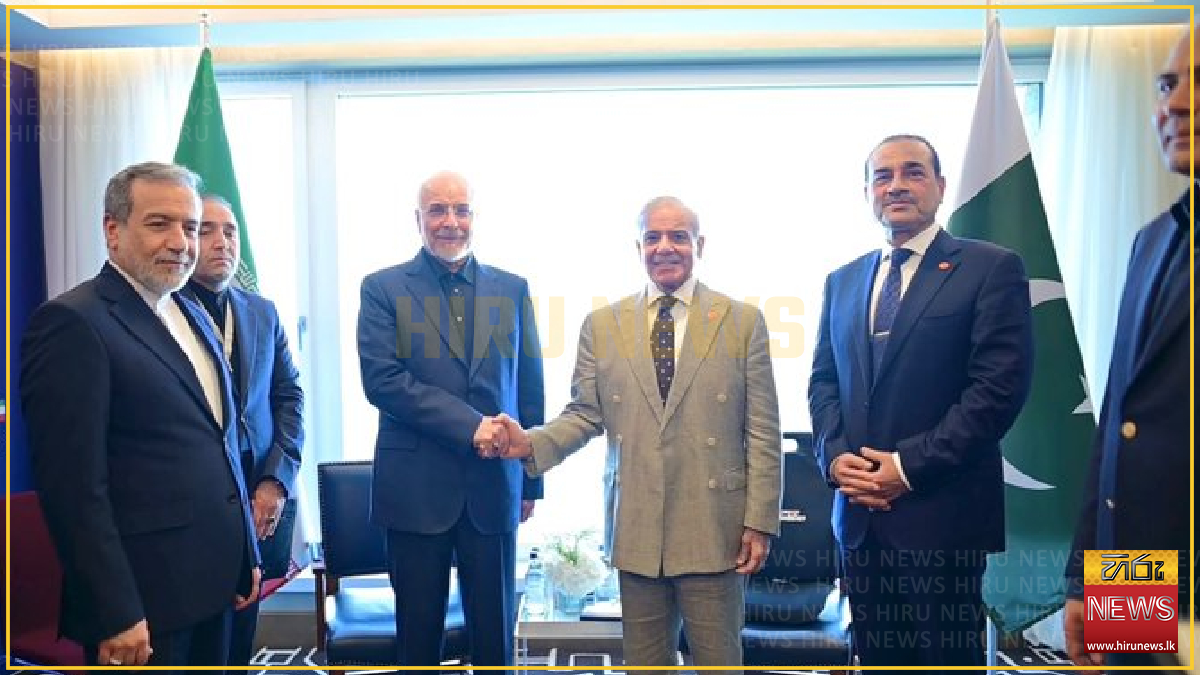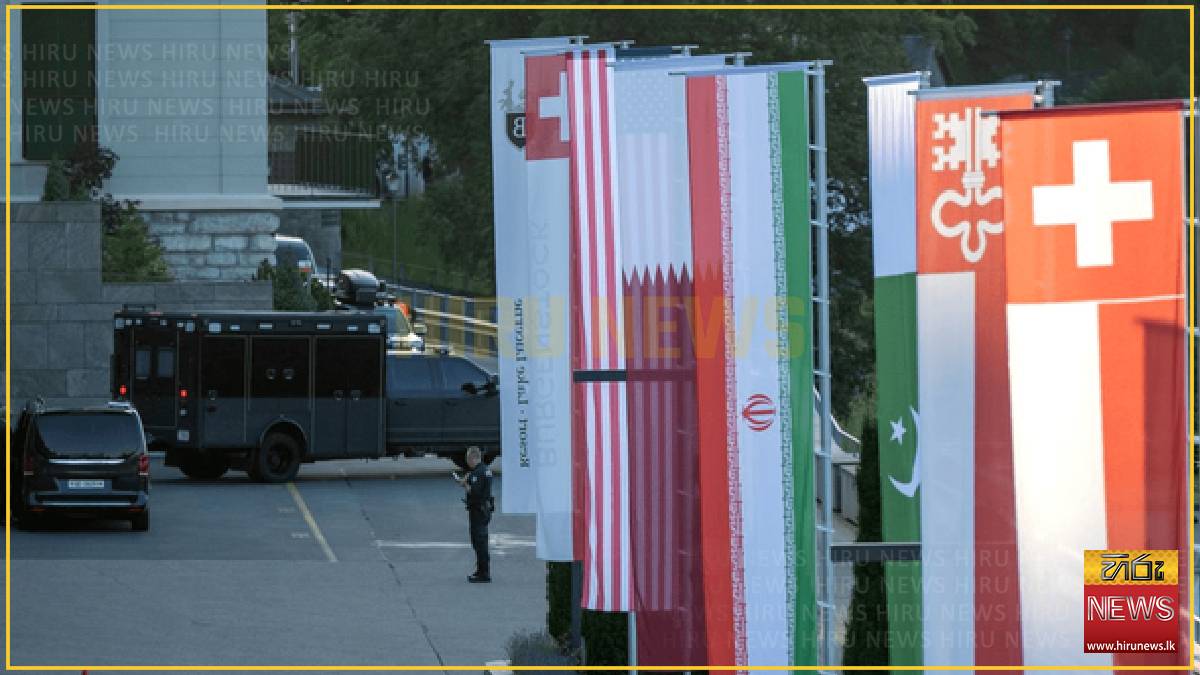
During negotiations between Iranian and American delegations in Switzerland, the US Department of the Treasury's Office of Foreign Assets Control (OFAC) issued documents granting Iran a 60-day waiver for sanctions on oil, petrochemicals, and derivatives.
This means Iran can officially sell oil to its customers and receive payments through the formal mechanisms of the Central Bank of Iran.
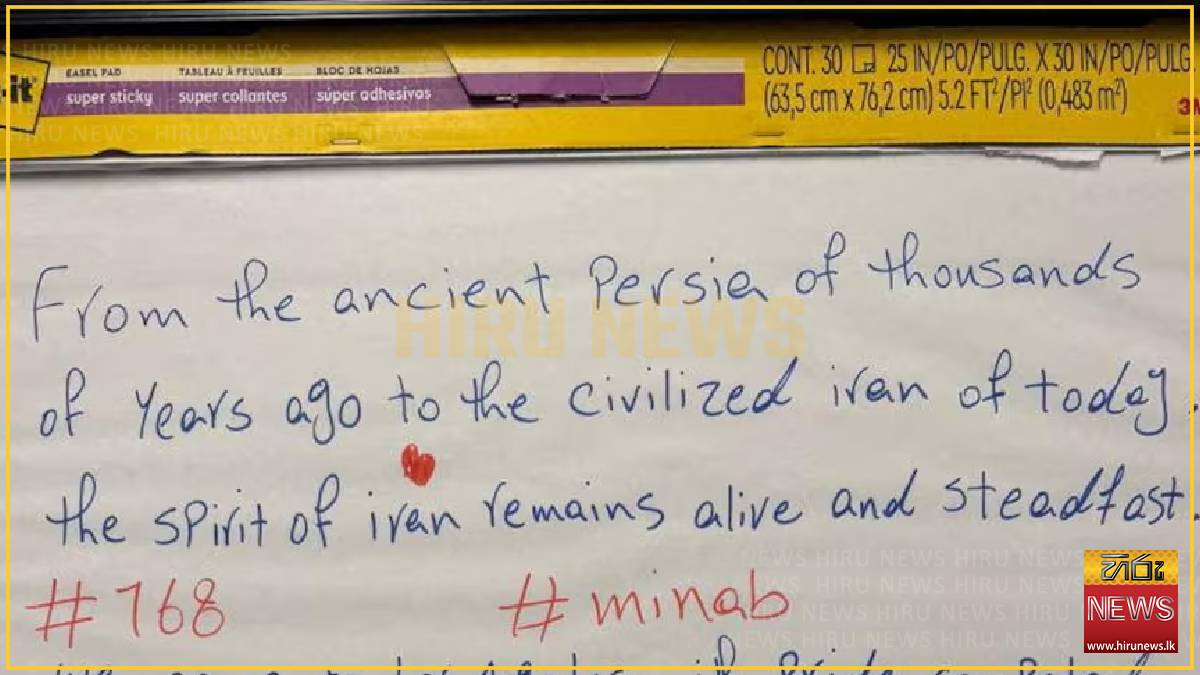
Following the first round of these talks, the Media Committee of the Iranian negotiating delegation — known as "Minab 168"—released a statement detailing key points and agreements reached during the Burgstock negotiations in Switzerland.
According to the statement, due to pressure from the Iranian negotiating team, a fragile ceasefire in Lebanon has been maintained since Saturday evening. To stabilize this, a monitoring mechanism called the "Conflict Resolution Unit" will be established with Iran's participation.
According to the committee, this mechanism formally brings the Islamic Republic of Iran into Lebanon's security equations—something the US had made significant efforts in recent months to prevent. Additionally, the Israeli occupation regime will have no role in this mechanism.
Regarding the management of the Strait of Hormuz, to guarantee its gradual reopening, it has been agreed to establish a communication line so that, in case of implementation issues, parties can contact Iran and relay their concerns. This marks the formal acknowledgment of Iran's sovereignty over the Strait of Hormuz.
The three working groups—on nuclear issues, sanctions, and monitoring — established under this statement, will begin their work following the implementation of paragraph 13 of the Memorandum of Understanding.
This implementation includes: a ceasefire across all fronts — especially in Lebanon — the start of lifting the naval blockade, the initiation of releasing Iran's frozen assets, and the issuance of waivers for sanctions on oil, petrochemicals, and derivatives.
During this round of talks, a Memorandum of Understanding on the implementation of the release of Iran's frozen assets was also signed between Iran and Qatar.
-Farsnews
This means Iran can officially sell oil to its customers and receive payments through the formal mechanisms of the Central Bank of Iran.
Following the first round of these talks, the Media Committee of the Iranian negotiating delegation — known as "Minab 168"—released a statement detailing key points and agreements reached during the Burgstock negotiations in Switzerland.
According to the statement, due to pressure from the Iranian negotiating team, a fragile ceasefire in Lebanon has been maintained since Saturday evening. To stabilize this, a monitoring mechanism called the "Conflict Resolution Unit" will be established with Iran's participation.
According to the committee, this mechanism formally brings the Islamic Republic of Iran into Lebanon's security equations—something the US had made significant efforts in recent months to prevent. Additionally, the Israeli occupation regime will have no role in this mechanism.
Regarding the management of the Strait of Hormuz, to guarantee its gradual reopening, it has been agreed to establish a communication line so that, in case of implementation issues, parties can contact Iran and relay their concerns. This marks the formal acknowledgment of Iran's sovereignty over the Strait of Hormuz.
The three working groups—on nuclear issues, sanctions, and monitoring — established under this statement, will begin their work following the implementation of paragraph 13 of the Memorandum of Understanding.
This implementation includes: a ceasefire across all fronts — especially in Lebanon — the start of lifting the naval blockade, the initiation of releasing Iran's frozen assets, and the issuance of waivers for sanctions on oil, petrochemicals, and derivatives.
During this round of talks, a Memorandum of Understanding on the implementation of the release of Iran's frozen assets was also signed between Iran and Qatar.
-Farsnews