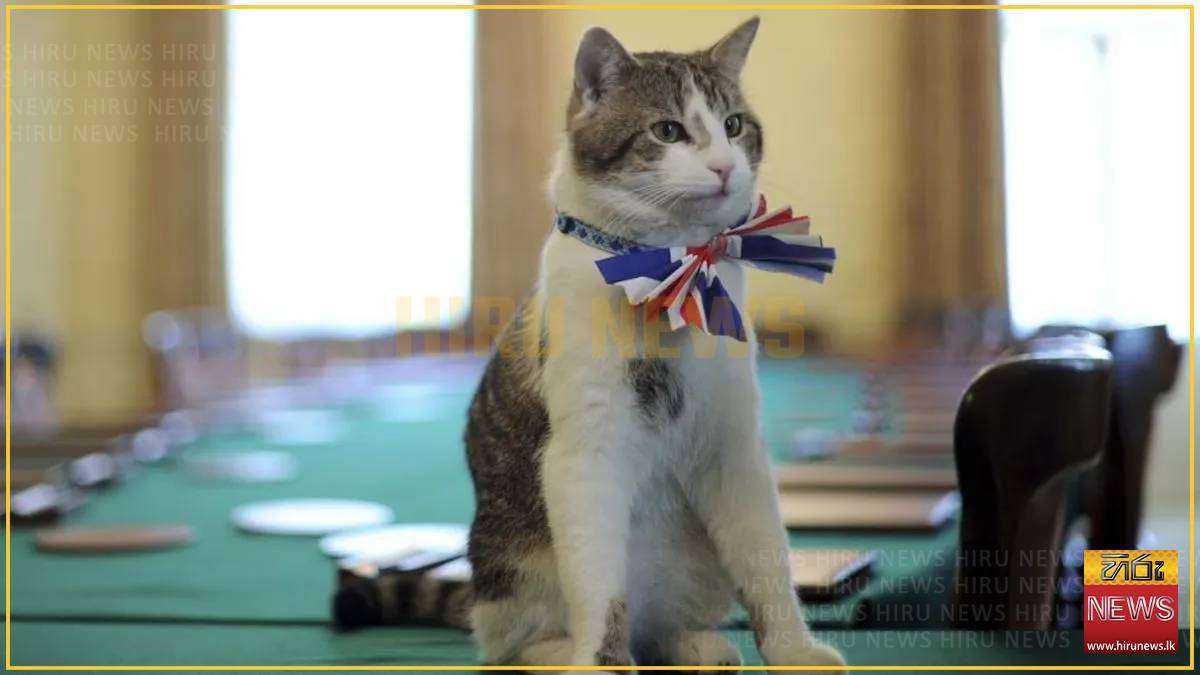
A seventh British prime minister could soon arrive at 10 Downing Street to meet Larry the cat, the long-serving Chief Mouser, as intense political uncertainty grips the United Kingdom following reports that Prime Minister Keir Starmer will step down.
The grey-and-white tabby represents an enduring symbol of stability in British politics, residing at the official prime ministerial home since 15 February 2011 after his adoption during the premiership of David Cameron.
Larry witnessed the leadership of six prime ministers over the past 15 years, frequently outlasting political upheavals and earning a reputation as a steady presence at the core of government.
The role of Larry, often referred to as Britain's first feline, involves welcoming visitors, checking security, and famously interrupting photographs of world leaders at the iconic black door of No.10.
His tranquil demeanour and longevity turned him into a widely recognised figure, providing continuity through what analysts regularly describe as increasingly volatile political cycles.
That stability faces a potential new test. Reports appearing on 22 June indicate that Prime Minister Keir Starmer faces mounting pressure to resign, with expectations growing that he could outline a plan for departure following internal party difficulties and declining support.
The position of Starmer weakened after a significant by-election victory by Labour rival Andy Burnham, clearing the way for a leadership challenge, according to media reports. Senior figures within the Labour Party are reportedly pushing for a transition, creating the possibility of an immediate change at the head of government.
Britain would experience its seventh prime minister in just over a decade if Starmer resigns, emphasizing an unprecedented level of political turnover in modern UK history.