For years, the world's swing oil producer has been Saudi Arabia. Need more crude? Riyadh opens the taps. Too much oil? Riyadh closes them.
But while everyone has been watching who controls crude production, another swing producer has quietly been taking shape—one that deals in diesel, jet fuel, and gasoline instead of crude oil.
It's India, and they’re taking charge.
When Middle Eastern refineries were damaged during the Iran/US war, when Russian diesel exports collapsed under the weight of Ukrainian drone strikes, and when Europe found itself scrambling for replacement barrels yet again, Indian refiners did a little carpe diem and began sending more cargoes to whoever was paying the highest premium.
Sounds just like a swing supplier.
India is on track to export about 1.4 million barrels per day of refined products in July, according to Kpler.
That's roughly 50% more than in May and the highest monthly export volume since September.
Those barrels aren't headed to a single destination, either.
They’re headed to the highest bidder—i.e., wherever the shortage is.
Two months ago, more than 80% of India's diesel exports went to Africa. Europe got none.
This is because Europe had largely shut the door on fuels refined from Russian crude.
Africa, meanwhile, suddenly needed replacement supplies after the Hormuz crisis scrambled Middle Eastern trade flows.
Indian cargoes simply changed direction.
Unlike many refining hubs, India doesn't depend on a single source of crude.
Russian oil now accounts for more than half of India's imports this month, according to Kpler, but refiners also buy from Iraq, Saudi Arabia, the UAE, the United States, West Africa, and Latin America.
If one supplier becomes a problem, India buys from somebody else.
Indian refineries don't particularly care where the barrel came from as long as they can make money turning it into something more valuable.
And right now, refined products are certainly valuable, because the real tightness in today's oil market is with refined products.
For starters, Russia's refining system has been hammered for months by Ukrainian drone strikes, forcing Moscow to restrict exports of diesel, gasoline, and jet fuel.
And several Middle Eastern refineries are still operating below normal rates after months of war.
Diesel inventories in Europe remain exceptionally tight. Jet fuel isn't exactly plentiful, either.
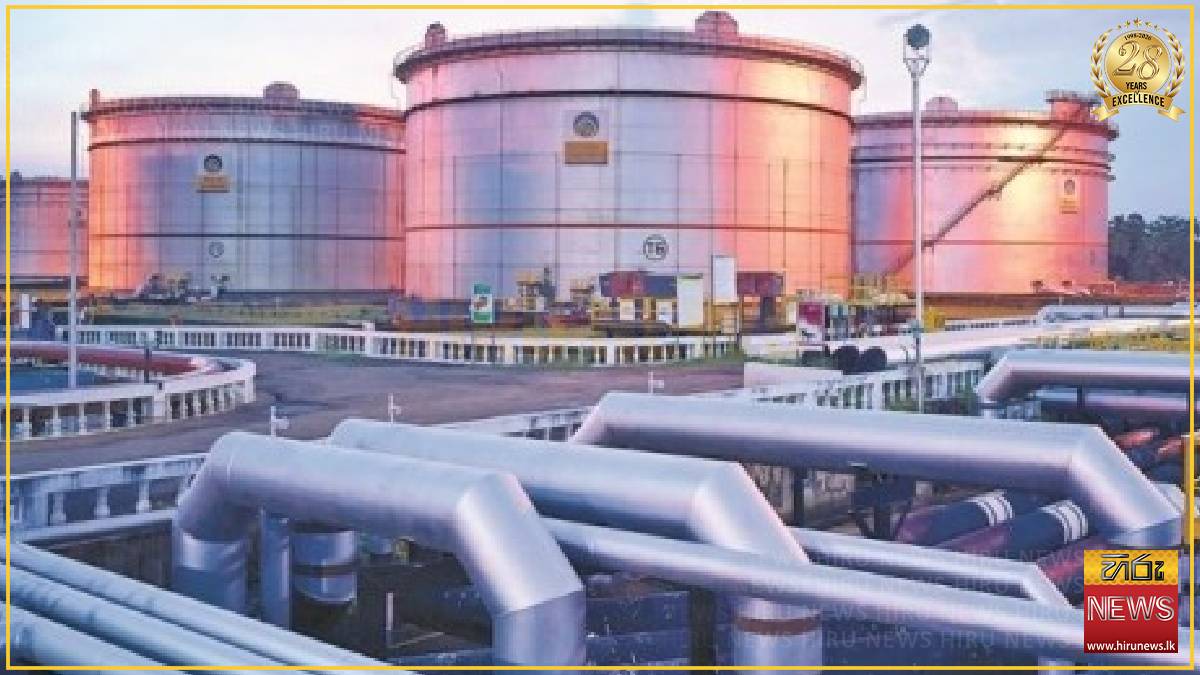
India happens to be one of the few places adding refining capacity instead of losing it.
The International Energy Agency expects India's refining capacity to grow another 15% by 2030. Investment in refining has climbed by an average of 23% over the past five years.
India imports nearly 90% of its crude oil. For most countries, that sounds like an energy security problem. But India turned it into a business model. Buy crude from whoever is offering the best economics. Turn it into higher-value products. Export those products wherever margins are strongest.
It's a strategy that looks even smarter when the global fuel market starts breaking apart. The government understands that, too.
This week, New Delhi nearly doubled export duties on diesel and jet fuel while lowering the levy on gasoline exports. If diesel and jet fuel supplies tighten further, the government wants more of those barrels available at home before they leave for overseas buyers.
That's the balancing act that comes with becoming a refining powerhouse. Export enough to capitalise on global shortages. Keep enough to avoid creating one yourself.
Saudi Arabia still decides who gets more crude. But India is increasingly deciding who gets more diesel, jet fuel, and gasoline. When the world suddenly needs another cargo of diesel, jet fuel, or gasoline, there's a good chance that cargo leaves an Indian refinery. And as refining capacity keeps growing while other regions struggle with aging plants, war damage and underinvestment, India's role in balancing the global fuel market is likely to grow right alongside it.
-Oilprice.com
But while everyone has been watching who controls crude production, another swing producer has quietly been taking shape—one that deals in diesel, jet fuel, and gasoline instead of crude oil.
It's India, and they’re taking charge.
When Middle Eastern refineries were damaged during the Iran/US war, when Russian diesel exports collapsed under the weight of Ukrainian drone strikes, and when Europe found itself scrambling for replacement barrels yet again, Indian refiners did a little carpe diem and began sending more cargoes to whoever was paying the highest premium.
Sounds just like a swing supplier.
India is on track to export about 1.4 million barrels per day of refined products in July, according to Kpler.
That's roughly 50% more than in May and the highest monthly export volume since September.
Those barrels aren't headed to a single destination, either.
They’re headed to the highest bidder—i.e., wherever the shortage is.
Two months ago, more than 80% of India's diesel exports went to Africa. Europe got none.
This is because Europe had largely shut the door on fuels refined from Russian crude.
Africa, meanwhile, suddenly needed replacement supplies after the Hormuz crisis scrambled Middle Eastern trade flows.
Indian cargoes simply changed direction.
Unlike many refining hubs, India doesn't depend on a single source of crude.
Russian oil now accounts for more than half of India's imports this month, according to Kpler, but refiners also buy from Iraq, Saudi Arabia, the UAE, the United States, West Africa, and Latin America.
If one supplier becomes a problem, India buys from somebody else.
Indian refineries don't particularly care where the barrel came from as long as they can make money turning it into something more valuable.
And right now, refined products are certainly valuable, because the real tightness in today's oil market is with refined products.
For starters, Russia's refining system has been hammered for months by Ukrainian drone strikes, forcing Moscow to restrict exports of diesel, gasoline, and jet fuel.
And several Middle Eastern refineries are still operating below normal rates after months of war.
Diesel inventories in Europe remain exceptionally tight. Jet fuel isn't exactly plentiful, either.
India happens to be one of the few places adding refining capacity instead of losing it.
The International Energy Agency expects India's refining capacity to grow another 15% by 2030. Investment in refining has climbed by an average of 23% over the past five years.
India imports nearly 90% of its crude oil. For most countries, that sounds like an energy security problem. But India turned it into a business model. Buy crude from whoever is offering the best economics. Turn it into higher-value products. Export those products wherever margins are strongest.
It's a strategy that looks even smarter when the global fuel market starts breaking apart. The government understands that, too.
This week, New Delhi nearly doubled export duties on diesel and jet fuel while lowering the levy on gasoline exports. If diesel and jet fuel supplies tighten further, the government wants more of those barrels available at home before they leave for overseas buyers.
That's the balancing act that comes with becoming a refining powerhouse. Export enough to capitalise on global shortages. Keep enough to avoid creating one yourself.
Saudi Arabia still decides who gets more crude. But India is increasingly deciding who gets more diesel, jet fuel, and gasoline. When the world suddenly needs another cargo of diesel, jet fuel, or gasoline, there's a good chance that cargo leaves an Indian refinery. And as refining capacity keeps growing while other regions struggle with aging plants, war damage and underinvestment, India's role in balancing the global fuel market is likely to grow right alongside it.
-Oilprice.com