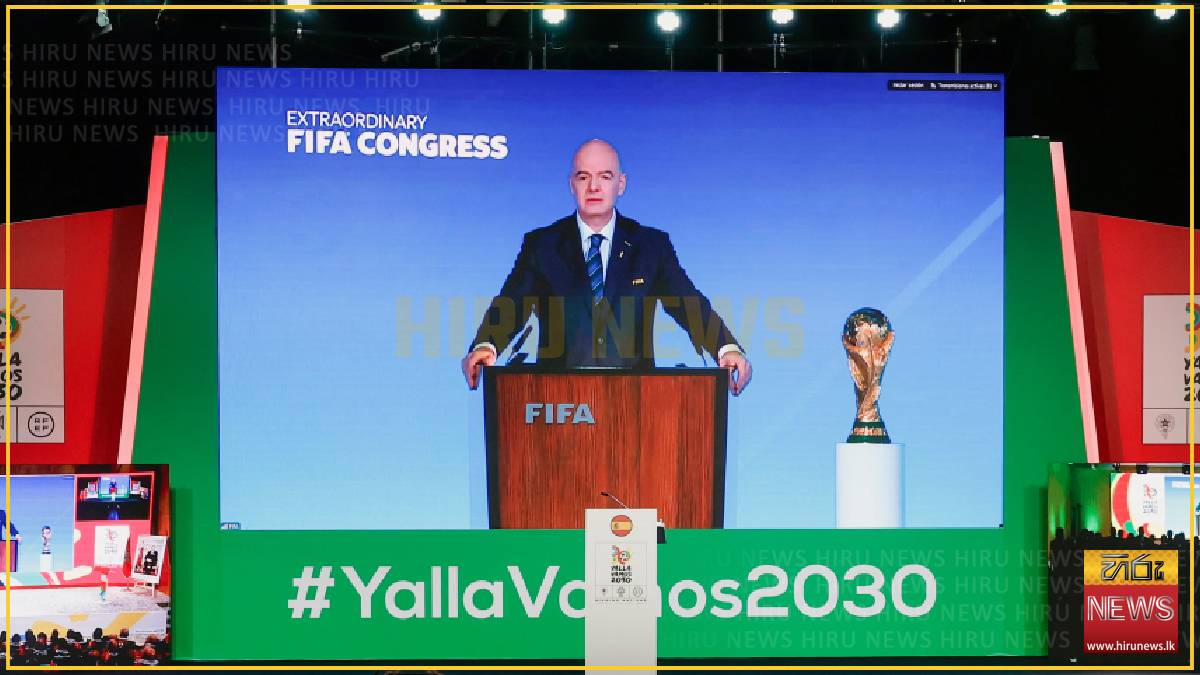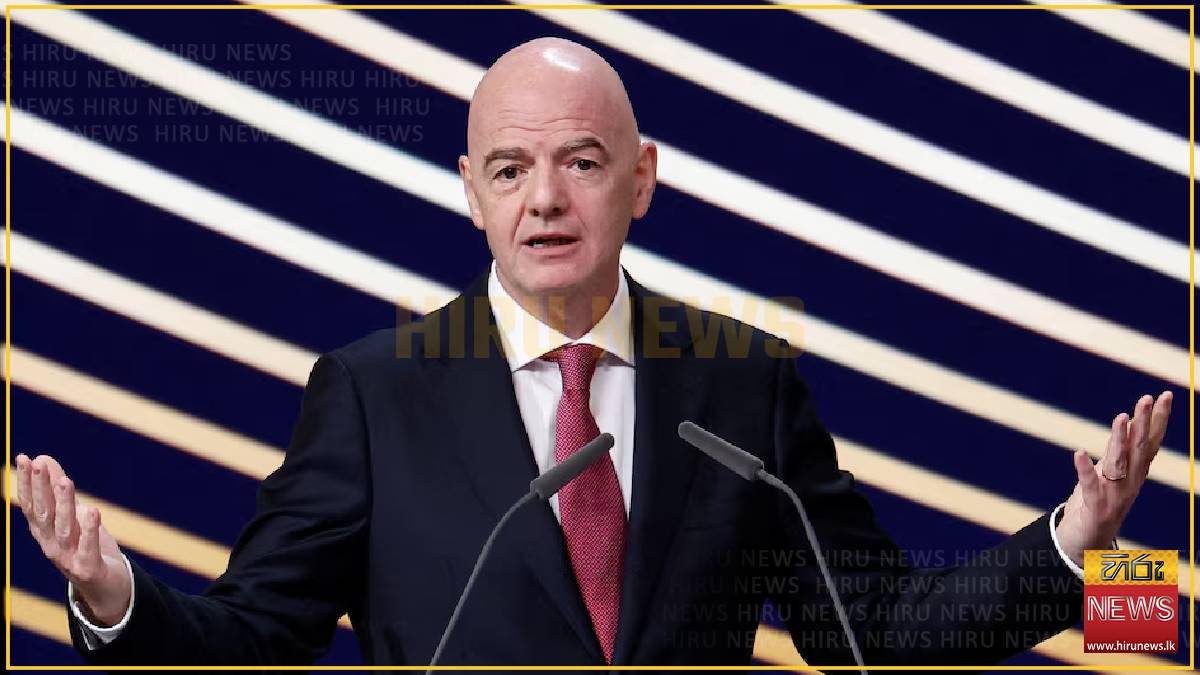
Gianni Infantino’s hopes of extending his presidency may rest less on winning back soccer's traditional powers than on calling in favours from the many small and emerging nations that rely heavily on the world governing body's largesse.
Infantino is facing the biggest crisis of his decade-long tenure after regional confederations UEFA and CONCACAF declared no confidence in his leadership following the abortive proposal to bring private equity into the World Cup.
He confirmed his intention to stand for a fourth term at next year's Congress in April but the pressure on Infantino may not wait until the election.
Wales on Monday became the first soccer federation to formally withdraw support for Infantino, while European body UEFA confirmed it had written to the 56-year-old Swiss to inform him it was weighing legal action against him regarding the proposal.
Opponents can mount a push to depose him with a vote at an Extraordinary Congress (EC) if 20% of football governing body's membership of 211 member associations request one in writing.
An EC would need to be held within three months of a request, providing time for rival candidates to emerge.
UEFA, whose 55 member nations voted to boycott all tournaments if the stake sale went ahead, alone could trigger an EC with a unanimous vote.
But getting a majority of the membership to vote Infantino out at the EC may not be an easy task.
Despite vast disparities in wealth, soccer development and influence across the footballing world, all 211 nations have an equal vote.
Rather than smoothing things over with established football giants like France, Spain and England, Infantino's best chance of clinging to power may rest with members like Bhutan and Vanuatu -- emerging nations that have never competed at a World Cup and rely overwhelmingly on football regulator to support their football programmes and participate in international events.
Members of the world football governing body have been able to claim up to $3 million for soccer development projects over the course of the 2023-26 World Cup cycle, $1 million more than the previous cycle.
The money is small beer for rich nations with professional teams but vital for football's have-nots.
The stake sale was always aimed at the latter members, and many have done well under Infantino's patronage.
VANUATU INFLUENCE
Vanuatu are ranked 160th in the world and sixth among the Oceania confederation teams but their football association head Lambert Maltock has a seat at world football regulator's highest table as one of eight vice-presidents in the body's Executive Council.
The football regulator gave the island nation of about 340,000 people a development grant of $4.15 million to help build a 6,500-seat stadium in the capital Port Vila, which was completed in 2022.
For Vanuatu's first professional player, Brian Kaltak, Infantino's backing has been a huge boost for the country and developing nations generally.
"First of all, he gave a chance for our president to be part of FIFA and then with development projects, he's been trying to grow the game -- not just Vanuatu but all third-world countries," the Perth Glory defender told Reuters on Monday.
"He's opening up more chances for a team like ours, for nations like ours to make it ... It's been a massive help."
Similar funding splashes are common across Asia, Africa, the Caribbean and the Pacific, where football regulator grants have financed training pitches, gyms and soccer programmes that national associations would otherwise struggle to finance.
For critics, however, that same funding model has reinforced a system in which the football regulator trades financial power for political influence, making it difficult to build a coalition to unseat an incumbent president.
Any campaign to remove Infantino may ultimately be a numbers game that extends far beyond Europe's traditional elite.
-Reuters
Infantino is facing the biggest crisis of his decade-long tenure after regional confederations UEFA and CONCACAF declared no confidence in his leadership following the abortive proposal to bring private equity into the World Cup.
He confirmed his intention to stand for a fourth term at next year's Congress in April but the pressure on Infantino may not wait until the election.
Wales on Monday became the first soccer federation to formally withdraw support for Infantino, while European body UEFA confirmed it had written to the 56-year-old Swiss to inform him it was weighing legal action against him regarding the proposal.
Opponents can mount a push to depose him with a vote at an Extraordinary Congress (EC) if 20% of football governing body's membership of 211 member associations request one in writing.
An EC would need to be held within three months of a request, providing time for rival candidates to emerge.
UEFA, whose 55 member nations voted to boycott all tournaments if the stake sale went ahead, alone could trigger an EC with a unanimous vote.
But getting a majority of the membership to vote Infantino out at the EC may not be an easy task.
Despite vast disparities in wealth, soccer development and influence across the footballing world, all 211 nations have an equal vote.
Rather than smoothing things over with established football giants like France, Spain and England, Infantino's best chance of clinging to power may rest with members like Bhutan and Vanuatu -- emerging nations that have never competed at a World Cup and rely overwhelmingly on football regulator to support their football programmes and participate in international events.
Members of the world football governing body have been able to claim up to $3 million for soccer development projects over the course of the 2023-26 World Cup cycle, $1 million more than the previous cycle.
The money is small beer for rich nations with professional teams but vital for football's have-nots.
The stake sale was always aimed at the latter members, and many have done well under Infantino's patronage.
VANUATU INFLUENCE
Vanuatu are ranked 160th in the world and sixth among the Oceania confederation teams but their football association head Lambert Maltock has a seat at world football regulator's highest table as one of eight vice-presidents in the body's Executive Council.
The football regulator gave the island nation of about 340,000 people a development grant of $4.15 million to help build a 6,500-seat stadium in the capital Port Vila, which was completed in 2022.
For Vanuatu's first professional player, Brian Kaltak, Infantino's backing has been a huge boost for the country and developing nations generally.
"First of all, he gave a chance for our president to be part of FIFA and then with development projects, he's been trying to grow the game -- not just Vanuatu but all third-world countries," the Perth Glory defender told Reuters on Monday.
"He's opening up more chances for a team like ours, for nations like ours to make it ... It's been a massive help."
Similar funding splashes are common across Asia, Africa, the Caribbean and the Pacific, where football regulator grants have financed training pitches, gyms and soccer programmes that national associations would otherwise struggle to finance.
For critics, however, that same funding model has reinforced a system in which the football regulator trades financial power for political influence, making it difficult to build a coalition to unseat an incumbent president.
Any campaign to remove Infantino may ultimately be a numbers game that extends far beyond Europe's traditional elite.
-Reuters