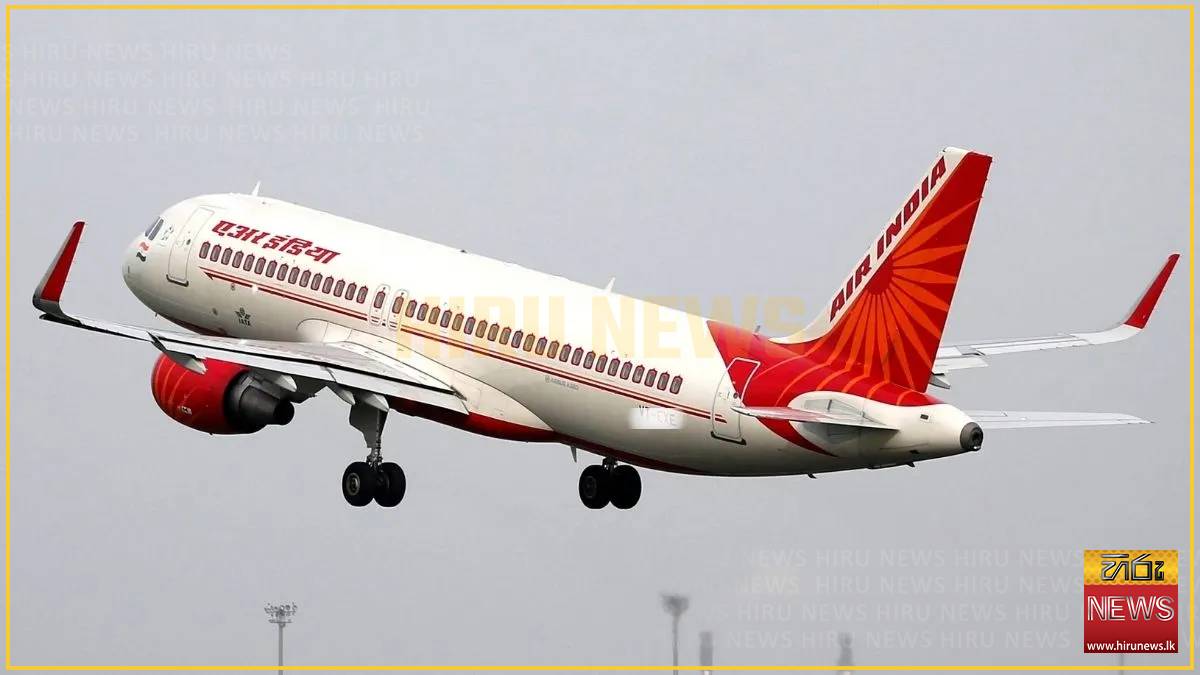
Seventeen people – 13 passengers and four crew – were injured Tuesday after an Air India Phuket-Delhi flight was hit by turbulence mid-air. The plane experienced a sudden drop in altitude – roughly 300 feet, sources said – but managed to land safely in Delhi.
The airline said that, as of 6:50 PM, five passengers have been discharged, while the remaining individuals continue to receive treatment and care. The aircraft was carrying 137 passengers and eight crew members. An official with the Directorate General of Civil Aviation, which is investigating the incident, said the pilot reported a ‘severe injury’ to one cabin crew member.
The plane was an Airbus A320 aircraft – registered as VT-EXO – and landed in Delhi at 11 AM, per flight tracking data.
It left Phuket at 8:41 AM (local time).
“Air India confirms that flight AI2379, operating from Phuket to Delhi on 4 August, experienced a brief in-flight turbulence-related event during cruise, resulting in a momentary change in altitude. The aircraft landed safely in Delhi and all passengers and crew have safely disembarked,” an airline spokesperson said.
After first being treated at the medical facility at the airport, injured passengers were subsequently taken to Fortis Hospital, Vasant Kunj, and Medanta Hospital, Gurugram.
“There have been no serious injuries as of now. A small number of passengers and crew members with minor injuries requiring medical assessment have been taken to a medical facility at the airport for precautionary examination and care by Air India’s airport team and medical personnel. The safety and well-being of our passengers and crew remain Air India’s highest priority,” they said.
“We are cooperating fully with the relevant authorities as part of the investigation.”
Sources indicated that the aircraft was flying over Odisha at an altitude of about 36,000 feet when the incident occurred.
What passengers said
A passenger spoke to news agency ANI and said: “It had been an hour-and-a-half since the flight (took off) We were sleeping… then suddenly the plane rocked for 2-3 minutes…we will 100 per cent take action against Air India.”
The daughter of one of the injured passengers said: “The aircraft seemed to be moving normally but suddenly the turbulence began. I saw my sister thrown into the air from her seat. My mother was knocked on her head. My phone fell. People sitting behind me suffered injuries. A male passenger had blood on his face. We thought we would die. It was really scary. I was shaking and crying.”
Civil Aviation Minister Ram Mohan Naidu and Aviation Secretary Samir Kumar Sinha visited Fortis Hospital to enquire about the condition of the injured passengers and assure them of all necessary assistance, the government said. Senior officers of the Ministry of Civil Aviation (MoCA) also visited Fortis and Medanta Hospitals and are closely coordinating with the hospital authorities and the airline “to ensure the best possible medical care and all necessary support to the injured”, MoCA said.
What Ministry said?
The ministry said that the aircraft involved in the incident has been moved to a hangar and its flight data recorder and cockpit voice recorder have been secured for detailed examination. “The DGCA has initiated a detailed investigation into the occurrence. The Ministry of Civil Aviation and DGCA are closely monitoring the situation. Passenger safety remains the highest priority, and all necessary measures are being taken,” MoCA said.
“In accordance with established safety and regulatory procedures, the relevant regulatory authorities have been informed. Air India is fully cooperating with the investigation, and the aircraft manufacturer has also been notified,” the airline said Tuesday evening.
In aviation, turbulence is a routine occurrence, with scores of flights experiencing it to varying degrees on a daily basis all over the world. Some of it may occur near the ground, when strong winds around the airport can cause turbulence as aircraft take off or land, or at higher altitudes, where an updraft or downward flow of air in storm clouds can trigger turbulence as planes fly through or near them. Turbulence also occurs on the edges of jet streams — strong, fast, and narrow air currents that circle the globe. While turbulence is commonplace, serious injuries caused by it are rare, and fatalities even more so.
Turbulence is an irregular motion of the air resulting from circular whirls of air, or eddies, and vertical air currents — updrafts and downdrafts. Its severity can range from a few minor bumps during the flight to the aircraft being tossed around with rapid and harsh changes in altitude, which can lead to injuries to those on board and, in extremely rare cases, result in structural damage to the plane.
What is turbulence in flights?
In aviation, turbulence is a routine occurrence with scores of flights experiencing it to varying degrees on a daily basis worldwide.
Some may be near the ground – when strong winds around the airport can affect planes as they take off or land. It can also occur at higher altitudes – when an updraft or downward flow of air in storm clouds can cause some turbulence as planes pass through.
Turbulence also occurs on the edges of jet streams – strong, fast, and narrow air currents that circle the globe.
While turbulence is commonplace, serious injuries caused by it are rare, and fatalities even more so.
-The Indian Express
The airline said that, as of 6:50 PM, five passengers have been discharged, while the remaining individuals continue to receive treatment and care. The aircraft was carrying 137 passengers and eight crew members. An official with the Directorate General of Civil Aviation, which is investigating the incident, said the pilot reported a ‘severe injury’ to one cabin crew member.
The plane was an Airbus A320 aircraft – registered as VT-EXO – and landed in Delhi at 11 AM, per flight tracking data.
It left Phuket at 8:41 AM (local time).
“Air India confirms that flight AI2379, operating from Phuket to Delhi on 4 August, experienced a brief in-flight turbulence-related event during cruise, resulting in a momentary change in altitude. The aircraft landed safely in Delhi and all passengers and crew have safely disembarked,” an airline spokesperson said.
After first being treated at the medical facility at the airport, injured passengers were subsequently taken to Fortis Hospital, Vasant Kunj, and Medanta Hospital, Gurugram.
“There have been no serious injuries as of now. A small number of passengers and crew members with minor injuries requiring medical assessment have been taken to a medical facility at the airport for precautionary examination and care by Air India’s airport team and medical personnel. The safety and well-being of our passengers and crew remain Air India’s highest priority,” they said.
“We are cooperating fully with the relevant authorities as part of the investigation.”
Sources indicated that the aircraft was flying over Odisha at an altitude of about 36,000 feet when the incident occurred.
What passengers said
A passenger spoke to news agency ANI and said: “It had been an hour-and-a-half since the flight (took off) We were sleeping… then suddenly the plane rocked for 2-3 minutes…we will 100 per cent take action against Air India.”
The daughter of one of the injured passengers said: “The aircraft seemed to be moving normally but suddenly the turbulence began. I saw my sister thrown into the air from her seat. My mother was knocked on her head. My phone fell. People sitting behind me suffered injuries. A male passenger had blood on his face. We thought we would die. It was really scary. I was shaking and crying.”
Civil Aviation Minister Ram Mohan Naidu and Aviation Secretary Samir Kumar Sinha visited Fortis Hospital to enquire about the condition of the injured passengers and assure them of all necessary assistance, the government said. Senior officers of the Ministry of Civil Aviation (MoCA) also visited Fortis and Medanta Hospitals and are closely coordinating with the hospital authorities and the airline “to ensure the best possible medical care and all necessary support to the injured”, MoCA said.
What Ministry said?
The ministry said that the aircraft involved in the incident has been moved to a hangar and its flight data recorder and cockpit voice recorder have been secured for detailed examination. “The DGCA has initiated a detailed investigation into the occurrence. The Ministry of Civil Aviation and DGCA are closely monitoring the situation. Passenger safety remains the highest priority, and all necessary measures are being taken,” MoCA said.
“In accordance with established safety and regulatory procedures, the relevant regulatory authorities have been informed. Air India is fully cooperating with the investigation, and the aircraft manufacturer has also been notified,” the airline said Tuesday evening.
In aviation, turbulence is a routine occurrence, with scores of flights experiencing it to varying degrees on a daily basis all over the world. Some of it may occur near the ground, when strong winds around the airport can cause turbulence as aircraft take off or land, or at higher altitudes, where an updraft or downward flow of air in storm clouds can trigger turbulence as planes fly through or near them. Turbulence also occurs on the edges of jet streams — strong, fast, and narrow air currents that circle the globe. While turbulence is commonplace, serious injuries caused by it are rare, and fatalities even more so.
Turbulence is an irregular motion of the air resulting from circular whirls of air, or eddies, and vertical air currents — updrafts and downdrafts. Its severity can range from a few minor bumps during the flight to the aircraft being tossed around with rapid and harsh changes in altitude, which can lead to injuries to those on board and, in extremely rare cases, result in structural damage to the plane.
What is turbulence in flights?
In aviation, turbulence is a routine occurrence with scores of flights experiencing it to varying degrees on a daily basis worldwide.
Some may be near the ground – when strong winds around the airport can affect planes as they take off or land. It can also occur at higher altitudes – when an updraft or downward flow of air in storm clouds can cause some turbulence as planes pass through.
Turbulence also occurs on the edges of jet streams – strong, fast, and narrow air currents that circle the globe.
While turbulence is commonplace, serious injuries caused by it are rare, and fatalities even more so.
-The Indian Express