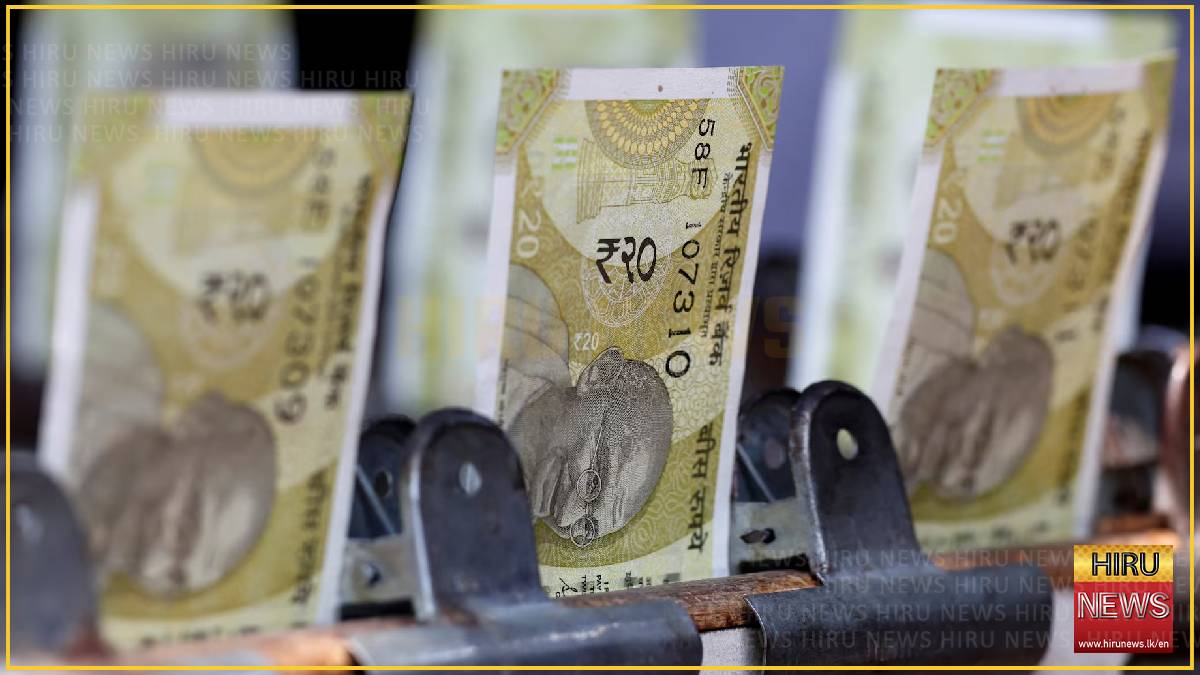
The Indian rupee is expected to remain within a narrow range this week, as strong capital inflows bolstered by policy measures help mitigate volatility, whereas government bonds could encounter pressure as markets monitor movement in crude oil prices and United States Treasury yields.
exact closing level for the rupee on Friday stood at 95.6950, marking a weekly decline of roughly 0.3 per cent while avoiding larger losses due to continuous interventions from the Reserve Bank of India.
Over the weekend, the Reserve Bank of India stated that it has collected nearly 73 billion US dollars through initiatives introduced in June to bolster India's balance of payments, pushing the country's foreign exchange reserves close to their peak level.
Financial analysts and bankers note that these inflows have enhanced the central bank's ability to stabilise the currency, a trend expected to continue over the coming days.
FX advisory firm IFA Global noted that while market participants are inclined towards long dollar positions, caution remains over potential Reserve Bank of India intervention near the 95.80 mark, leading to muted interbank activity.
Month-end commitments, including derivative settlements and corporate payments, may put pressure on the rupee this week, alongside high oil prices driven by the ongoing conflict involving Iran.
Six months after the United States and Israel initiated airstrikes on Iran on 28 February, active military engagements have paused, though neither side has taken formal steps towards peace negotiations.
Decisions from upcoming central bank policy reviews in South Korea, the Philippines, and Thailand will also be monitored as monetary authorities manage inflation risks and broader market instability connected to the Middle East situation.
Government bonds are anticipated to trade within a tight bracket following the benchmark bond yield's steepest weekly increase of the current financial year, which saw it breach the 6.85 per cent threshold.
The 10-year yield finished at 6.8495 per cent on Friday, reflecting a nine basis point increase—the largest rise since early April—after declining by a total of seven basis points over the prior two weeks.
Market traders anticipate the benchmark yield will fluctuate between 6.80 per cent and 6.89 per cent, with trading paused for a holiday on Wednesday ahead of statements from Federal Reserve officials later in the week.
Minutes from the latest Reserve Bank of India meeting published on Wednesday indicated that officials remain open to rate increases should inflationary pressures broaden.
Reserve Bank of India Governor Sanjay Malhotra indicated that clear evidence of broader inflation could justify policy tightening, while Deputy Governor Poonam Gupta suggested conditions for a rate increase might arise within the year.
The benchmark Brent crude price rose nearly 7 per cent last week to trade around 94 US dollars per barrel, creating further concern for India's inflation trajectory.
Attention will also stay on foreign institutional investors following India's exclusion from a major global index on 31 July.
Shamaila Khan, head of fixed income for emerging markets and Asia-Pacific at UBS Asset Management, noted that the delay does not alter India's long-term economic outlook, adding that strong inflows into non-resident schemes should offer near-term support.
exact closing level for the rupee on Friday stood at 95.6950, marking a weekly decline of roughly 0.3 per cent while avoiding larger losses due to continuous interventions from the Reserve Bank of India.
Over the weekend, the Reserve Bank of India stated that it has collected nearly 73 billion US dollars through initiatives introduced in June to bolster India's balance of payments, pushing the country's foreign exchange reserves close to their peak level.
Financial analysts and bankers note that these inflows have enhanced the central bank's ability to stabilise the currency, a trend expected to continue over the coming days.
FX advisory firm IFA Global noted that while market participants are inclined towards long dollar positions, caution remains over potential Reserve Bank of India intervention near the 95.80 mark, leading to muted interbank activity.
Month-end commitments, including derivative settlements and corporate payments, may put pressure on the rupee this week, alongside high oil prices driven by the ongoing conflict involving Iran.
Six months after the United States and Israel initiated airstrikes on Iran on 28 February, active military engagements have paused, though neither side has taken formal steps towards peace negotiations.
Decisions from upcoming central bank policy reviews in South Korea, the Philippines, and Thailand will also be monitored as monetary authorities manage inflation risks and broader market instability connected to the Middle East situation.
Government bonds are anticipated to trade within a tight bracket following the benchmark bond yield's steepest weekly increase of the current financial year, which saw it breach the 6.85 per cent threshold.
The 10-year yield finished at 6.8495 per cent on Friday, reflecting a nine basis point increase—the largest rise since early April—after declining by a total of seven basis points over the prior two weeks.
Market traders anticipate the benchmark yield will fluctuate between 6.80 per cent and 6.89 per cent, with trading paused for a holiday on Wednesday ahead of statements from Federal Reserve officials later in the week.
Minutes from the latest Reserve Bank of India meeting published on Wednesday indicated that officials remain open to rate increases should inflationary pressures broaden.
Reserve Bank of India Governor Sanjay Malhotra indicated that clear evidence of broader inflation could justify policy tightening, while Deputy Governor Poonam Gupta suggested conditions for a rate increase might arise within the year.
The benchmark Brent crude price rose nearly 7 per cent last week to trade around 94 US dollars per barrel, creating further concern for India's inflation trajectory.
Attention will also stay on foreign institutional investors following India's exclusion from a major global index on 31 July.
Shamaila Khan, head of fixed income for emerging markets and Asia-Pacific at UBS Asset Management, noted that the delay does not alter India's long-term economic outlook, adding that strong inflows into non-resident schemes should offer near-term support.