A powerful flash flood triggered by a sudden natural disaster near the Nepal-China border has swept through mountain villages, killing at least 31 people in Nepal and leaving hundreds of tourists and locals unaccounted for. The devastation has also spilled into Tibet, where Chinese state media warning of major casualties has prompted high-level emergency responses from both nations.
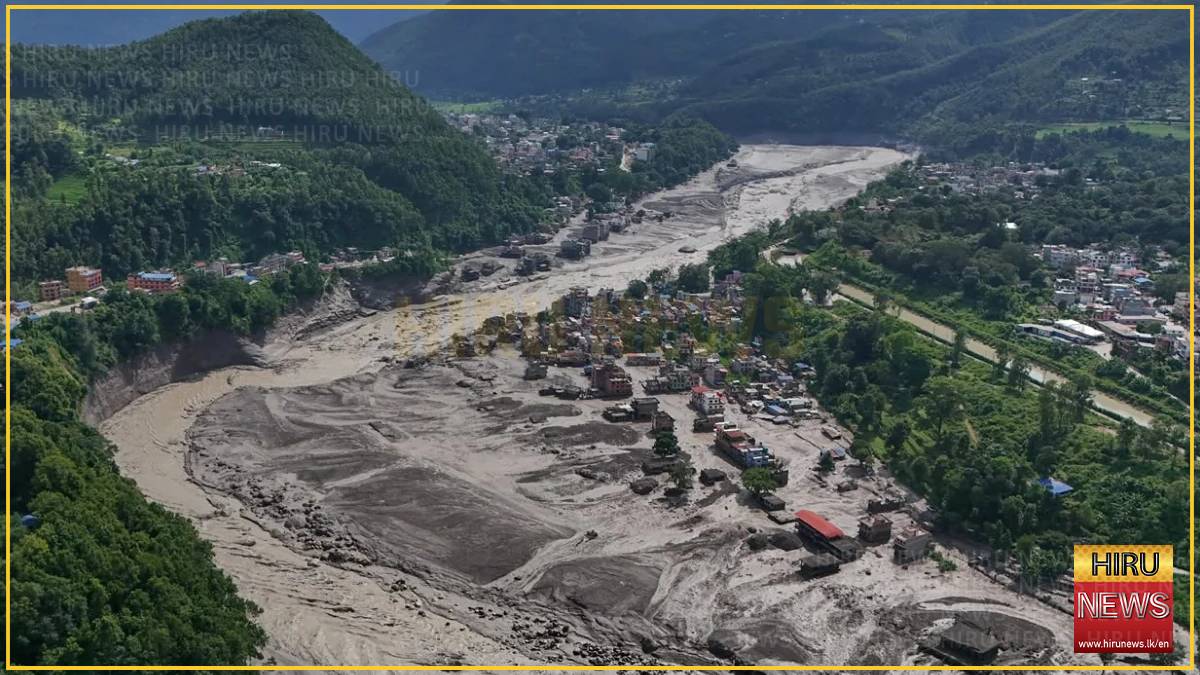
The disaster began Wednesday morning around 8:37 AM local time when a 4.4-magnitude earthquake struck the Himalayan region. According to Nepalese Foreign Minister Shishir Khanal, the tremor triggered a massive landslide that dammed the Bhote Koshi River system. Disasters experts at the International Centre for Integrated Mountain Development noted that an ice-rock avalanche from a glacier likely blocked the Lhende Khola tributary, causing a catastrophic buildup of water that eventually burst through downstream.
Witnesses and emergency responders described terrifying scenes as a wall of dark, debris-laden water surged through the gorges. Aman Budathoki, a helicopter pilot flying near the border shortly after the outburst, estimated the floodwaters created waves five to six metres high.
"At first instance, it looked as if it was a landslide... within seconds, we could see water waves as high as five to six meters," Budathoki said. "We started circling around villages there and could see big trees along with a few vehicles being swept away. It was a very scary situation."
CCTV and social media footage captured torrents of mud and water crashing through the border area, tearing down multi-storey buildings and submerging roads in Nepal's Rasuwa and Nuwakot districts.
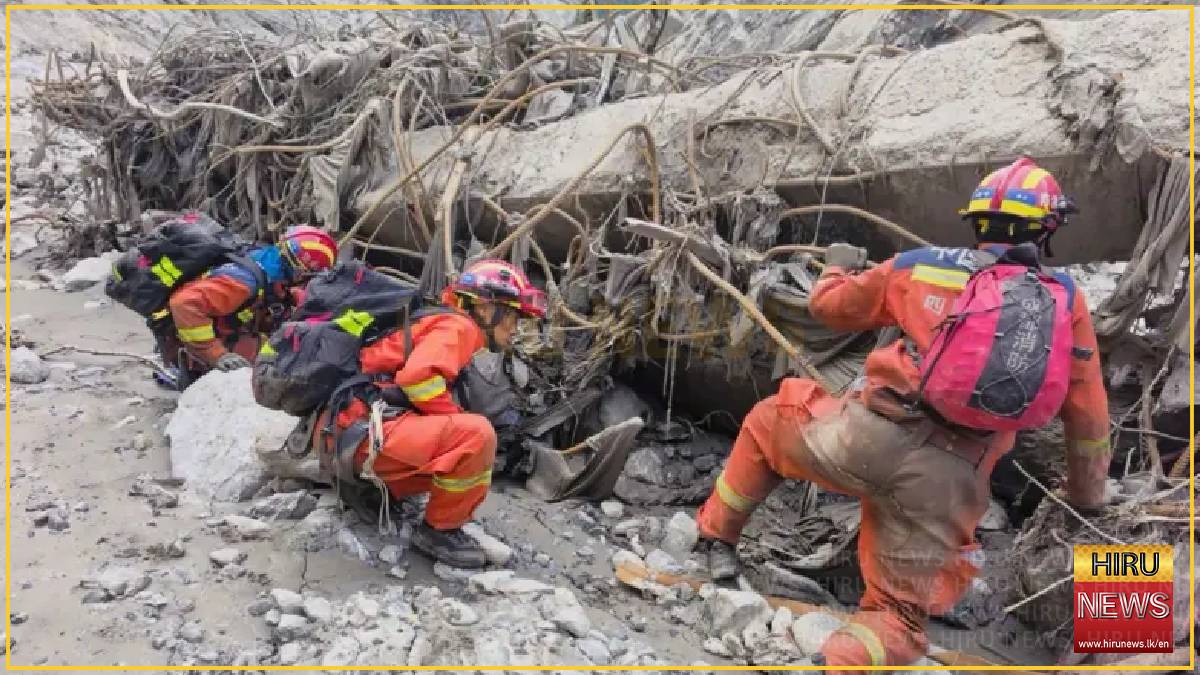
Search and rescue operations are currently underway, though responders face extreme terrain challenges. Nepal's military and police forces have deployed helicopters to winch stranded survivors from rooftops and muddy outcrops. However, army officials reported that high water levels and severe weather initially prevented aircraft from landing in heavily hit border settlements like Syapru Besi and Timure.
The human toll is expected to rise sharply as authorities assess the damage. Among those unaccounted for are 60 workers from the Langtang Khola Hydroelectric Project who were trapped when floodwaters struck an under-construction concrete tunnel. Nepal's tourism board also reported that nearly 400 travellers, including roughly 290 foreign nationals from countries such as India, Australia, the UK, South Africa, the Netherlands, and Malaysia, remain missing in the popular trekking zone.
Across the border in Tibet's Gyirong county, the flood and accompanying mudslides slammed into a crucial trade port, causing severe infrastructure destruction alongside power and communication blackouts. Chinese President Xi Jinping called for an "all-out" search and rescue effort to address what state media warned could be major casualties. Beijing has dispatched emergency response teams, drones, and tens of thousands of relief supplies to the high-altitude border zone.
The disaster represents an early test for Nepal's Prime Minister Balen Shah, the 36-year-old former rapper who took office five months ago. Facing a severe national emergency, Shah's administration will need to coordinate extensive relief operations while managing diplomatic cooperation with both Beijing and New Delhi.
International support has already begun to mobilize. Indian Prime Minister Narendra Modi offered full humanitarian assistance, while the US Embassy in Nepal issued safety advisories for foreign citizens in the region. The Red Cross has activated emergency response units and deployed teams with relief supplies to assist the thousands of displaced residents.