



Share Post


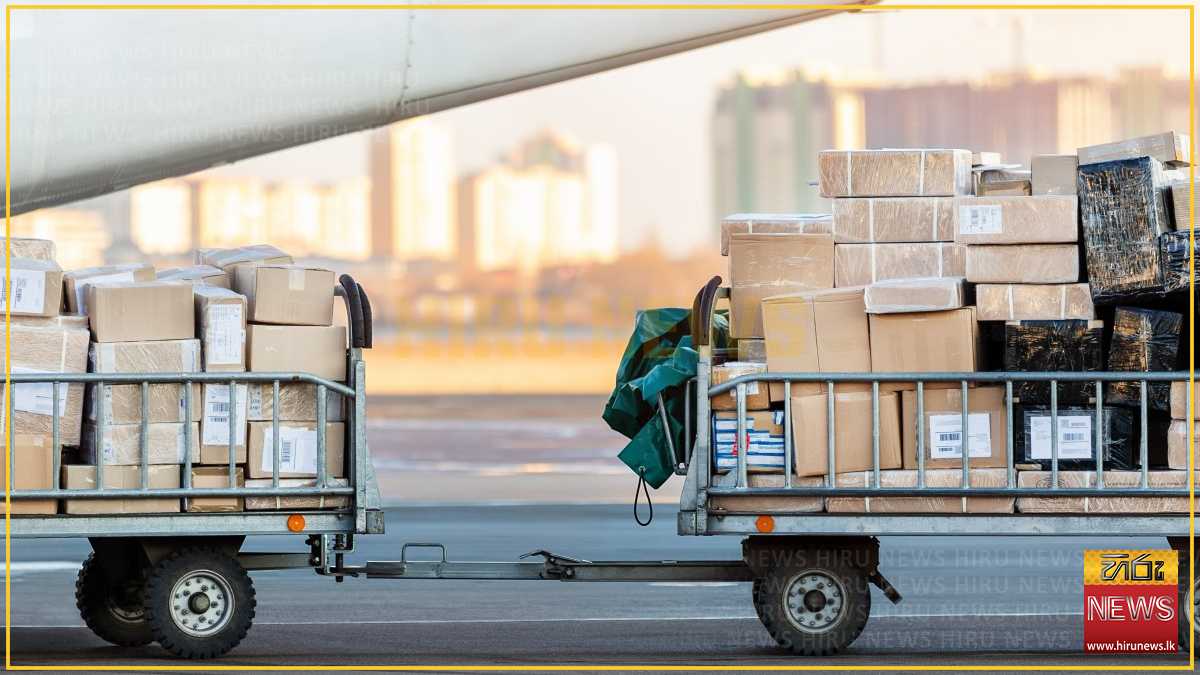
Sri Lanka Customs started drafting new regulations to oversee the clearance of e-commerce goods, which will eventually be gazetted by the Minister of Finance.
Customs Media Spokesperson Chandana Punchihewa confirmed that the proposed rules will define how e-commerce items are declared and taxed. The regulations aim to clarify whether goods require a standard Customs declaration or a simplified document and how taxes will be applied. This drafting follows talks held last year with major e-commerce platforms, which expressed a willingness to comply with clear and straightforward rules. While a specific timeline for completion remains unavailable, the process remains ongoing.
Customs Director General Seevali Arukgoda highlighted the necessity of streamlining the clearance process for these imports. He noted that the de minimis principle no longer applies to e-commerce goods, with no plans for its return. Since the shift to taxing individual consignments instead of bulk shipments, revenue from e-commerce imports increased threefold. Arukgoda also clarified that no distinction will be made between B2B and B2C e-commerce imports, as these channels are not meant for commercial-scale volumes. Large-scale imports via such platforms will continue to be treated as standard commercial shipments.
Customs Media Spokesperson Chandana Punchihewa confirmed that the proposed rules will define how e-commerce items are declared and taxed. The regulations aim to clarify whether goods require a standard Customs declaration or a simplified document and how taxes will be applied. This drafting follows talks held last year with major e-commerce platforms, which expressed a willingness to comply with clear and straightforward rules. While a specific timeline for completion remains unavailable, the process remains ongoing.
Customs Director General Seevali Arukgoda highlighted the necessity of streamlining the clearance process for these imports. He noted that the de minimis principle no longer applies to e-commerce goods, with no plans for its return. Since the shift to taxing individual consignments instead of bulk shipments, revenue from e-commerce imports increased threefold. Arukgoda also clarified that no distinction will be made between B2B and B2C e-commerce imports, as these channels are not meant for commercial-scale volumes. Large-scale imports via such platforms will continue to be treated as standard commercial shipments.
Latest News
Giant EVs are damaging China’s roads without paying for repairs
Local
24 July 2026

'Stuart Fails' expands The Big Bang Theory universe
Local
24 July 2026

Trump imposes new 12.5% tariff on Singapore on alleged forced labour ban violation
Local
24 July 2026

Kevin Hart’s '72 Hours' misses the mark
Local
24 July 2026

Warrant issued for MP Ramanathan Archchuna
Local
24 July 2026

Train services to Talaimannar resume
Local
24 July 2026

“The Morning Show” to end after season 5
Local
24 July 2026

Vietnam proposes under-16 social media ban
Local
24 July 2026

Johnny Depp debuts Scrooge look at Comic-Con
Local
24 July 2026

June tea exports decline amid stronger earnings
Local
24 July 2026