




Share Post


Around 100,000 families benefiting from the Aswesuma welfare scheme began earning stable incomes via alternative support initiatives, as the Government intends to phase out welfare payments for many recipients between 2027 and 2029. Speaking to local media, Deputy Minister of Rural Development, Social Security, and Community Empowerment Wasantha Piyathissa stated that while efforts continue to reduce long-term dependency, many families currently lack the financial stability required to end assistance. He noted that although specific exit timeframes exist under the agreement with the International Monetary Fund, current income levels for many remain insufficient to justify stopping payments.
The current administration took over the programme during its mid-stages and introduced adjustments through the May 2025 Budget. Progress includes approximately 100,000 families securing substantial earnings through diverse support programmes, including grants, self-employment assistance, small-scale poultry farming, and Japanese language training for overseas job opportunities. Beneficiaries also receive referrals to various vocational training centres to bolster their financial independence.
The Government aims to discontinue Aswesuma payments for a significant number of families over the next three years by fostering better livelihood opportunities. Launched in 2023, the scheme initially provided monthly allowances ranging from Rs. 2,500 to Rs. 15,000 based on vulnerability categories, with some rates increasing after the National People's Power Government took office. Despite these efforts, the programme continues to face public scrutiny regarding the inclusion of ineligible households and the alleged misuse of funds for non-essential consumption.
The current administration took over the programme during its mid-stages and introduced adjustments through the May 2025 Budget. Progress includes approximately 100,000 families securing substantial earnings through diverse support programmes, including grants, self-employment assistance, small-scale poultry farming, and Japanese language training for overseas job opportunities. Beneficiaries also receive referrals to various vocational training centres to bolster their financial independence.
The Government aims to discontinue Aswesuma payments for a significant number of families over the next three years by fostering better livelihood opportunities. Launched in 2023, the scheme initially provided monthly allowances ranging from Rs. 2,500 to Rs. 15,000 based on vulnerability categories, with some rates increasing after the National People's Power Government took office. Despite these efforts, the programme continues to face public scrutiny regarding the inclusion of ineligible households and the alleged misuse of funds for non-essential consumption.
Latest News
Meta hit with trillion dollar penalty bid in youth safety lawsuit
Local
07 July 2026

India seals missile supply deal with Indonesia
Local
07 July 2026
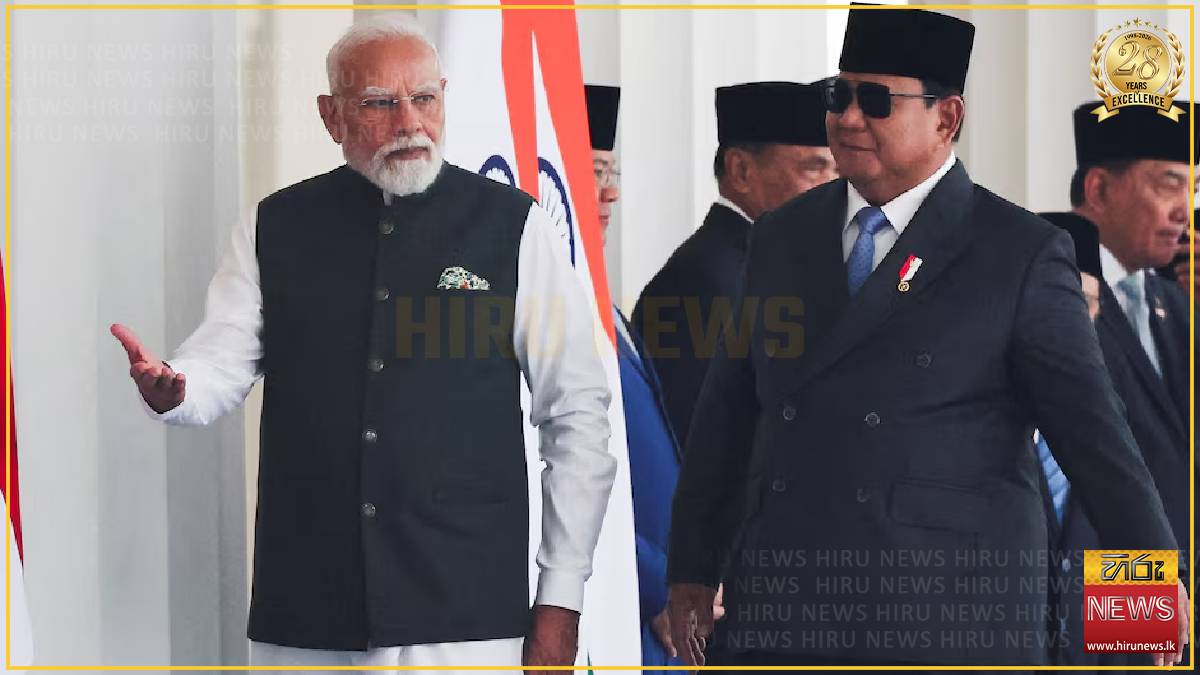
North Korea slams Japan over alleged overseas aggression
Local
07 July 2026

Rupee remains stable today
Local
07 July 2026

UK's $667bn net-zero Bill could make Britain uncompetitive
Local
07 July 2026

National tax week 'Tax Shakti 2026' launched
Local
07 July 2026
Saudi Arabia ships 34mn barrels through Hormuz
Local
07 July 2026

Big oil heads for record profits as Trump turns up the heat on gas prices
Local
07 July 2026

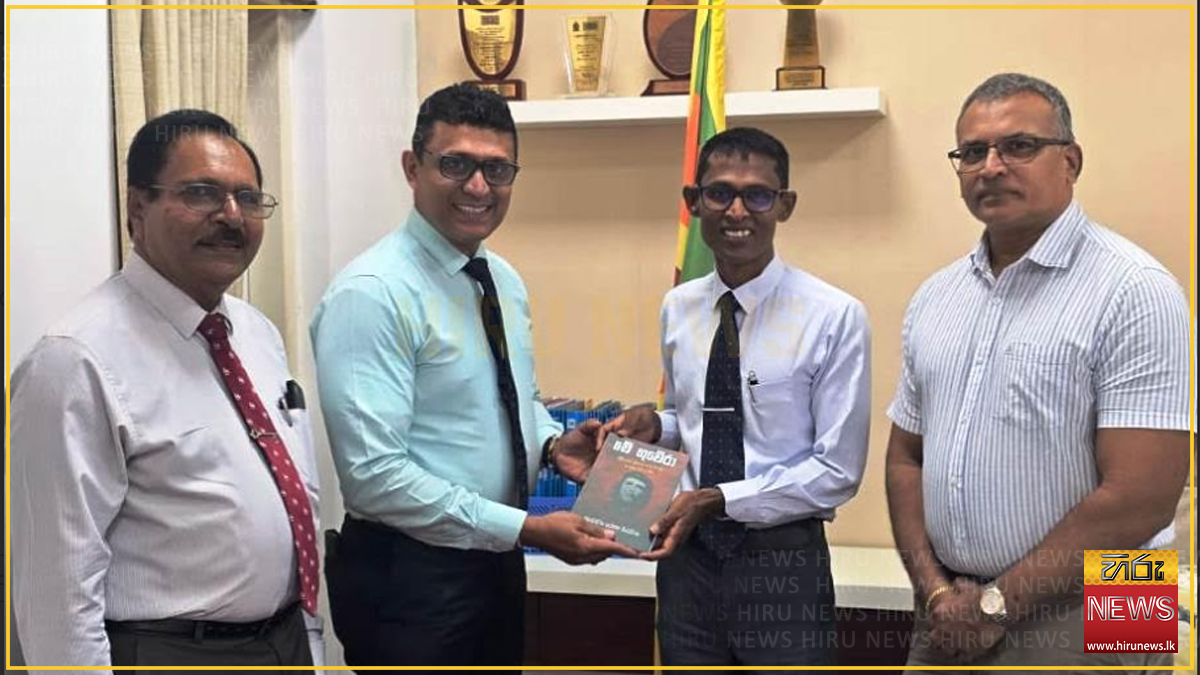
Prof. Senaka Wijesinghe unveils latest book on Che Guevara's leadership legacy
Local
07 July 2026
Commercial Bank makes history with biggest FinanceAsia awards haul by a Lankan bank
Local
07 July 2026