



Share Post


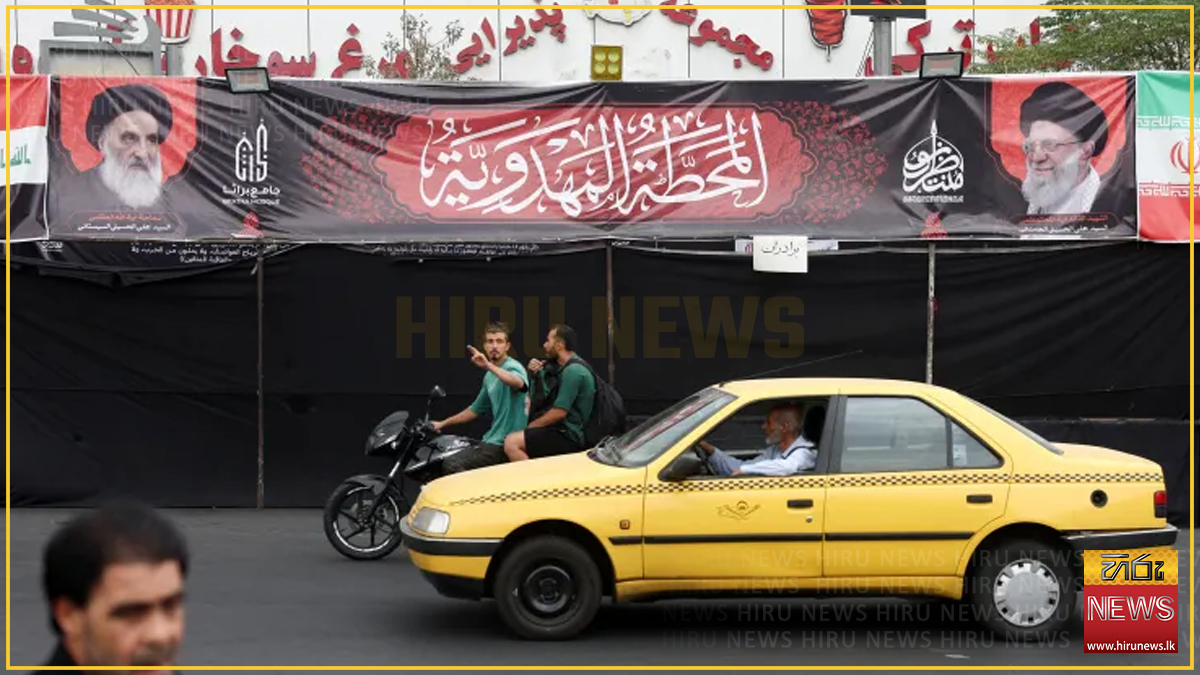
The Iranian government is preparing the public for another increase in fuel prices as it attempts to buoy the country’s ailing economy.
With the United States’ siege of Iran’s seaports and the economic impact of the war continuing, the offer of heavily subsidised fuel to the country’s 93 million population is a burden that the government is struggling to afford.
The International Monetary Fund predicts that Iran’s gross domestic product (GDP) will contract by 5.4 percent in 2026.
Hiking the price of petrol in this oil-rich country has already sparked unrest before, including nationwide demonstrations in 2019. Such measures also preceded the January 2026 protests by several weeks.
So authorities are treading carefully, with a final decision expected over the coming weeks.
“I understand that we have many problems in society now. We are doing our best so the people are not afflicted, but the enemy is doing its absolute best so we won’t succeed,” President Masoud Pezeshkian said during a speech on Sunday morning, alluding to the six-month US-Israel war on Iran.
After US President Donald Trump threatened to target Iran with the “most crushing economic operation” ever undertaken against any country, the Iranian rial hit a new all-time low of 2 million rials per the US dollar in Tehran’s open market on Sunday afternoon.
On Friday, Pezeshkian noted that the price of fuel in Iran is considerably lower than in most countries in the world.
He said his administration pays 1.3 million rials (65 US cents at the current rate) per litre of petrol produced by refineries. The lowest price tier offered to the population is 15,000 rials (less than 1 cent) per litre (0.26 gallons).
Two other price categories for personal vehicle use – one at 30,000 rials (1.5 cents) per litre and the third at 50,000 rials (2.5 cents) – are also eating into the government’s finances.
Meanwhile, Iranians with imported, free-zone or newly registered vehicles are liable for the highest-price tier.
Still, there are limits to the amount of subsidised fuel Iranians can purchase, with each category having its own monthly quota, and sales are only allowed with a fuel card.
Pump stations have their own cards that offer some extra fuel at the highest-price category, but with a single-use limit of 25 litres in Tehran.
The quota for the cheapest category is 60 litres. From the start of the current calendar year in late March, authorities cut the quota for the second category from 100 to 70 litres. After two weeks of fighting between Iran and the US erupted again in July over the Strait of Hormuz, this allowance was cut again to 50 litres.
Iranians now consume roughly 135 million litres per day of fuel, with authorities saying earlier this month that production was at about 121 million litres per day.
To compensate for these financial losses, the government has attempted to increase refinery production, used petrochemical products, and reduced the quality of fuel by diluting it. Fuel imports have also stopped due to the war.
-Al Jazeera
With the United States’ siege of Iran’s seaports and the economic impact of the war continuing, the offer of heavily subsidised fuel to the country’s 93 million population is a burden that the government is struggling to afford.
The International Monetary Fund predicts that Iran’s gross domestic product (GDP) will contract by 5.4 percent in 2026.
Hiking the price of petrol in this oil-rich country has already sparked unrest before, including nationwide demonstrations in 2019. Such measures also preceded the January 2026 protests by several weeks.
So authorities are treading carefully, with a final decision expected over the coming weeks.
“I understand that we have many problems in society now. We are doing our best so the people are not afflicted, but the enemy is doing its absolute best so we won’t succeed,” President Masoud Pezeshkian said during a speech on Sunday morning, alluding to the six-month US-Israel war on Iran.
After US President Donald Trump threatened to target Iran with the “most crushing economic operation” ever undertaken against any country, the Iranian rial hit a new all-time low of 2 million rials per the US dollar in Tehran’s open market on Sunday afternoon.
On Friday, Pezeshkian noted that the price of fuel in Iran is considerably lower than in most countries in the world.
He said his administration pays 1.3 million rials (65 US cents at the current rate) per litre of petrol produced by refineries. The lowest price tier offered to the population is 15,000 rials (less than 1 cent) per litre (0.26 gallons).
Two other price categories for personal vehicle use – one at 30,000 rials (1.5 cents) per litre and the third at 50,000 rials (2.5 cents) – are also eating into the government’s finances.
Meanwhile, Iranians with imported, free-zone or newly registered vehicles are liable for the highest-price tier.
Still, there are limits to the amount of subsidised fuel Iranians can purchase, with each category having its own monthly quota, and sales are only allowed with a fuel card.
Pump stations have their own cards that offer some extra fuel at the highest-price category, but with a single-use limit of 25 litres in Tehran.
The quota for the cheapest category is 60 litres. From the start of the current calendar year in late March, authorities cut the quota for the second category from 100 to 70 litres. After two weeks of fighting between Iran and the US erupted again in July over the Strait of Hormuz, this allowance was cut again to 50 litres.
Iranians now consume roughly 135 million litres per day of fuel, with authorities saying earlier this month that production was at about 121 million litres per day.
To compensate for these financial losses, the government has attempted to increase refinery production, used petrochemical products, and reduced the quality of fuel by diluting it. Fuel imports have also stopped due to the war.
-Al Jazeera
Latest News
ampath Bank appoints Dilip de S Wijeyeratne as Deputy Chairman
Local
11 September 2026

MAN TV-produced ‘The Motherland’ takes Lankan stories to global audiences
Local
11 September 2026

“Market declines as retail investors remain on the sidelines”
Local
10 September 2026

Trump offers $5,000 to every adult if GOP wins midterms
Local
10 September 2026
Oil prices surge as Middle East tensions threaten supply
Local
10 September 2026

Modernised Bambalapitiya Railway Station opened
Local
10 September 2026

Pharmacy owner remanded over illegal sale of prescription drugs
Local
10 September 2026

Families of deceased migrant workers to receive Rs. 2m
Local
10 September 2026

Namal alleges massive coal shortage worth Rs. 4.62bn
Local
10 September 2026
Sri Lanka, BIMSTEC to sign technology transfer pact in Colombo
Local
10 September 2026