



Share Post


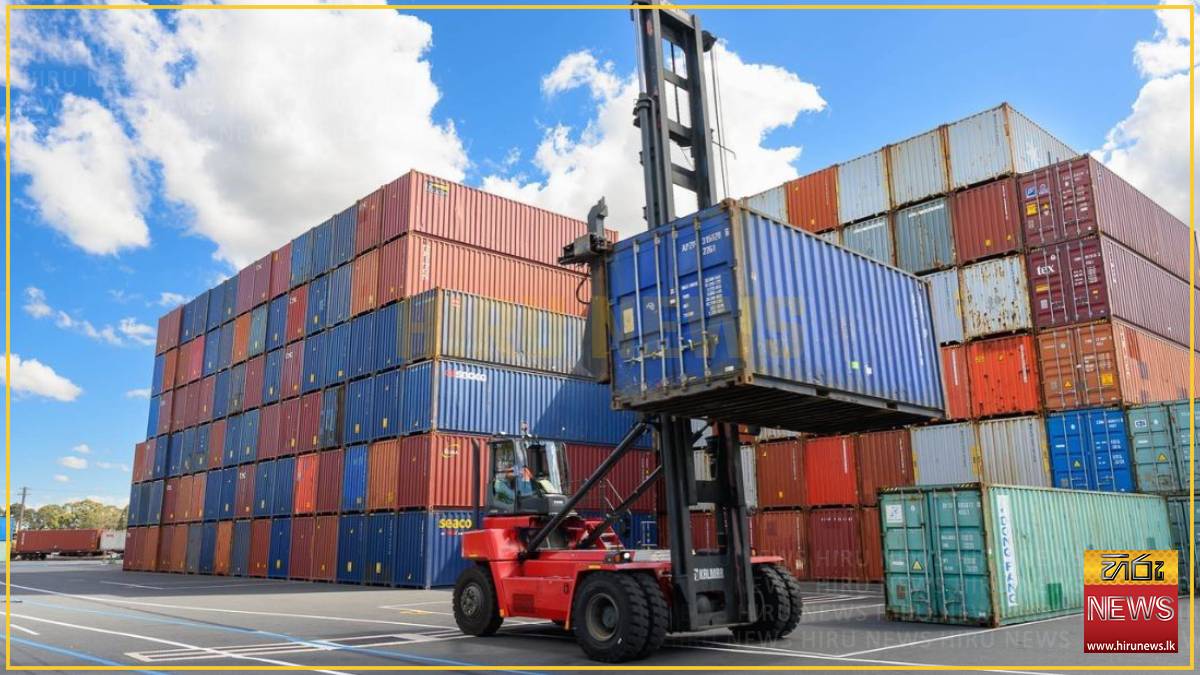
The Deputy Minister of Trade, Commerce, and Food Security, R.M. Jayawardana, has announced that the upcoming Trade National Single Window (TNSW) system is expected to eliminate at least 80% of tax evasion by importers.
The Deputy Minister revealed that the government is moving to replace the current system, which relies on manual administration, with an automated cross-checking mechanism.
According to Project Director Neelakanth Wanninayake, the rollout will occur in phases.
Phase I (Pilot) is expected to be operational by the end of 2027, integrating six key agencies including Sri Lanka Customs, the Standards Institution, and the Import and Export Control Department.
A total of 18 regulatory agencies and five private sector chambers are earmarked for connection to the system for full implementation.
While the project has faced significant delays—moving from an original target of 2022 to a World Trade Organisation-confirmed "definitive date" of December 31, 2030—the Deputy Minister emphasised that current efforts are focused on improving administration until the new tech is ready.
The 2018 Budget announced an allocation of Rs. 500 million to introduce an e-Local Government application system, automated construction permit issuing mechanism, integrated e-Land Registry (eLR), and 45 digitised land registries, as well as to establish a TNSW connecting 31 regulatory agencies with the Customs Department.
The Deputy Minister revealed that the government is moving to replace the current system, which relies on manual administration, with an automated cross-checking mechanism.
According to Project Director Neelakanth Wanninayake, the rollout will occur in phases.
Phase I (Pilot) is expected to be operational by the end of 2027, integrating six key agencies including Sri Lanka Customs, the Standards Institution, and the Import and Export Control Department.
A total of 18 regulatory agencies and five private sector chambers are earmarked for connection to the system for full implementation.
While the project has faced significant delays—moving from an original target of 2022 to a World Trade Organisation-confirmed "definitive date" of December 31, 2030—the Deputy Minister emphasised that current efforts are focused on improving administration until the new tech is ready.
The 2018 Budget announced an allocation of Rs. 500 million to introduce an e-Local Government application system, automated construction permit issuing mechanism, integrated e-Land Registry (eLR), and 45 digitised land registries, as well as to establish a TNSW connecting 31 regulatory agencies with the Customs Department.
Latest News
German far-right activist moved to men’s prison in transgender case
Local
16 July 2026

China’s oil fortress signals global power shift
Local
16 July 2026

Israeli officials tried to influence US Iran policy, says Vance
Local
16 July 2026

Ukraine parliament approves new PM
Local
16 July 2026

Czech national held in China faces spy investigation
Local
16 July 2026

ASEAN envoy heads for Myanmar talks ahead of Manila meeting
Local
16 July 2026

Iran calls Hormuz a ‘red line’, vows resistance until the end
Local
16 July 2026

Port City Colombo targets India as key growth partner
Local
16 July 2026
11 killed in Algeria orphanage fire near Algiers
Local
16 July 2026

UK economy grows 0.1% in May amid fragile outlook
Local
16 July 2026