





Sri Lanka is experiencing a large Chikungunya outbreak, the first in 16.
This was revealed by a new study shred by Prof. Chandima Jeewandara, the Director of the Allergy, Immunology and Cell Biology Unit of the University of Sri Jayawardenapura, which also shed crucial insight into the virus's origin and rapid spread.
The research confirms that the current outbreak is caused by the Indian Ocean Lineage of the Chikungunya virus, which is a lineage also prevalent in recent outbreaks across South Asia.
Analysis strongly suggests that the 2025 Sri Lankan strains were likely introduced from a single source, showing close clustering with strains from India and Pakistan detected in 2024.
This differs from the 2006-2008 Sri Lankan outbreak, which originated from multiple locations.
A key finding is the presence of specific mutations, which enhance the virus's fitness within the Aedes aegypti mosquito, a common vector in urban areas.
These mutations are also observed in recent strains from India and Pakistan.
The study also has identified unique mutations within the 2025 Sri Lankan strains, which have not been previously reported in the region.
Further analysis indicates that the Sri Lankan sequences are evolving at a relatively faster rate compared to the broader Indian Ocean Lineage population, potentially due to intense, ongoing transmission.
According to the National Epidemiology Unit, Chikungunya infection typically presents with a sudden onset of fever, accompanied by headache, muscle pain, fatigue, and severe joint pain, particularly in smaller joints.
A rash may also appear on the trunk and limbs.
In light of this outbreak, the US Centers for Disease Control and Prevention (CDC) has issued a Level 2 travel alert for the Indian Ocean region, advising enhanced precautions, including the use of repellents and protective clothing.
Officials continue to urge the public to remain vigilant and eliminate mosquito breeding sites, as wet conditions can exacerbate the spread of mosquito-borne diseases like Chikungunya.
Latest News
We have been treated unfairly by USA - Iran

French city-dwellers swap stifling apartments for cool hotel rooms

Beijing investigating rare light aircraft crash

Consultant Dr. Chandika Epitakaduwa new GMOA President

Budapest Pride draws thousands After Orban election loss

India sees surge in research paper retractions

US trade attacks in worst escalation since peace deal

Germany, Denmark gripped by record temperatures

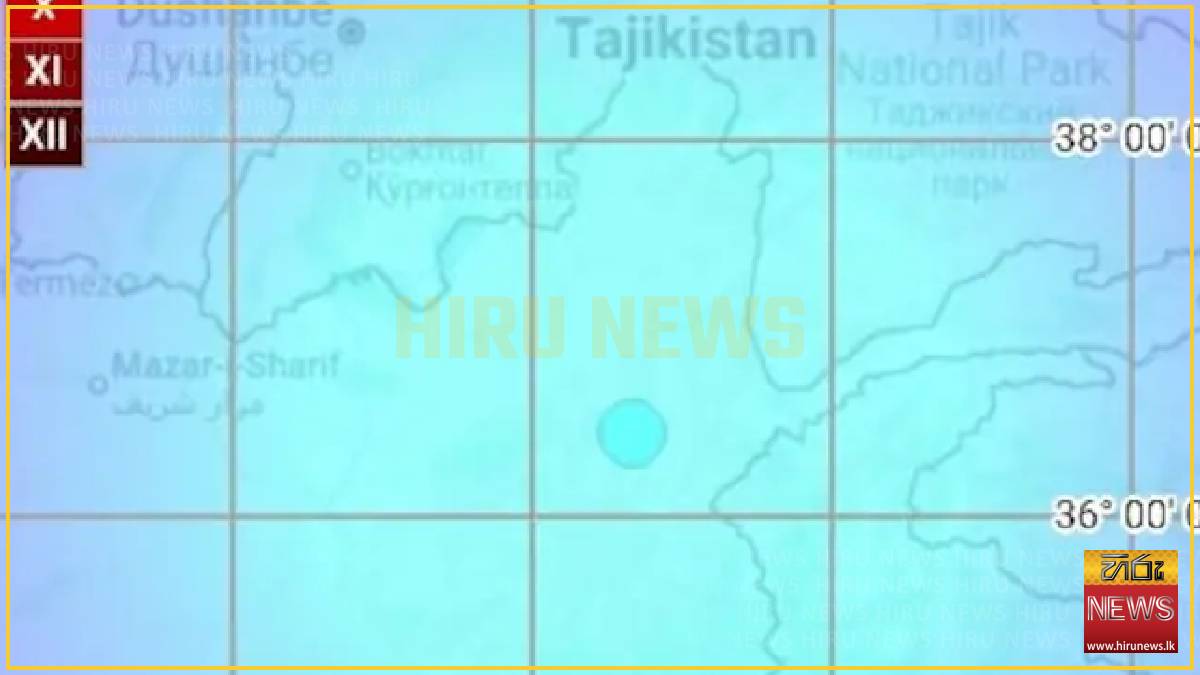
Magnitude 6.2 earthquake jolts Afghanistan, tremors felt in India, Pak
S. Thomas’ defeats St. Anthony’s in Schools Rugby League








