Share Post


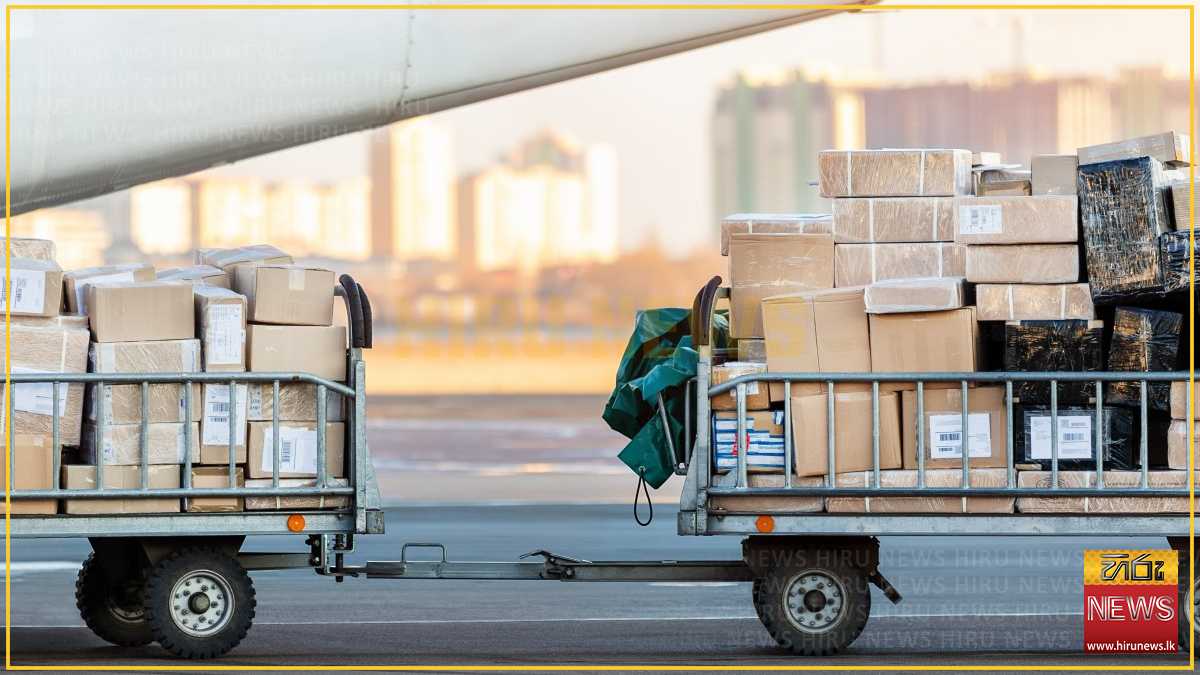
Sri Lanka Customs started drafting new regulations to oversee the clearance of e-commerce goods, which will eventually be gazetted by the Minister of Finance.
Customs Media Spokesperson Chandana Punchihewa confirmed that the proposed rules will define how e-commerce items are declared and taxed. The regulations aim to clarify whether goods require a standard Customs declaration or a simplified document and how taxes will be applied. This drafting follows talks held last year with major e-commerce platforms, which expressed a willingness to comply with clear and straightforward rules. While a specific timeline for completion remains unavailable, the process remains ongoing.
Customs Director General Seevali Arukgoda highlighted the necessity of streamlining the clearance process for these imports. He noted that the de minimis principle no longer applies to e-commerce goods, with no plans for its return. Since the shift to taxing individual consignments instead of bulk shipments, revenue from e-commerce imports increased threefold. Arukgoda also clarified that no distinction will be made between B2B and B2C e-commerce imports, as these channels are not meant for commercial-scale volumes. Large-scale imports via such platforms will continue to be treated as standard commercial shipments.
Customs Media Spokesperson Chandana Punchihewa confirmed that the proposed rules will define how e-commerce items are declared and taxed. The regulations aim to clarify whether goods require a standard Customs declaration or a simplified document and how taxes will be applied. This drafting follows talks held last year with major e-commerce platforms, which expressed a willingness to comply with clear and straightforward rules. While a specific timeline for completion remains unavailable, the process remains ongoing.
Customs Director General Seevali Arukgoda highlighted the necessity of streamlining the clearance process for these imports. He noted that the de minimis principle no longer applies to e-commerce goods, with no plans for its return. Since the shift to taxing individual consignments instead of bulk shipments, revenue from e-commerce imports increased threefold. Arukgoda also clarified that no distinction will be made between B2B and B2C e-commerce imports, as these channels are not meant for commercial-scale volumes. Large-scale imports via such platforms will continue to be treated as standard commercial shipments.
Latest News
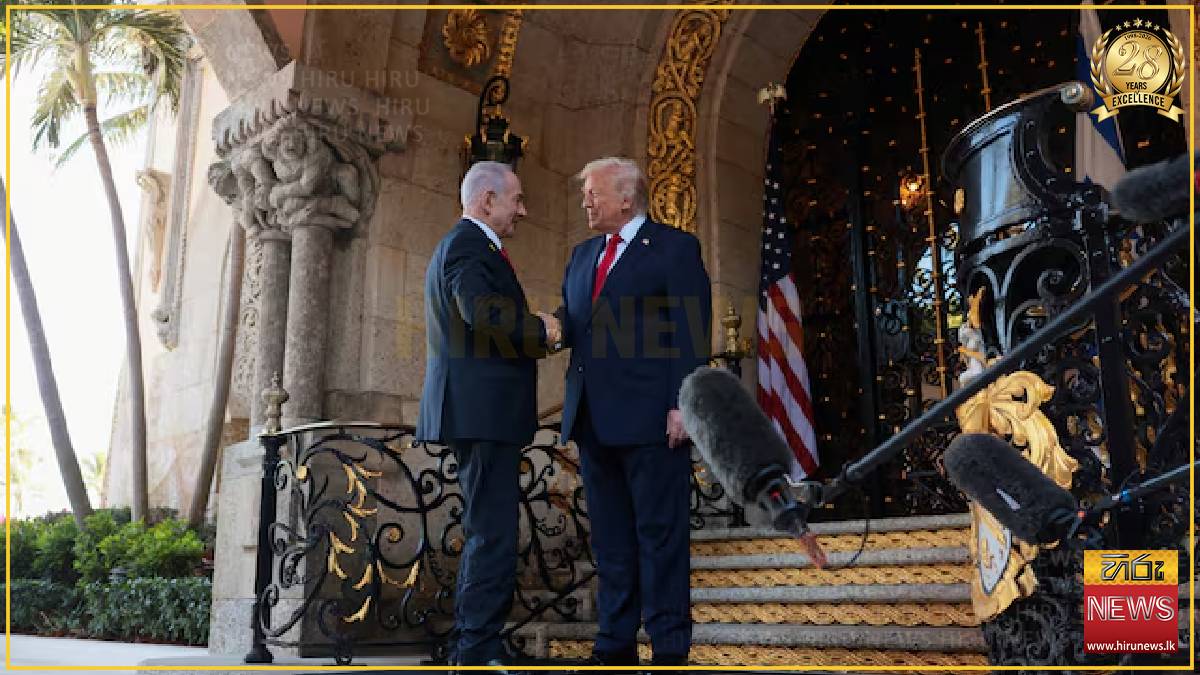
Netanyahu to meet Trump in Washington next week
Local
25 July 2026
LPG tanker carrying Indians attacked near Hormuz
Local
25 July 2026

Saudi ship damaged in Red Sea attack
Local
25 July 2026

Tehran is not ready for peace yet...claims Trump
Local
25 July 2026

Canada opens US bridge amid Trump tensions
Local
25 July 2026

Trump says Venezuela not ready for elections
Local
25 July 2026

Lula leads Flavio Bolsonaro in Brazil election poll
Local
25 July 2026

Saudi coalition strikes Houthi sites in Yemen
Local
25 July 2026

Russian missile strike kills 10 in Kyiv region
Local
25 July 2026

From steppe to sea, a Ukrainian drone unit hunts Russian ships
Local
25 July 2026