


Share Post


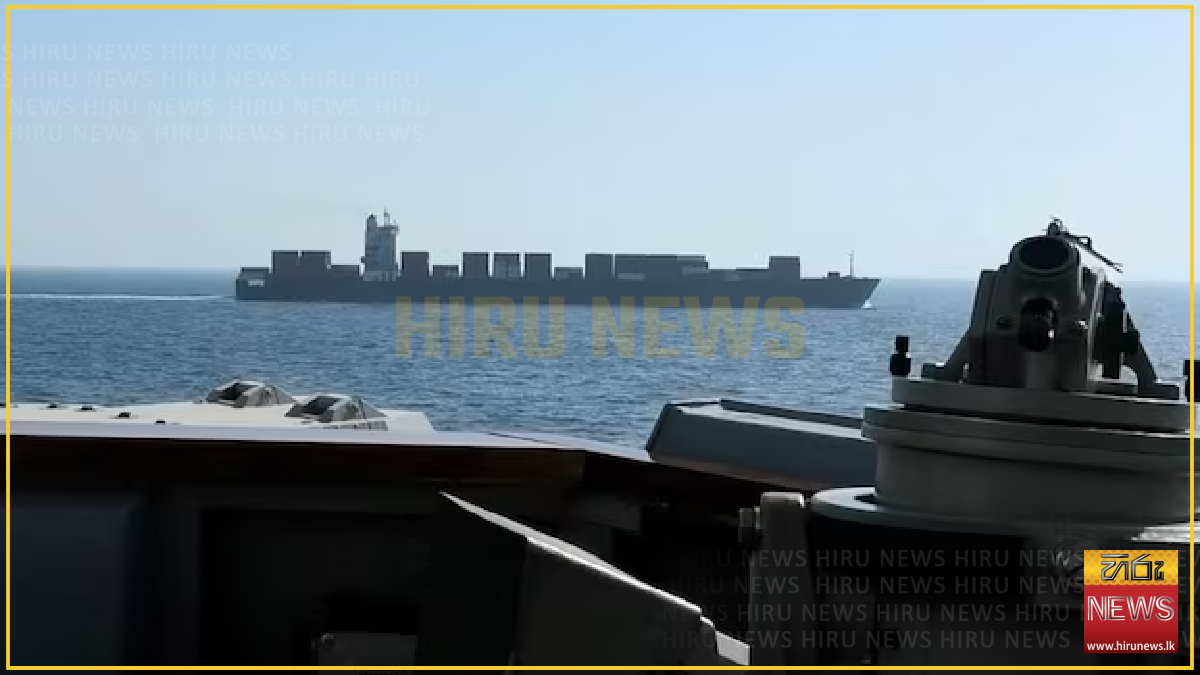
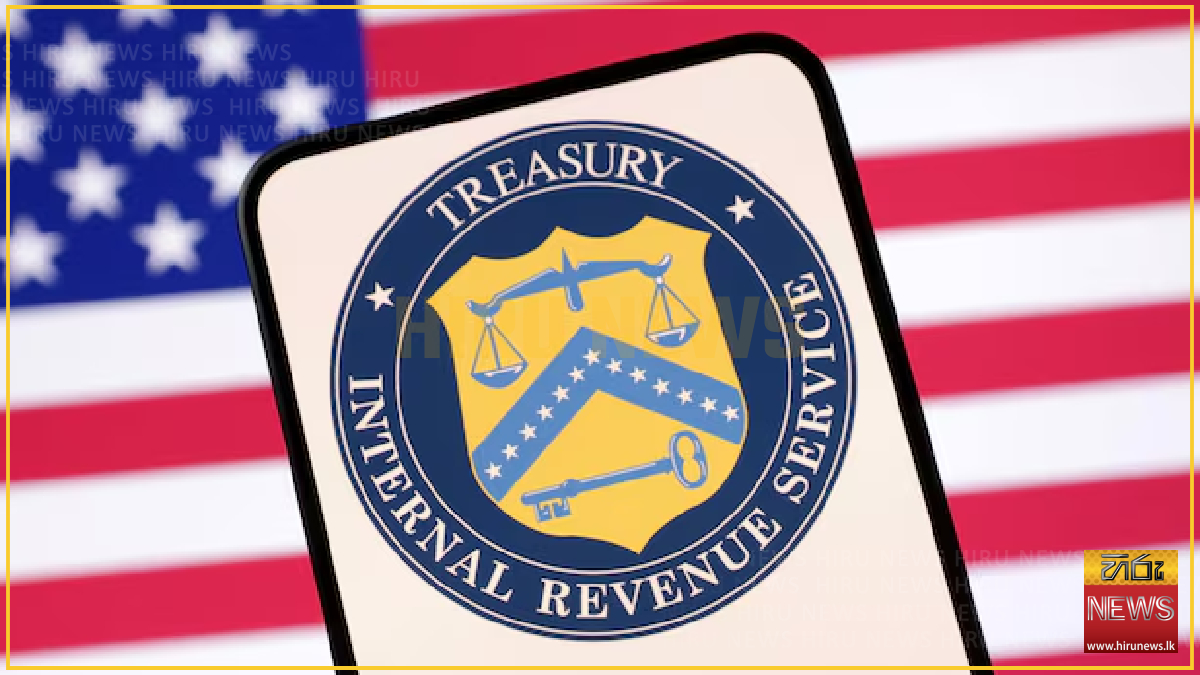
Any shipper paying tolls to Iran for passage through the Strait of Hormuz, including charitable donations to organizations such as the Iranian Red Crescent Society, is at risk of punitive sanctions, the U.S. Treasury warned on Friday.
The Strait of Hormuz is one of the world’s most strategically vital maritime routes, with about 20% of the world’s seaborne crude oil and liquefied natural gas flows passing through it.
Tehran has proposed fees or tolls on vessels passing through the Strait, as part of proposals to end the war with Israel and the United States.
The advisory, from Treasury's Office of Foreign Assets Control, said the U.S. is aware of Iranian demands for payments to receive safe passage through the Strait.
OFAC advised companies this week that paying the tolls puts them at risk, but clarified on Friday that payments disguised through charity or indirect payments are not allowed.
Treasury did not offer Reuters details on any countries or companies that have made such indirect payments. There have been reports of at least one payment of $2 million having been made for a vessel to traverse the Strait.
The warning came as Iran sent its latest proposal for negotiations with the U.S. to Pakistani mediators, a move that could improve prospects for breaking an impasse in efforts to end the Iran war.
OFAC said demands may include several payment options, including fiat currency, digital assets, offsets, informal swaps, or other in-kind payments, such as nominally charitable donations made to the Iranian Red Crescent Society, Bonyad Mostazafan, or Iranian embassy accounts.
"OFAC is issuing this alert to warn U.S. and non-U.S. persons about the sanctions risks of making these payments to, or soliciting guarantees from, the Iranian regime for safe passage," it said. "These risks exist regardless of payment method."
OFAC also imposed fresh sanctions on what it said are three Iranian foreign currency exchange houses, saying they facilitate billions of dollars in transactions annually, and their associated front companies.
The office also imposed Iran-related sanctions on the Panama-flagged NEW FUSION oil products tanker. "We will relentlessly target the regime’s ability to generate, move, and repatriate funds, and pursue anyone enabling Tehran’s attempts to evade sanctions,” Treasury Secretary Scott Bessent said.
Analysts have long said that China, Iran's largest buyer of oil, will continue to buy the petroleum until the U.S. imposes sanctions on its banks. Such a move, however, could damage the Washington-Beijing relationship.
- Reuters
The Strait of Hormuz is one of the world’s most strategically vital maritime routes, with about 20% of the world’s seaborne crude oil and liquefied natural gas flows passing through it.
Tehran has proposed fees or tolls on vessels passing through the Strait, as part of proposals to end the war with Israel and the United States.
The advisory, from Treasury's Office of Foreign Assets Control, said the U.S. is aware of Iranian demands for payments to receive safe passage through the Strait.
OFAC advised companies this week that paying the tolls puts them at risk, but clarified on Friday that payments disguised through charity or indirect payments are not allowed.
Treasury did not offer Reuters details on any countries or companies that have made such indirect payments. There have been reports of at least one payment of $2 million having been made for a vessel to traverse the Strait.
The warning came as Iran sent its latest proposal for negotiations with the U.S. to Pakistani mediators, a move that could improve prospects for breaking an impasse in efforts to end the Iran war.
OFAC said demands may include several payment options, including fiat currency, digital assets, offsets, informal swaps, or other in-kind payments, such as nominally charitable donations made to the Iranian Red Crescent Society, Bonyad Mostazafan, or Iranian embassy accounts.
"OFAC is issuing this alert to warn U.S. and non-U.S. persons about the sanctions risks of making these payments to, or soliciting guarantees from, the Iranian regime for safe passage," it said. "These risks exist regardless of payment method."
OFAC also imposed fresh sanctions on what it said are three Iranian foreign currency exchange houses, saying they facilitate billions of dollars in transactions annually, and their associated front companies.
The office also imposed Iran-related sanctions on the Panama-flagged NEW FUSION oil products tanker. "We will relentlessly target the regime’s ability to generate, move, and repatriate funds, and pursue anyone enabling Tehran’s attempts to evade sanctions,” Treasury Secretary Scott Bessent said.
Analysts have long said that China, Iran's largest buyer of oil, will continue to buy the petroleum until the U.S. imposes sanctions on its banks. Such a move, however, could damage the Washington-Beijing relationship.
- Reuters
Latest News
McLaren's Norris beats Antonelli for Miami sprint pole
Local
02 May 2026

Australia worried over mouse infestation's impact on food supply
Local
02 May 2026
Cuba rejects Trump's new "coercive" sanctions
Local
02 May 2026
First group of pilgrims departs for Hajj
Local
02 May 2026
Women's Six Nations attendance record broken after three rounds
Local
02 May 2026

Japan's PM Takaichi in Hanoi, to meet Vietnamese leaders
Local
02 May 2026

Flower Moon kicks off a rare two-Moon month
Local
02 May 2026

Spirit Airlines prepares to cease operations overnight
Local
02 May 2026
UAE exit from OPEC signals closer alignment with US interests, experts say
Local
02 May 2026
Trump says US Navy acting 'like pirates' to carry out naval blockade of Iranian ports
Local
02 May 2026