


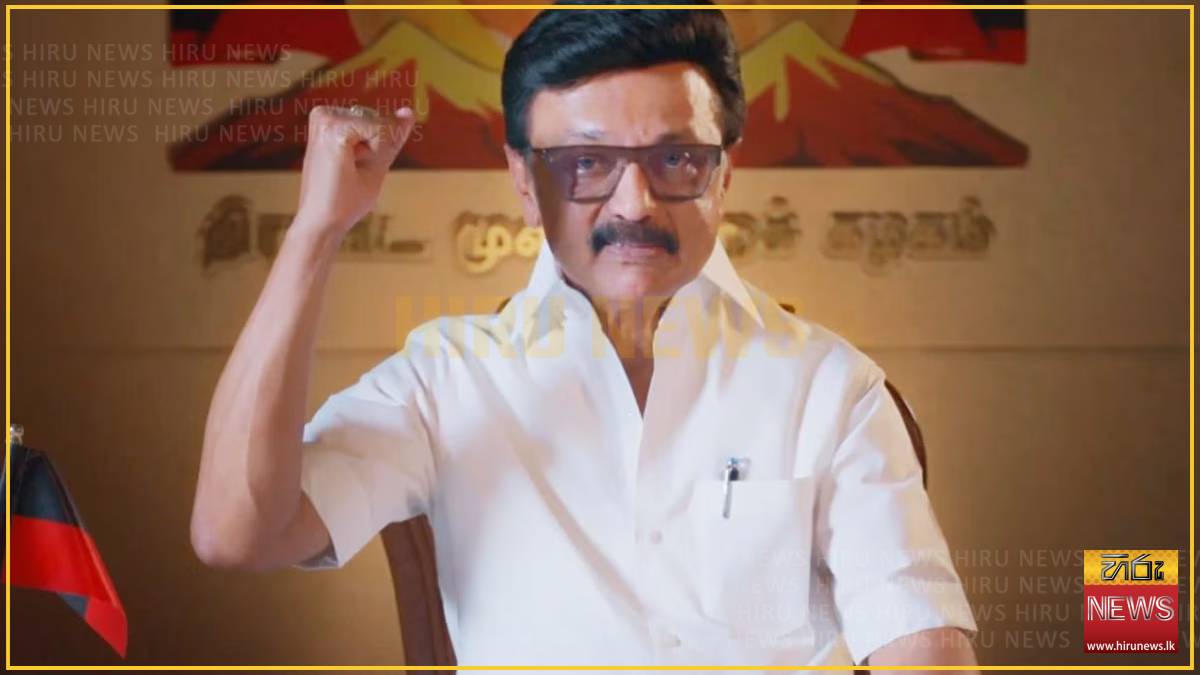


When looking at the reasons why M K Stalin lost, it is worth remembering how long he waited to win.
Stalin did not seize the DMK but inherited it slowly, almost painfully, after decades inside the party, without revolt, without splitting it, and without challenging his father and former CM M Karunanidhi’s authority in public. His rise was patient, disciplined, and organisational.
That is why Monday’s verdict appears to be so brutal to his supporters. The DMK losing power would have been explicable. Stalin himself losing Kolathur, a seat he had held since 2011 and won by a huge margin in 2021, suggests something larger than routine anti-incumbency. TVK’s V S Babu defeated him by nearly 9,000 votes, making it one of the rare defeats of a sitting Tamil Nadu CM in his own constituency. Along with him, several senior ministers, including Durai Murugan, P Geetha Jeevan, Ma Subramanian, TM Anbarasan, Nazar, Mathiventhan, and T R B Raja, lost.
“We bow to and accept the verdict of the people. Congratulations to the victors!” Stalin posted on X, accepting the will of the electorate.
“In the past five years, we have created numerous projects and provided good governance to the people of Tamil Nadu. We have elevated Tamil Nadu in every way. In the electoral arena, we sought votes only by speaking of our achievements. We campaigned for votes to ensure the welfare schemes we delivered to the people would continue. I express my heartfelt thanks to all the people of Tamil Nadu who supported and voted for the secular progressive alliance led by the Dravida Munnetra Kazhagam. I governed not just for those who voted, but also for those who forgot to vote. I have been true to all the people. I have acted according to my conscience. I have toiled beyond my strength. To my beloved comrades of Leader Karunanidhi, who toiled in the field just as I did and who are inseparable from my soul, my deepest gratitude from the heart! Thanks to the leaders, officials, and workers of the friendship movement who stood shoulder to shoulder with us — all of them! In my political public life, I have seen great victories; I have also faced defeats. Therefore, I am one who acts with the understanding that ideals and policies are what matter most, not just victories and defeats. Thus, the political journey of the Dravida Munnetra Kazhagam will continue without faltering. The DMK, which has so far functioned as an exemplary ruling party for the people — henceforth will function as an exemplary opposition party.”
Stalin’s government had flaws: police missteps, administrative drift, avoidable controversies, and a perceived lack of command over sections of the state machinery. But those alone did not seem enough to explain such a sweeping rebuke. There was no single, roaring anger, but contempt gathered around corruption, not always proved but widely believed.
In Tamil Nadu politics, perception can travel faster than documents. Vijay’s campaign repeatedly invoked the “Rs 10” slogan linked to alleged overcharging at TASMAC liquor outlets, targeting former excise minister V Senthil Balaji. Reports had earlier recorded AIADMK’s charge of daily TASMAC corruption running into crores, which Balaji denied. The Karur rally tragedy, where Vijay’s criticism of Balaji as a “Rs 10 minister” became part of the political memory of the campaign, only amplified that charge.
Around this grew a larger narrative on corruption, names linked in public gossip to power centres around Stalin’s family, stories of Dubai trips, luxury watches, and business networks. Some of it may be completely fictitious and may be just suspicion, while some may contain truth. But electorally, what mattered was that it had entered public consciousness. For the DMK, it might have been something that the AIADMK had done as well during the Jayalalithaa period, not something only it was guilty of.
Stalin himself never carried the image of a flamboyant ruler. He was not known for luxury foreign holidays or a colourful private life. But the same restraint did not protect him from resentment directed at the next layer of power, especially his son and son-in-law, who were seen as faces who were easily bestowed with power and money they did not deserve.
The elevation of Udhayanidhi Stalin became a burden. His retention of Chepauk-Thiruvallikeni could not erase the larger damage his rise did to the DMK’s image. To critics, he symbolised entitlement without adequate intellectual or political weight. His Sanatana Dharma remarks, which triggered a national controversy and were later criticised by the Madras High Court as hate speech, gave rivals a potent line: that the DMK’s next generation could insult faith without understanding its depth.
In the end, this was not merely a vote against a government. It was a vote against familiarity itself, against family power, alleged corruption, arrogance, and the belief that welfare delivery alone could contain public irritation. Any attempt to rebuild and find its way back will need to grapple with these hard questions and even harder answers they might yield.
Stalin waited decades to inherit authority. Vijay needed one election to show how fragile inherited authority had become.
-Indian Express
Latest News
‘Gee Sambhavana’ musical show launched featuring veteran artistes
US prepared for visa sanctions on China
Vijay’s political rise echoes MGR’s legacy
Dengue eradication programmes to be launched

Sri Lanka’s Hidden Fire Risk: The Next Urban Crisis?
TVK seeks appointment with Governor after win
Vijay's driver's son wins big in Tamil Nadu election
Vijay’s TVK eyes coalition partners to form govt
Oil eases amid signs of Strait reopening
Public warned against WhatsApp video extortion