



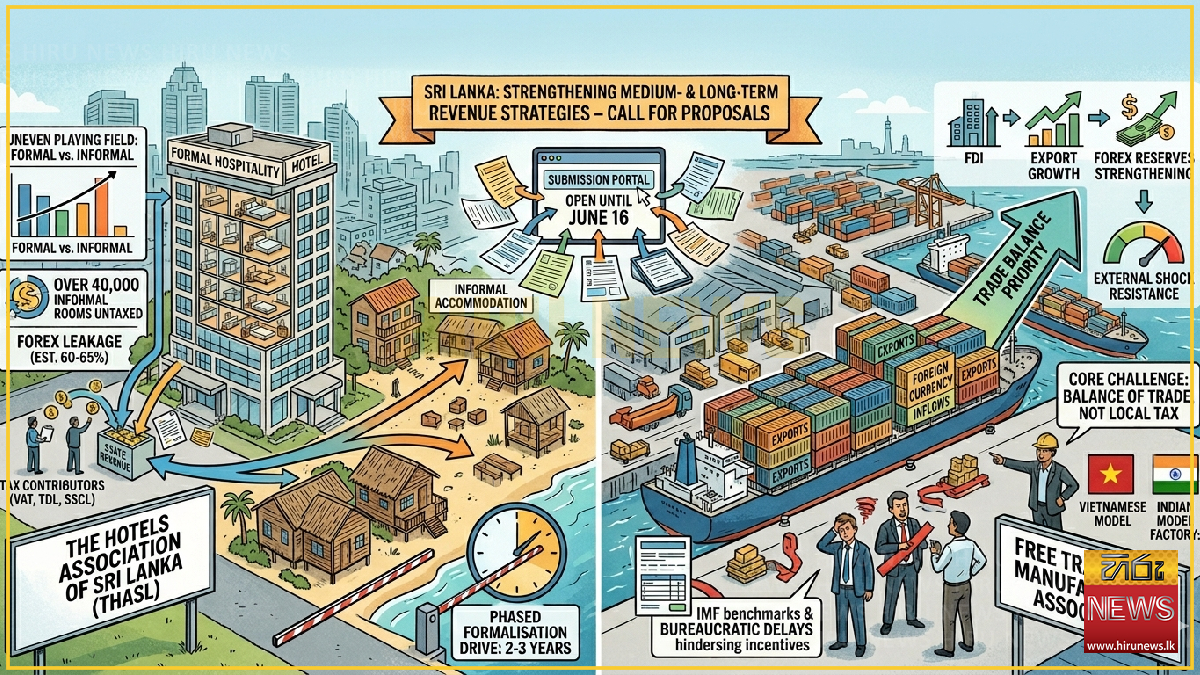


Industry professionals have expressed mixed views following the government’s call for proposals to strengthen Sri Lanka’s medium- and long-term revenue strategies, with submissions open until June 16.
Think tanks, universities, professional bodies, private sector institutions, registered NGOs, and individuals have been invited to submit recommendations to the Ministry of Finance as authorities seek to raise state revenue to 20% of GDP through improved efficiency and an expanded tax base.
Against this backdrop, representatives from the tourism and export sectors presented contrasting perspectives on the country’s fiscal priorities.
Tourism sector backs formalisation drive
The Hotels Association of Sri Lanka (THASL) has welcomed proposals aimed at formalising the informal economy, saying the tourism sector continues to be weighed down by an uneven playing field.
THASL Chief Executive Officer Priyantha Fernando said a significant portion of the industry remains outside the tax net.
“If you look at the formal hospitality sector, there are around 55,000 hotel rooms, while nearly another 45,000 are in the informal sector,” he said.
“Formal sector operators contribute to taxes such as 18% VAT, a 2.5% social levy, and a 1% Tourism Development Levy — roughly 25% in total going to government revenue. But the informal sector does not pay taxes, creating an uneven playing field.”
He added that recent studies suggested foreign exchange “leakages” in tourism could be as high as 60% to 65%.
“We need to bring the informal sector into the formal system, where regulators have oversight and revenue contributions are ensured,” he said. “At present, the informal sector has an estimated 25% cost advantage.”
Fernando also warned that the structure of the sector was unsustainable without reform.
“Foreigners operating businesses in areas such as the south and Arugam Bay often keep earnings outside the system, which reduces employment opportunities and long-term sustainability,” he said.
“The Sri Lanka Tourism Development Authority is currently constrained by limited resources. This process must be phased over two to three years. It cannot be done overnight. Ultimately, at least 80 percent of the sector should operate formally. It is impossible to eliminate informality entirely, but it must be reduced significantly to strengthen government revenue.”
He also cautioned that repeated policy consultations would be meaningless without implementation.
“In the past, proposals have been called for repeatedly, but follow-up action has been weak. That is the most important gap that must be addressed,” he said. “We hope this time there will be a proper plan to ensure implementation.”
Export sector urges focus on trade balance
However, Free Trade Zone Manufacturers Association President Dhammika Fernando argued that Sri Lanka’s core challenge is not domestic revenue mobilisation, but its external trade imbalance.
“The country’s problem right now is not local tax revenue. The persistent issue is our balance of trade — the level of foreign currency inflows and the strengthening of reserves,” he said.
“Without adequate reserves, the country cannot withstand external shocks.”
He said increasing foreign inflows should be the priority, particularly through investment and exports.
“There are multiple ways to do this — facilitating foreign direct investment is one. The other is boosting exports so that more foreign currency enters the country,” he said.
He criticised what he described as bureaucratic delays and restrictions on incentives.
“Due to bureaucracy and certain structural benchmarks linked to the IMF programme, there is reluctance to provide adequate facilitation for exporters and foreign investors,” he said.
“Countries like India offer significant incentives to attract investment, and Vietnam is another strong example.”
He added that Sri Lanka should now reconsider its approach as its IMF Extended Fund Facility programme nears completion.
“This is the time to look beyond the IMF framework and focus on a more competitive investment environment,” he said.
Call for action, not proposals alone
The Hotels Association chief further stressed that repeated policy exercises would have little impact unless proposals are translated into action on the ground.
The government’s consultation process remains open until June 16, with officials expected to review submissions as part of a broader revenue reform agenda.
Latest News
Mexico-England resale tickets cost over £2.6k

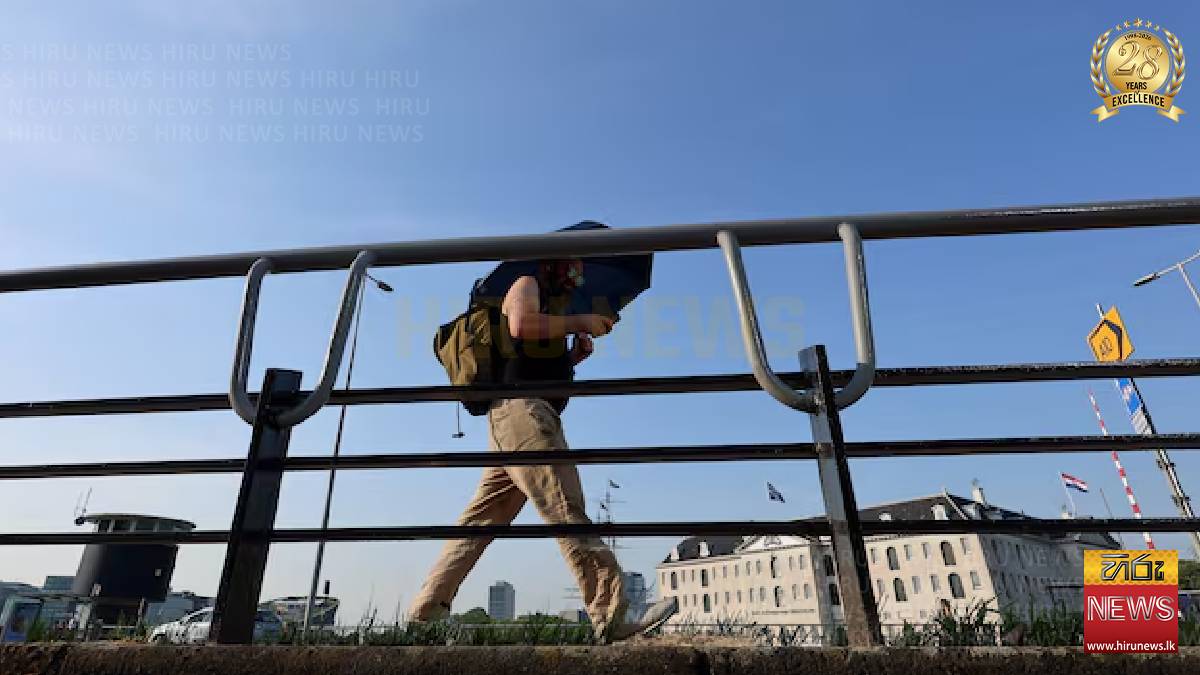
Heat wave caused nearly 480 deaths in Netherlands
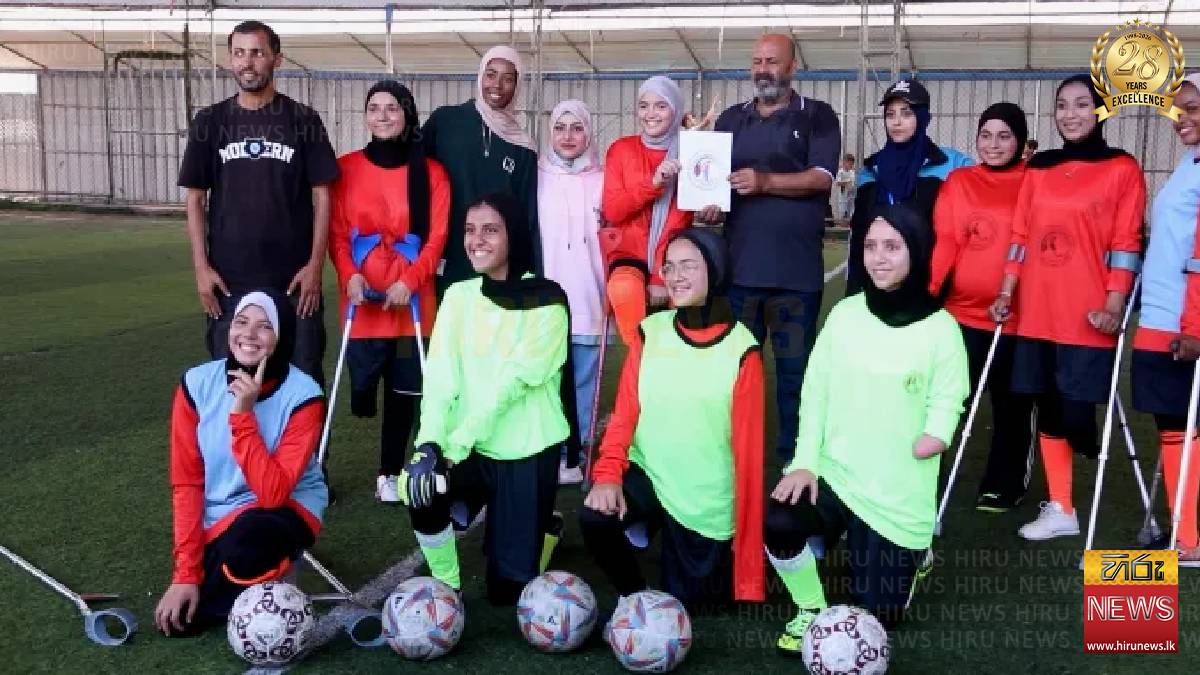
Gaza’s women’s amputee football team reclaim space
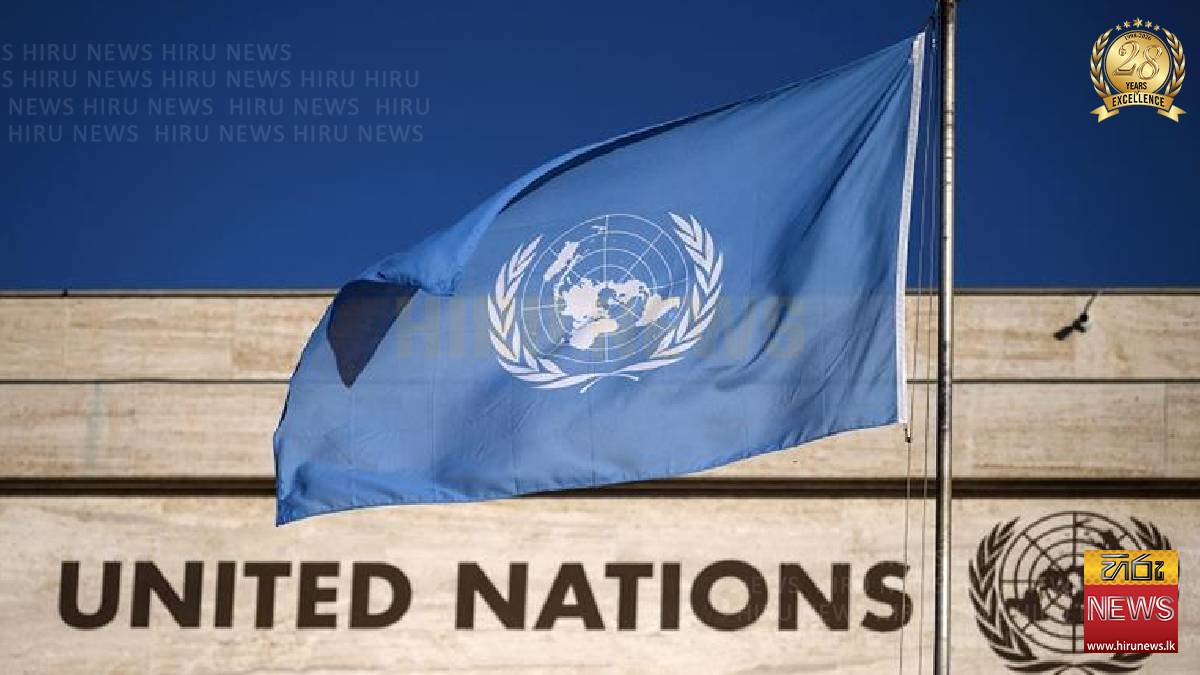
UN rights office to close Burkina Faso office
Gueye quits Senegal until coaching staff replaced

Damascus governor says bomber will be brought to justice
Death toll from Damascus likely to rise
Syrian authorities secure area after explosion
Colombo LG bodies shift to card payment facility
Mickelson disputes new misconduct allegations