




Sri Lanka’s government has reaffirmed its 5% economic growth target for 2026, despite tighter monetary policy, weaker domestic demand, and rising inflationary pressures.
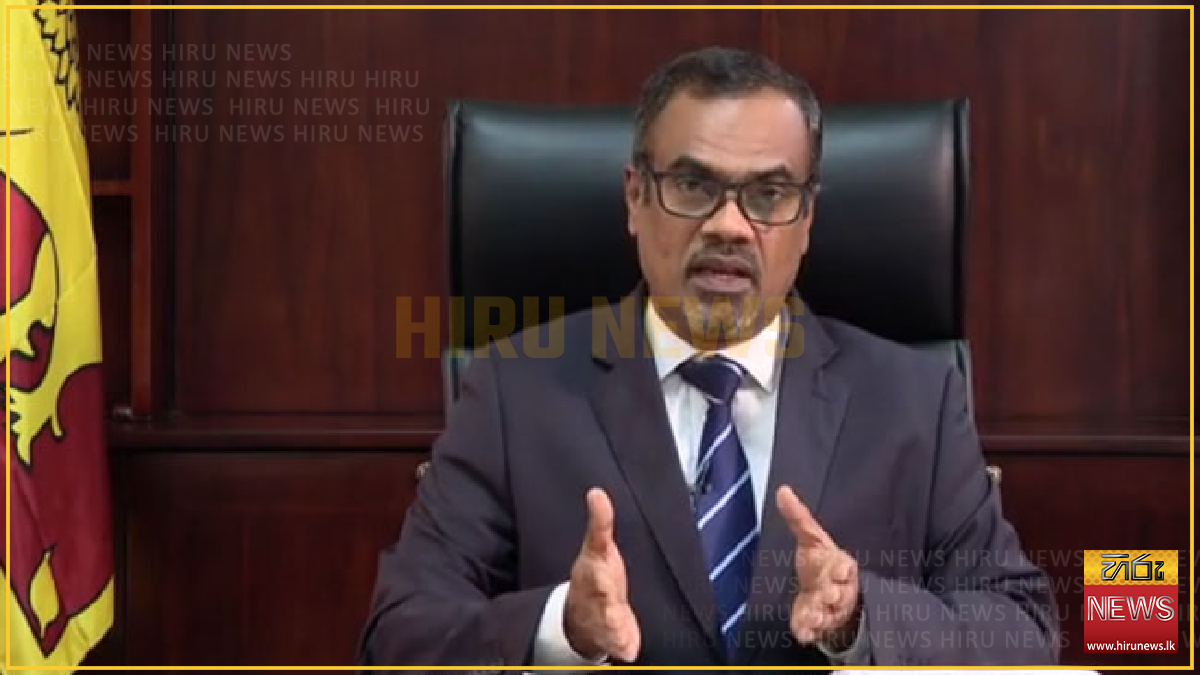
Deputy Finance Minister Anil Jayantha Fernando said the target remains unchanged following a 5.1% expansion in the March quarter, with the economy valued at about $109 billion.
The Central Bank of Sri Lanka raised its key policy rate by 100 basis points in May to 8.75%, aiming to curb excess demand and contain inflation, amid private sector credit growth of around 27%.
Officials said discussions have been held with development partners on achieving the country’s medium-term growth target of 7%. While a temporary slowdown in demand is expected due to tighter monetary conditions, authorities say capital expenditure will continue and investment will be encouraged to support medium-term recovery.
However, external forecasts remain more cautious. The International Monetary Fund has lowered Sri Lanka’s growth projection to around 3%, while the Central Bank expects growth to remain in the 4%–5% range.
Analysts say the combined impact of tighter monetary policy and sharply higher energy costs is likely to weigh on growth in the second half of 2026. Fuel prices have risen by nearly 48% following global supply disruptions, increasing transport and production costs across the economy.
The policy rate increase—introduced alongside efforts to stabilise the rupee and contain inflation, which recently reached about 5.5%—has raised borrowing costs and restricted credit expansion. This is expected to particularly affect small and medium-sized enterprises and slow private investment.
At the same time, retail fuel prices have increased significantly, with petrol at around Rs. 434 per litre and diesel at Rs. 407 per litre, pushing up logistics and operating costs across supply chains.
Authorities are also moving ahead with cost-recovery fuel pricing reforms, with subsidies expected to be gradually phased out by September 2026. Economists warn that the combined effect of imported inflation and tighter financial conditions could dampen consumer demand and moderate economic growth in the latter part of 2026.
Latest News
MDF, Thema Collection explore way forward for Lanka’s wellness tourism

Surge launches apartment management platform with free lifetime access

Union Bank among Lanka’s Top 20 women-friendly workplaces

Zelenskyy says wartime elections could ‘destroy’ Ukraine

U.S. Ambassador-designate Eric Meyer arrives in SL

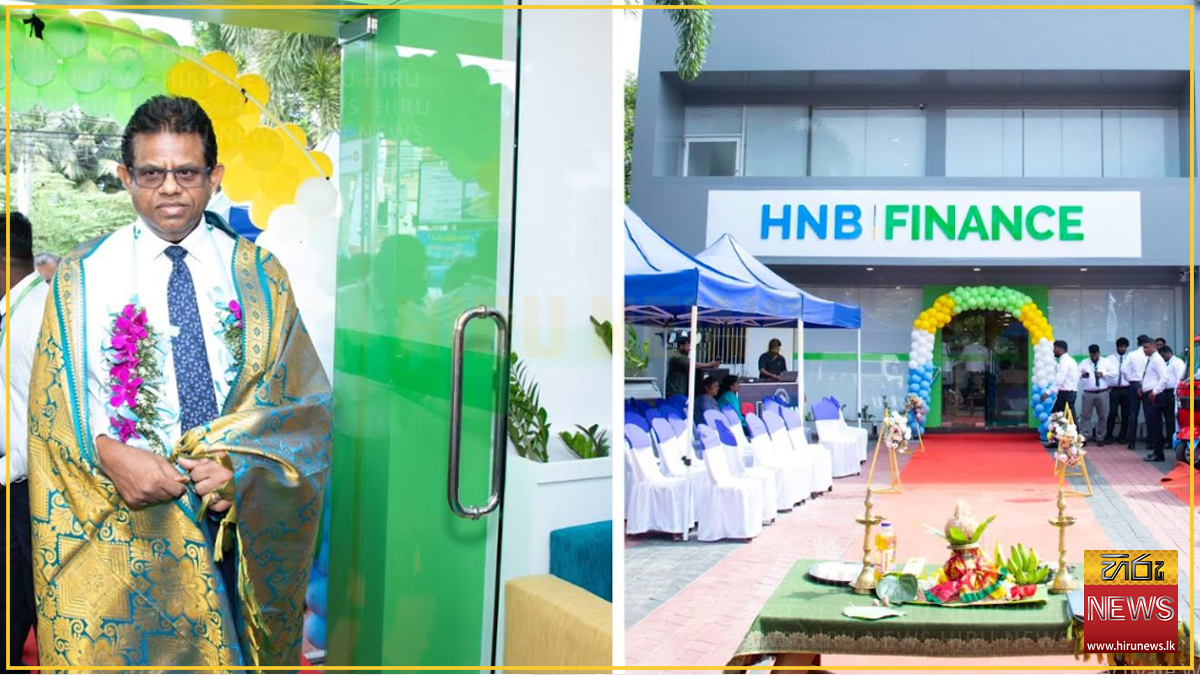
HNB FINANCE relocates Nelliady branch
NCE invites exporters to apply for Export Awards 2026

Sri Lanka backs 7.5 billion rupee loan plan for paddy purchasing
Inflows to stabilise Indian rupee against month-end demand while bonds monitor oil and yields
Sri Lanka to formally declare oil and gas exploration licensing