Share Post


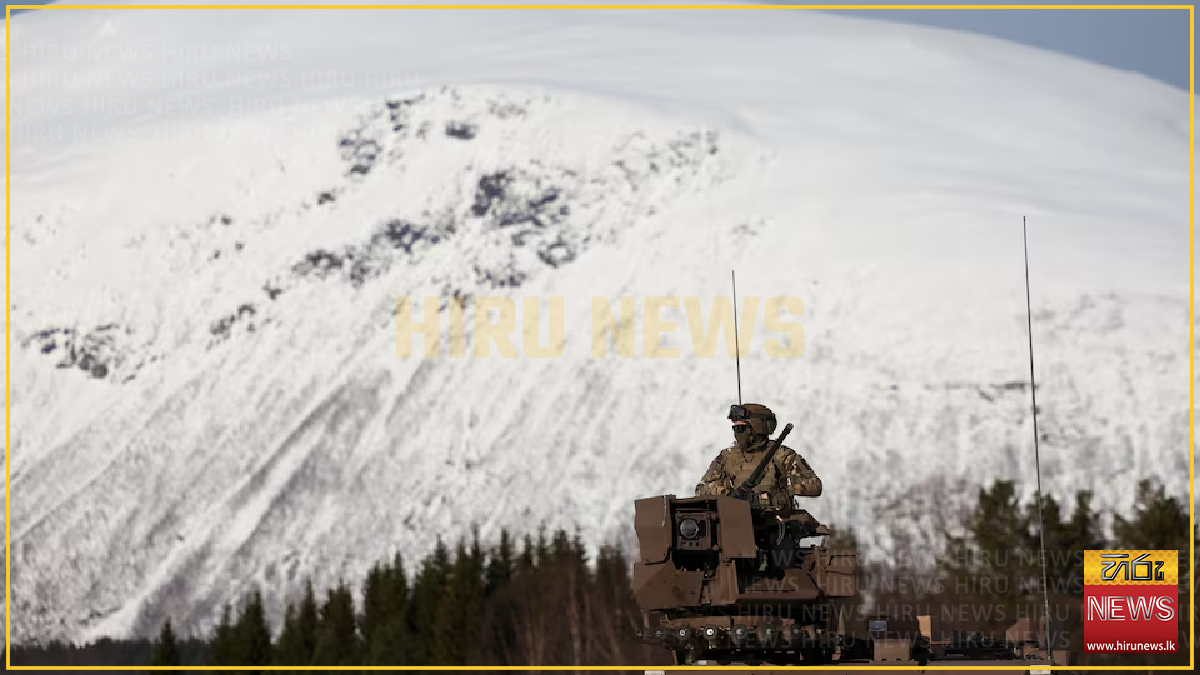
During a frozen morning in Arctic Norway, a group of British and Norwegian soldiers padded softly through a snow-blanketed birch forest.
They were on a simulated NATO reconnaissance mission, among some 30,000 troops who took part in a drill rehearsing a counter-attack against an invading “enemy to the east,” a euphemism for Russia, Norway's Arctic neighbour.
Russia has raced far ahead in Arctic defence over the past decade, modernising the world’s largest ice-breaking fleet as climate change creates new routes; and reopening dozens of Soviet-era bases in a region that provides the shortest path to the United States for its nuclear intercontinental missiles.
The exercises in March were part of a stepped-up effort called Arctic Sentry that aims to show Washington that Europe and Canada can defend the alliance’s northern flank. Secretary General Mark Rutte announced Arctic Sentry in February as he lobbied U.S. President Donald Trump to drop a push to acquire Greenland.
Rutte was successful with Trump, but significantly strengthening the alliance’s Arctic posture is more challenging, interviews with dozens of current and former NATO officials and Arctic experts show.
It requires long-term investments in a wide range of assets – including ice-breakers, submarines, drones and satellites – testing allies’ economic and military resources at a time when Trump has threatened to leave NATO altogether and Washington is withdrawing troops, planes, ships and weapons from Europe.
Through most of NATO’s eight-decade history, the inhospitable High North was low priority. But melting ice, Russia’s growing strength in a mineral-rich region larger than the United States and increased interest from China have changed that calculus.
“No major power in the 21st century will be able to maintain its position on the global scene without, in one way or another, having a strong presence in the Arctic,” Olafur Ragnar Grimsson, an ex-Icelandic president who chairs the Arctic Circle forum, the 'Davos of the Arctic,' told Reuters.
Reuters could not establish whether the United States was contributing more or less to collective Arctic defence under Arctic Sentry, which is led by Joint Force Command Norfolk, Virginia, established in 2019 with an eye on Russia’s advances in the north. In response to questions from the news agency, a NATO official said the United States remains a key contributor to NATO’s Arctic defence, noting the commitment was reaffirmed in a joint statement between the Arctic allies in June.
The Pentagon and White House did not respond to Reuters questions for this story, including whether U.S. forces involved in the Arctic defence will be impacted by a U.S. review of troops in Europe. Along with lingering worries about Trump’s ambitions in Greenland, the security review is expected to cast a shadow over a NATO summit in Ankara in July.
The White House has previously said Trump has prompted allies “to recognize the need to meaningfully contribute to their own defense,” calling the Arctic critical for U.S. national security and the economy.
Russia’s Ministry of Defence did not respond to a request for comment for this story. The Kremlin has in the past said the United States is stoking tensions in the Arctic.
-Reuters
They were on a simulated NATO reconnaissance mission, among some 30,000 troops who took part in a drill rehearsing a counter-attack against an invading “enemy to the east,” a euphemism for Russia, Norway's Arctic neighbour.
Russia has raced far ahead in Arctic defence over the past decade, modernising the world’s largest ice-breaking fleet as climate change creates new routes; and reopening dozens of Soviet-era bases in a region that provides the shortest path to the United States for its nuclear intercontinental missiles.
The exercises in March were part of a stepped-up effort called Arctic Sentry that aims to show Washington that Europe and Canada can defend the alliance’s northern flank. Secretary General Mark Rutte announced Arctic Sentry in February as he lobbied U.S. President Donald Trump to drop a push to acquire Greenland.
Rutte was successful with Trump, but significantly strengthening the alliance’s Arctic posture is more challenging, interviews with dozens of current and former NATO officials and Arctic experts show.
It requires long-term investments in a wide range of assets – including ice-breakers, submarines, drones and satellites – testing allies’ economic and military resources at a time when Trump has threatened to leave NATO altogether and Washington is withdrawing troops, planes, ships and weapons from Europe.
Through most of NATO’s eight-decade history, the inhospitable High North was low priority. But melting ice, Russia’s growing strength in a mineral-rich region larger than the United States and increased interest from China have changed that calculus.
“No major power in the 21st century will be able to maintain its position on the global scene without, in one way or another, having a strong presence in the Arctic,” Olafur Ragnar Grimsson, an ex-Icelandic president who chairs the Arctic Circle forum, the 'Davos of the Arctic,' told Reuters.
Reuters could not establish whether the United States was contributing more or less to collective Arctic defence under Arctic Sentry, which is led by Joint Force Command Norfolk, Virginia, established in 2019 with an eye on Russia’s advances in the north. In response to questions from the news agency, a NATO official said the United States remains a key contributor to NATO’s Arctic defence, noting the commitment was reaffirmed in a joint statement between the Arctic allies in June.
The Pentagon and White House did not respond to Reuters questions for this story, including whether U.S. forces involved in the Arctic defence will be impacted by a U.S. review of troops in Europe. Along with lingering worries about Trump’s ambitions in Greenland, the security review is expected to cast a shadow over a NATO summit in Ankara in July.
The White House has previously said Trump has prompted allies “to recognize the need to meaningfully contribute to their own defense,” calling the Arctic critical for U.S. national security and the economy.
Russia’s Ministry of Defence did not respond to a request for comment for this story. The Kremlin has in the past said the United States is stoking tensions in the Arctic.
-Reuters
Latest News
EU opens antitrust probe into Sanofi's flu vaccine campaign
Local
26 June 2026

CSE sees minor gains
Local
26 June 2026

Canada rejects majority of World Cup visa applications from Indians
Local
26 June 2026

Court extends remand of physiotherapist murder suspects
Local
26 June 2026

French police urge to halt Pride march or face ban
Local
26 June 2026

Aquamarine TV series lands pilot order at Disney+
Local
26 June 2026

BRICS crucial for security ties, says PM Modi
Local
26 June 2026
House of the Dragon Season 3 draws 21.5 million viewers
Local
26 June 2026

'Donkey' set for 2028 release
Local
26 June 2026

Love Island USA contestant removed over racial slur use
Local
26 June 2026