



Share Post


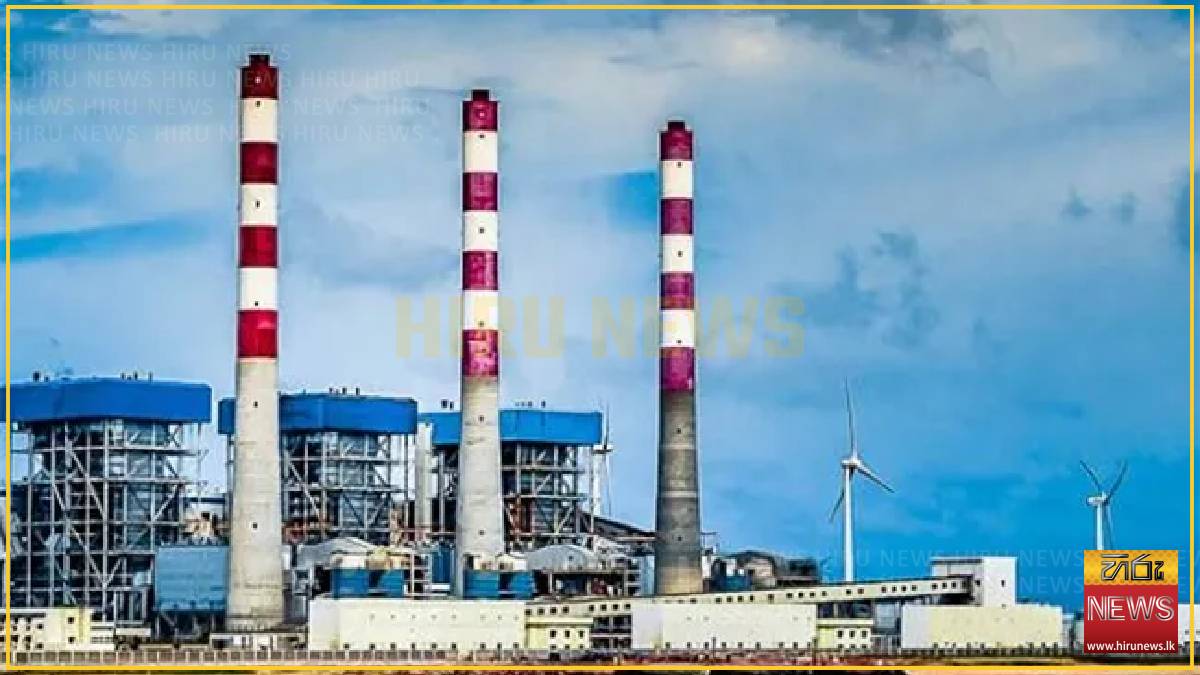
A recent warning from Energy Minister Anura Karunathilaka regarding a potential 200-megawatt power deficit in early 2027 highlights Sri Lanka's continued vulnerability to changing weather patterns.
Although unexpected rainfall in July replenished key reservoirs such as Samanalawewa and temporarily boosted hydroelectric output, authorities warn against complacency ahead of a forecasted El Niño dry spell in the first quarter of 2027.
While the government has promised to avoid widespread blackouts by relying on diesel-fired thermal generation, this contingency plan carries significant financial and environmental risks.
Although substituting hydro generation with expensive imported fuel prevents power cuts, it severely strains foreign currency reserves, drives up electricity production costs, and ultimately imposes higher tariffs on consumers and businesses.
Continually resorting to emergency fossil fuels during droughts remains financially unsustainable and undermines the nation's broader clean energy transition goals.
To modernise the grid, the Ministry of Power and Energy plans to deploy 160 megawatts of Battery Energy Storage Systems by the end of 2026, with tenders for an additional 400 megawatts planned.
However, battery storage merely stabilises the grid rather than generating new power, requiring consistent renewable input to charge effectively.
Without a rapid expansion of underlying solar and wind capacity, these storage systems risk remaining underutilised or dependent on costly thermal plants for charging.
Effectively preparing for the anticipated power deficit requires a multi-pronged approach led by the rapid rollout of solar and wind infrastructure.
Streamlining rooftop solar installations and fast-tracking commercial utility-scale projects will allow daytime solar power to charge battery systems for peak evening demand.
Simultaneously, coordinated water-budgeting protocols between the Irrigation Department and Electricity Generation Lanka (Pvt) Ltd must carefully manage reservoir levels through late 2026 to safeguard hydroelectric output.
Alongside supply measures, demand-side management must be prioritised through structured energy efficiency campaigns, time-of-use tariffs, and incentives for commercial consumers to shift heavy operations away from peak hours.
Integrating battery storage with variable renewable power will also require an upgraded, automated control centre to ensure grid stability.
Finally, if thermal power is required as a last resort, advance fuel procurement contracts should be negotiated to secure better pricing and cushion consumers from global market volatility.
Ultimately, the anticipated 2027 El Niño dry spell presents an opportunity for structural reform.
By combining battery storage with aggressive solar deployment, coordinated water management, and smart grid upgrades, Sri Lanka can turn a potential crisis into a more resilient, clean, and self-sufficient energy system.
Although unexpected rainfall in July replenished key reservoirs such as Samanalawewa and temporarily boosted hydroelectric output, authorities warn against complacency ahead of a forecasted El Niño dry spell in the first quarter of 2027.
While the government has promised to avoid widespread blackouts by relying on diesel-fired thermal generation, this contingency plan carries significant financial and environmental risks.
Although substituting hydro generation with expensive imported fuel prevents power cuts, it severely strains foreign currency reserves, drives up electricity production costs, and ultimately imposes higher tariffs on consumers and businesses.
Continually resorting to emergency fossil fuels during droughts remains financially unsustainable and undermines the nation's broader clean energy transition goals.
To modernise the grid, the Ministry of Power and Energy plans to deploy 160 megawatts of Battery Energy Storage Systems by the end of 2026, with tenders for an additional 400 megawatts planned.
However, battery storage merely stabilises the grid rather than generating new power, requiring consistent renewable input to charge effectively.
Without a rapid expansion of underlying solar and wind capacity, these storage systems risk remaining underutilised or dependent on costly thermal plants for charging.
Effectively preparing for the anticipated power deficit requires a multi-pronged approach led by the rapid rollout of solar and wind infrastructure.
Streamlining rooftop solar installations and fast-tracking commercial utility-scale projects will allow daytime solar power to charge battery systems for peak evening demand.
Simultaneously, coordinated water-budgeting protocols between the Irrigation Department and Electricity Generation Lanka (Pvt) Ltd must carefully manage reservoir levels through late 2026 to safeguard hydroelectric output.
Alongside supply measures, demand-side management must be prioritised through structured energy efficiency campaigns, time-of-use tariffs, and incentives for commercial consumers to shift heavy operations away from peak hours.
Integrating battery storage with variable renewable power will also require an upgraded, automated control centre to ensure grid stability.
Finally, if thermal power is required as a last resort, advance fuel procurement contracts should be negotiated to secure better pricing and cushion consumers from global market volatility.
Ultimately, the anticipated 2027 El Niño dry spell presents an opportunity for structural reform.
By combining battery storage with aggressive solar deployment, coordinated water management, and smart grid upgrades, Sri Lanka can turn a potential crisis into a more resilient, clean, and self-sufficient energy system.
Latest News
China calls Taiwan's annual military drills a 'wasteful charade'
Local
14 August 2026

Russia jails man for 23 years for spying for Poland
Local
14 August 2026

Beauty industry prepayment losses up almost 18 times to over $1.9 million in first half of 2026
Local
14 August 2026

'Ski Sunday' host Chemmy Alcott suffers collapsed lung after jumping into lake
Local
14 August 2026

After Shah Rukh Khan, Rani Mukerji receives La Trobe Honorary Doctorate, Wins IFFM Special Citation
Local
14 August 2026

Many regions dry up further, drinking water in severe crisis
Local
14 August 2026
Instagram unveils new logo in a decade
Local
14 August 2026

Ceylinco Life crosses Rs. 300 Bn. assets milestone
Local
14 August 2026

Siyapatha Finance removes a tonne of plastic in Sri Pada cleanup
Local
14 August 2026

Suspects abandoned four-year-old girl arrested
Local
14 August 2026