



Share Post


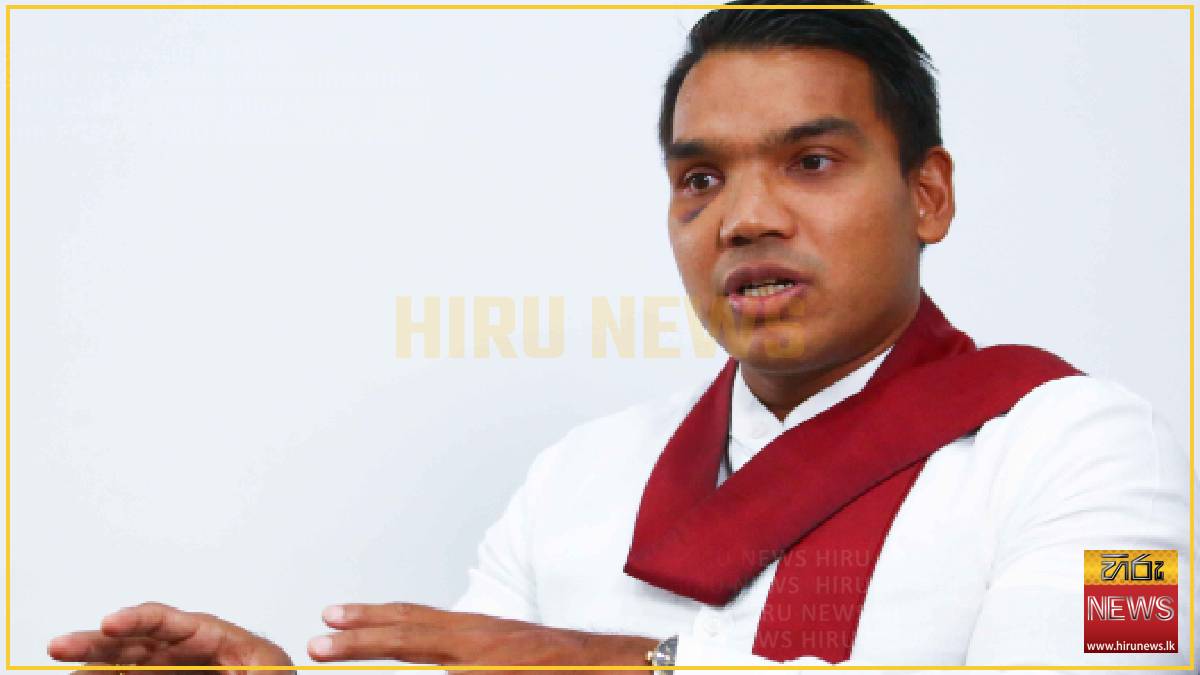
Sri Lanka Podujana Peramuna (SLPP) National Organiser, Parliamentarian Namal Rajapaksa, heavily criticised President Anura Kumara Dissanayake, demanding the administration disclose the identities of the "seniors and experts" consulted regarding proposed changes to the country's judicial framework.
Speaking to journalists at the SLPP headquarters in Nelum Mawatha, Rajapaksa voiced strong concerns over executive decisions that he warned could directly compromise judicial independence. He questioned who the legal experts advising the President actually are, noting that the President claims to have consulted senior figures in the field before making these decisions.
Rajapaksa highlighted widespread opposition to the government's plans from key legal and international stakeholders, pointing out that the Bar Association of Sri Lanka (BASL), sitting judges, the Commonwealth Lawyers Association, Asian Lawyers' Association, and the United Nations all raised red flags over potential threats to the rule of law.
He stated that if major legal bodies and international organisations informed the executive that this lack of clarity risks undermining judicial independence, the President appears desperate to grab public attention despite the political risk.
Addressing systemic delays in the legal sector, the MP argued that extending retirement ages or terms will not resolve court backlogs, emphasising that meaningful reform requires expanding lower courts and High Courts rather than introducing temporary fixes.
Focusing on the administration's governance record, Rajapaksa criticised the President, who also oversees the Finance portfolio, for unresolved security and financial lapses, noting that failing to address critical issues like high-profile port smuggling operations or financial breaches signals distraction tactics.
Rajapaksa also emphasised that the President lack of transparency regarding state dialogue, questioning why concerns submitted by the Bar Association were not released to the media alongside official executive statements.
He noted that the President failed to publicly address inquiries forwarded by the Chief Prelates of the Malwatte and Asgiriya Chapters, adding that the government reached a point where it is willing to compromise public interest and state institutions simply for political survival.
Speaking to journalists at the SLPP headquarters in Nelum Mawatha, Rajapaksa voiced strong concerns over executive decisions that he warned could directly compromise judicial independence. He questioned who the legal experts advising the President actually are, noting that the President claims to have consulted senior figures in the field before making these decisions.
Rajapaksa highlighted widespread opposition to the government's plans from key legal and international stakeholders, pointing out that the Bar Association of Sri Lanka (BASL), sitting judges, the Commonwealth Lawyers Association, Asian Lawyers' Association, and the United Nations all raised red flags over potential threats to the rule of law.
He stated that if major legal bodies and international organisations informed the executive that this lack of clarity risks undermining judicial independence, the President appears desperate to grab public attention despite the political risk.
Addressing systemic delays in the legal sector, the MP argued that extending retirement ages or terms will not resolve court backlogs, emphasising that meaningful reform requires expanding lower courts and High Courts rather than introducing temporary fixes.
Focusing on the administration's governance record, Rajapaksa criticised the President, who also oversees the Finance portfolio, for unresolved security and financial lapses, noting that failing to address critical issues like high-profile port smuggling operations or financial breaches signals distraction tactics.
Rajapaksa also emphasised that the President lack of transparency regarding state dialogue, questioning why concerns submitted by the Bar Association were not released to the media alongside official executive statements.
He noted that the President failed to publicly address inquiries forwarded by the Chief Prelates of the Malwatte and Asgiriya Chapters, adding that the government reached a point where it is willing to compromise public interest and state institutions simply for political survival.
Latest News
Movie that went viral for terrible animation becomes China box office hit
Local
17 August 2026

Australia ponder way forward after 'most humbling' test defeat to Bangladesh
Local
17 August 2026

Sri Lanka Tourism Excellence Awards launched to recognise industry leaders
Local
17 August 2026

China leads wave of clean power wastage as grids globally hit limits
Local
17 August 2026

Russian court jails a Kremlin critic for 11 years for opposing the war in Ukraine
Local
17 August 2026
Uber, Zipline partner on US drone delivery for Uber Eats
Local
17 August 2026

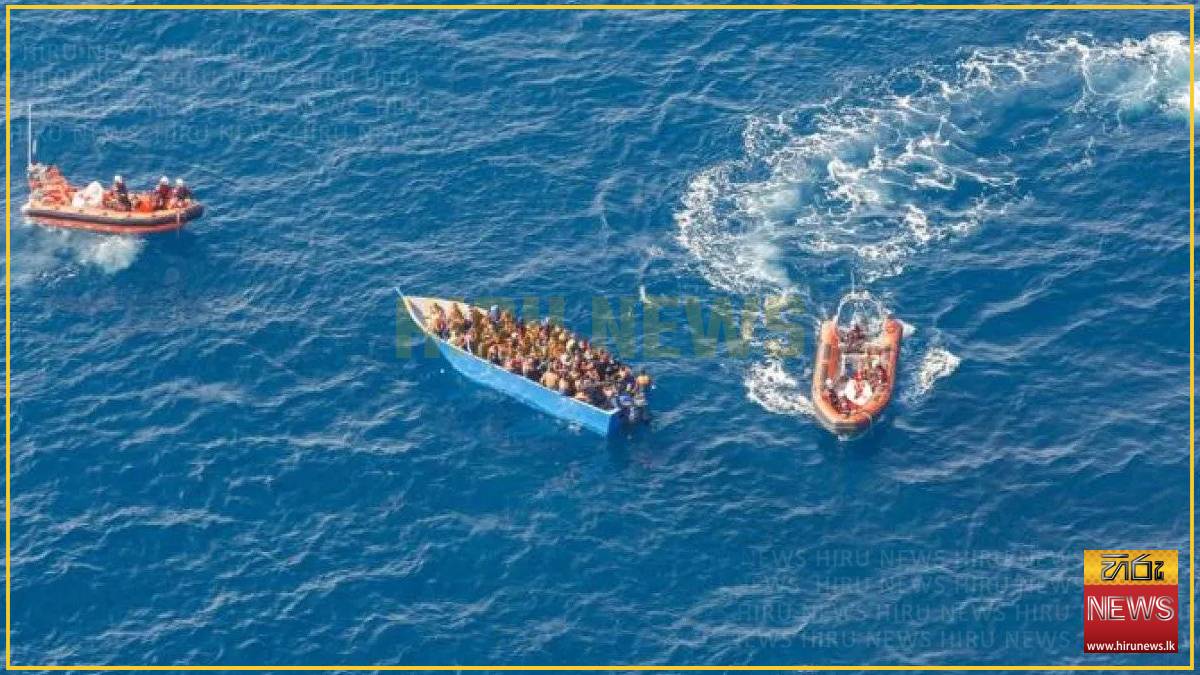
Charity boat rescues 50 migrants off Libya, seven found dead
Local
17 August 2026
Canadian dollar hits two-week high as inflation accelerates
Local
17 August 2026

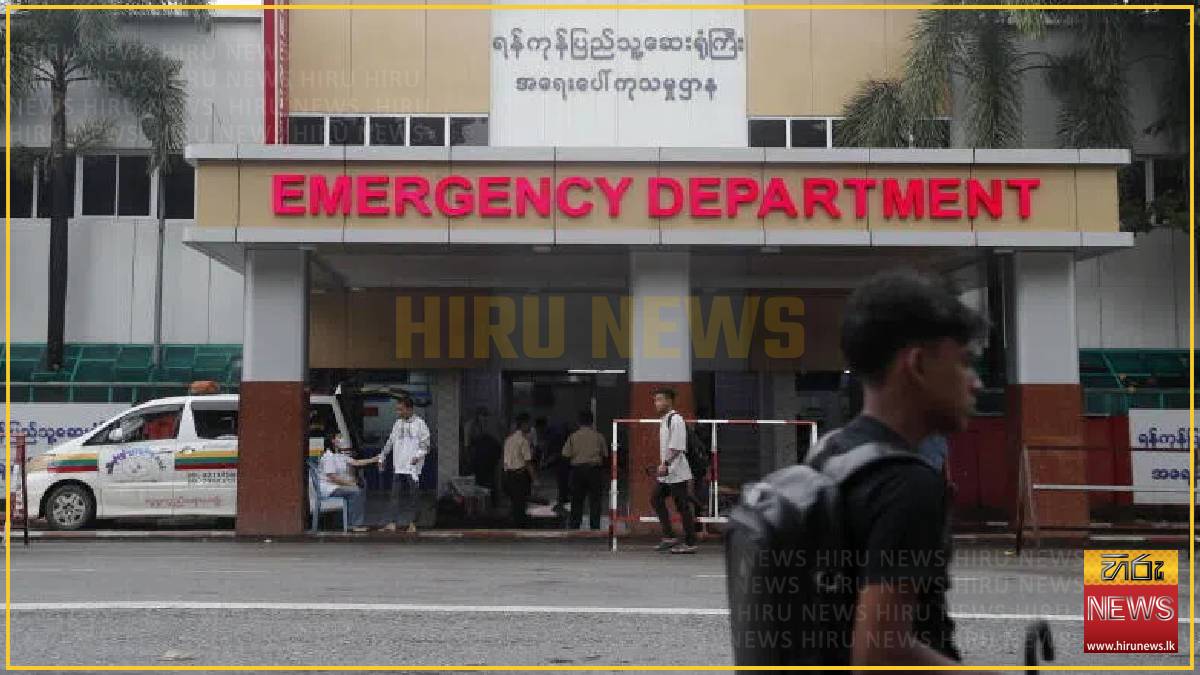
Hundreds hospitalised in Yangon cholera outbreak: Minister
Local
17 August 2026
Cagliari's Trepy in intensive care after reported pool incident
Local
17 August 2026








