


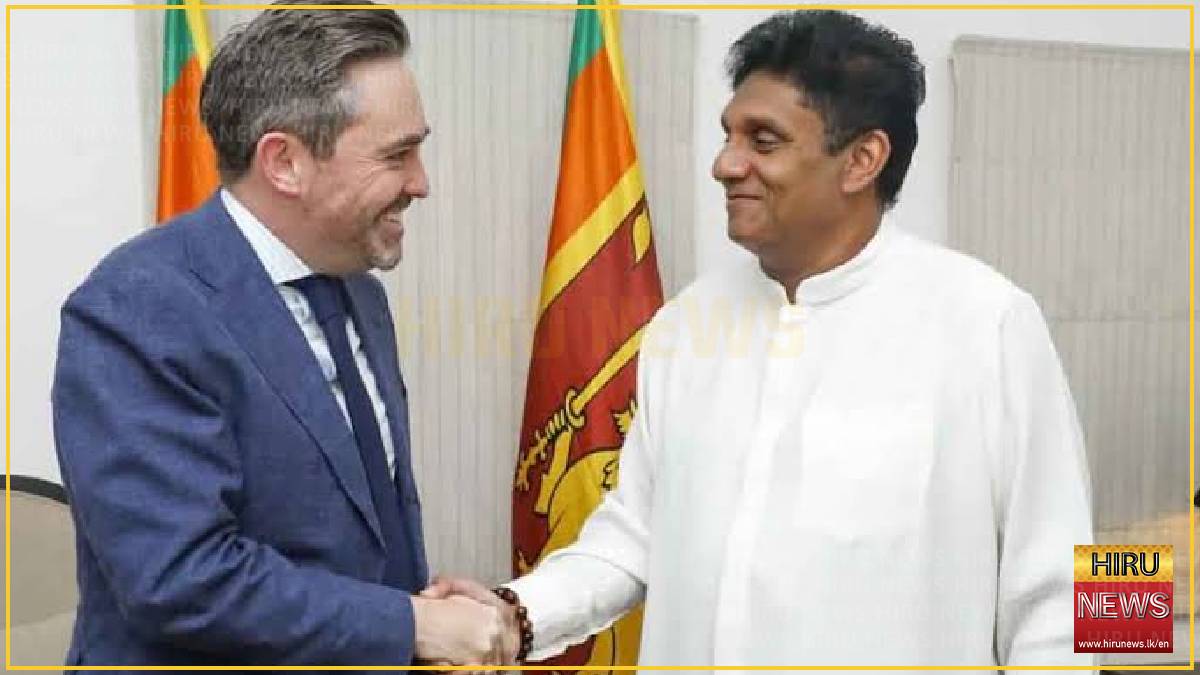


Leader of the Opposition Sajith Premadasa has emphasised that Sri Lanka must adopt an integrated national resilience framework uniting democratic governance, constitutional institutions, economic recovery, climate change preparedness, and social protection, rather than treating them as isolated sectors.
He made these remarks during a meeting today with the United Nations Resident Coordinator in Sri Lanka, Marc-André Franche. Premadasa pointed out that democracy must extend beyond elections and be reinforced through the rule of law, separation of powers, independent institutions, parliamentary accountability, transparency, fundamental rights, and public participation.
Highlighting the necessity for robust independent institutions that function effectively regardless of who holds political power, the Opposition Leader stressed that constitutional amendments should reinforce long-term institutional safeguards and balances of power. Addressing climate preparedness, particularly regarding El Niño and La Niña phenomena, Premadasa urged Sri Lanka to shift from reactive disaster response to an anticipatory system based on climate forecasts, early action, and pre-allocated financing. He noted that such climate events pose broader economic and social risks across agriculture, water security, food prices, livelihoods, energy, health, poverty, and public finance.
Premadasa proposed exploring a national programme for climate early warning and action that integrates UN agencies, Sri Lankan state bodies, specialised institutions, universities, the private sector, and civil society, adding that climate risks must be incorporated into national economic and financial planning. He further stated that economic recovery should not be measured solely by macroeconomic stability, but also by purchasing power, employment, real wages, regional equity, youth opportunities, women's economic participation, rural livelihoods, and the quality of public services.
Latest News
Foreign outflows from CSE surge as investors await rating upgrade

Is the 'American Cheetah', really a Cheetah?

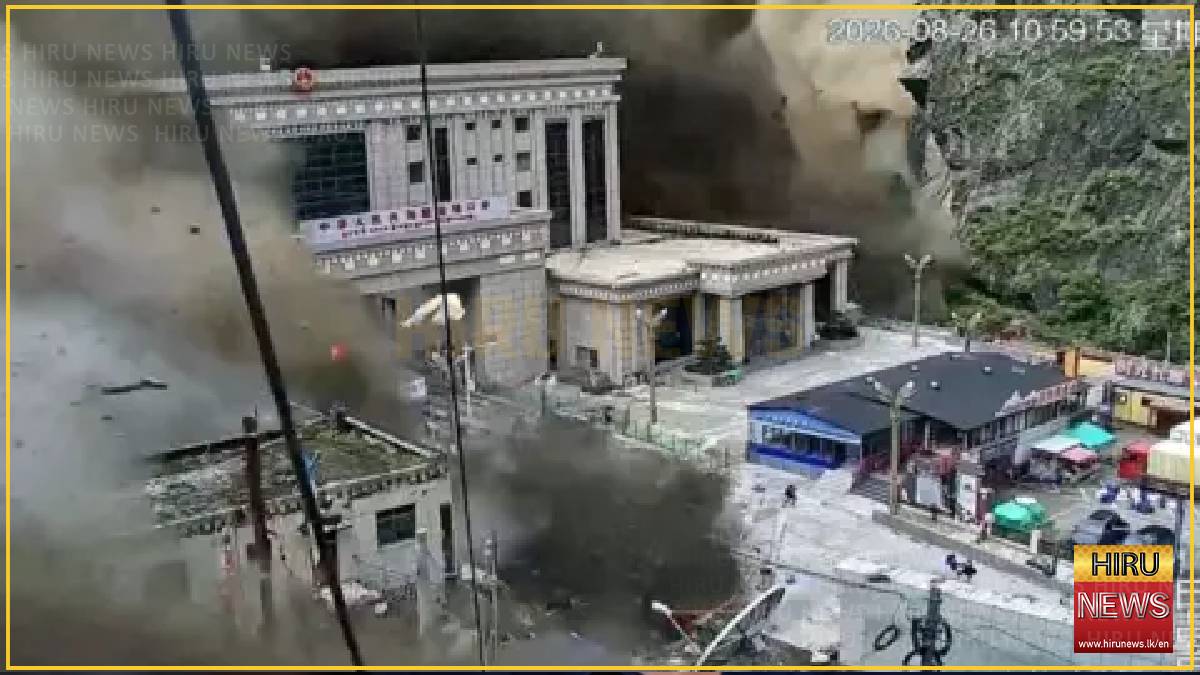
Floods erase key China-Nepal border crossing
Mel Gibson promises new details in ‘The Resurrection’

Jimmy Kimmel and ‘Jeopardy!’ score Emmys again

Octavia Spencer Wins First Emmy

‘Evil Dead’ star Bruce Campbell reveals five-year cancer prognosis

Pattinson’s ‘Primetime’ gets standing ovation at Venice

Germany plans anti-sabotage shield after airport drone attack

Indonesia’s Anak Krakatau eruption disrupts flights, schools