


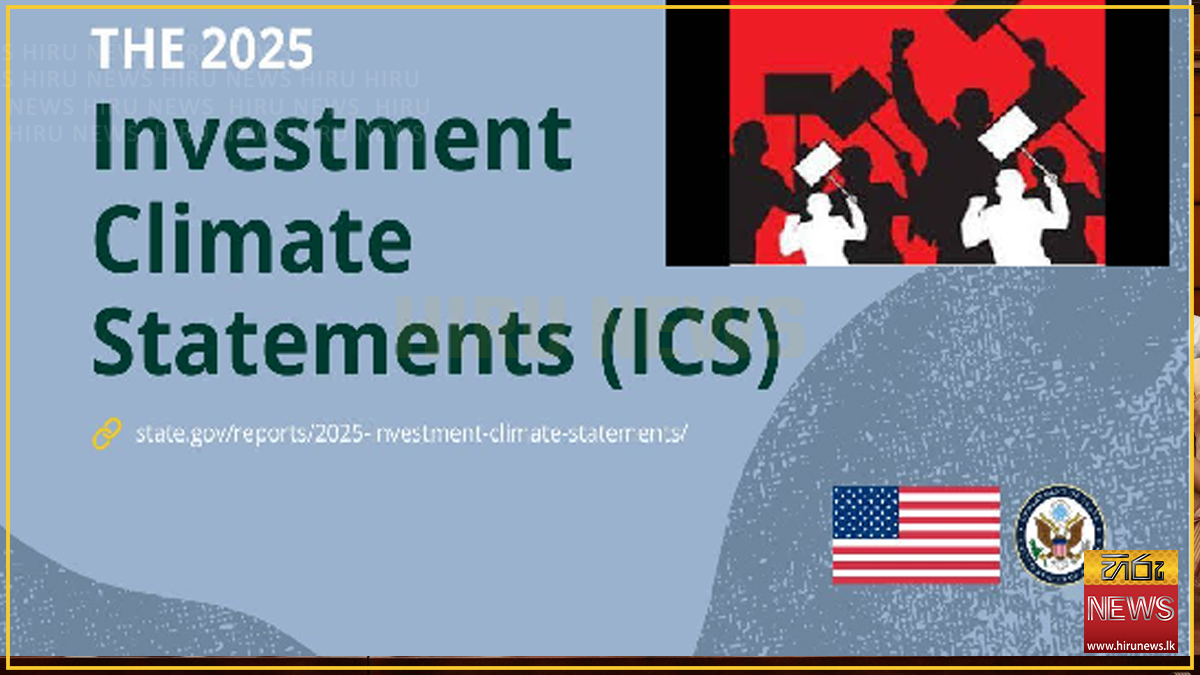


Most major trade unions in Sri Lanka maintain political party affiliations, contributing to a highly politicized labor environment, according to a US State Department report on Sri Lanka’s investment climate published in September 2025.
The report notes that trade union membership accounts for approximately 9.5% of the workforce, with employees increasingly reluctant to obtain new membership. Sri Lanka hosts over 2,000 registered trade unions, many with fewer than 50 members, and about 18% of workers in the industrial and service sectors belong to unions.
All workers, except those in the police, military, prison service, and designated essential services, possess the right to strike. Union representation is common in large private enterprises but rare in small-scale operations. The tea plantation sector and the public sector maintain high unionization rates.
Collective bargaining exists but remains limited in scope. While roughly 25% of the Employers’ Federation of Ceylon’s 660 member companies have unionized workforces, only about 90 companies operate under formal collective bargaining agreements.
The report also confirms that Sri Lankan law prohibits forced and compulsory labor, and child labor restrictions effectively eliminate the practice in formal sectors, although violations persist in the informal economy.
The National Minimum Wage, last amended in March 2024, sets monthly minimums at LKR 17,500 (approx. $57) and daily rates at LKR 700 (approx. $2.10).
A 2021 national survey found that 62% of workers participate in the informal economy, mostly as self-employed individuals in agriculture.
Latest News
Norway rejects US claim on forced labour and opposes tariffs
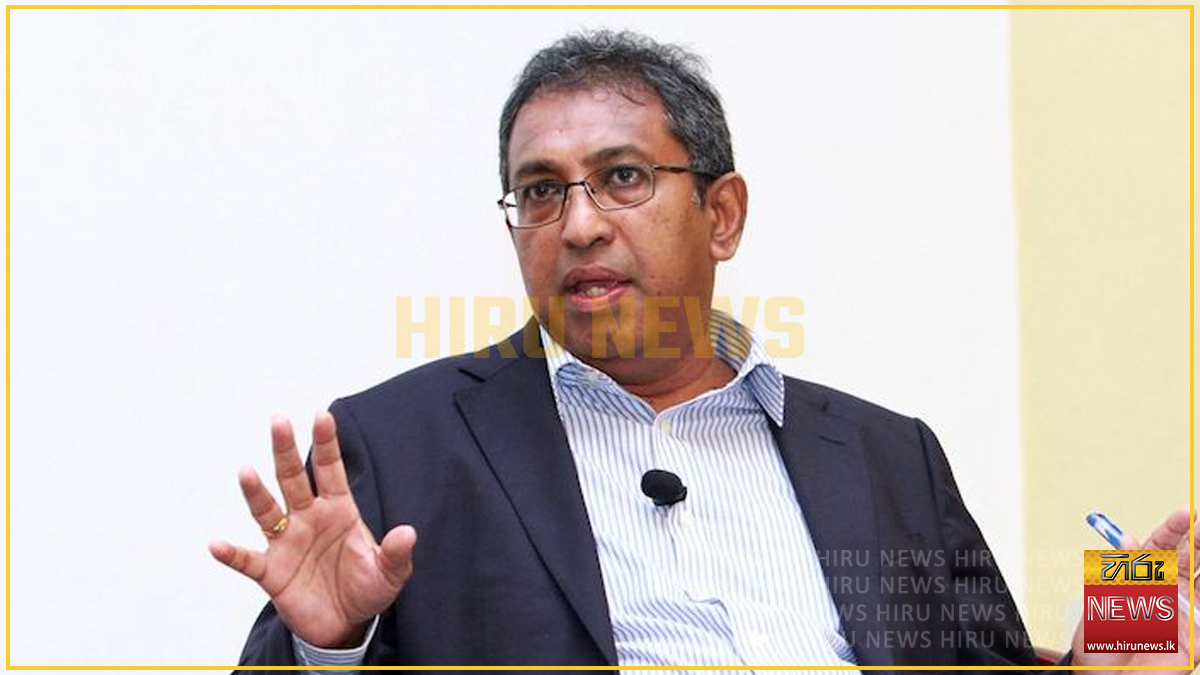
Harsha de Silva warns of rising pressure on Rupee amid weak market confidence
Rumesh Tharanga wins Rome Diamond League with historic throw

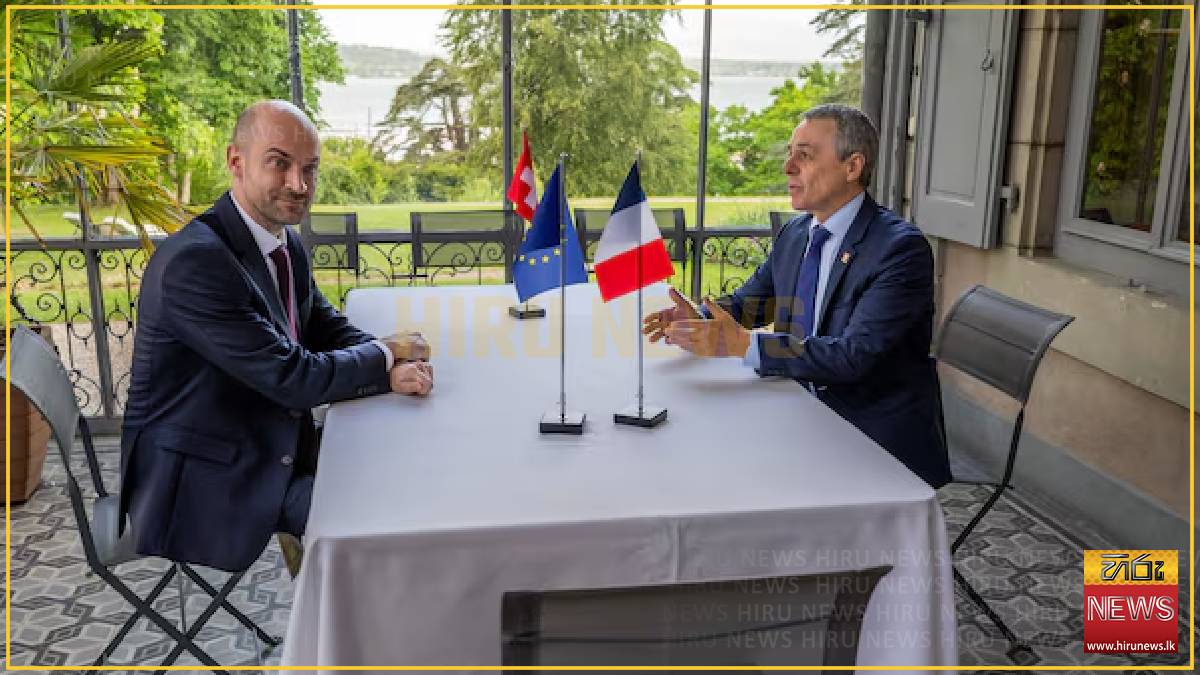
France, Switzerland seal joint military plan for G7 summit
Why is this teen fashion brand closing its fitting rooms?
Hospitality jobs boom as US prepares for World Cup

Greece to tax gains from crypto

Mangrove forests are healing after decades
Need to stop AI developing without humans, says Anthropic co-founder
DS edge out Prince of Wales in close encounter