


Share Post


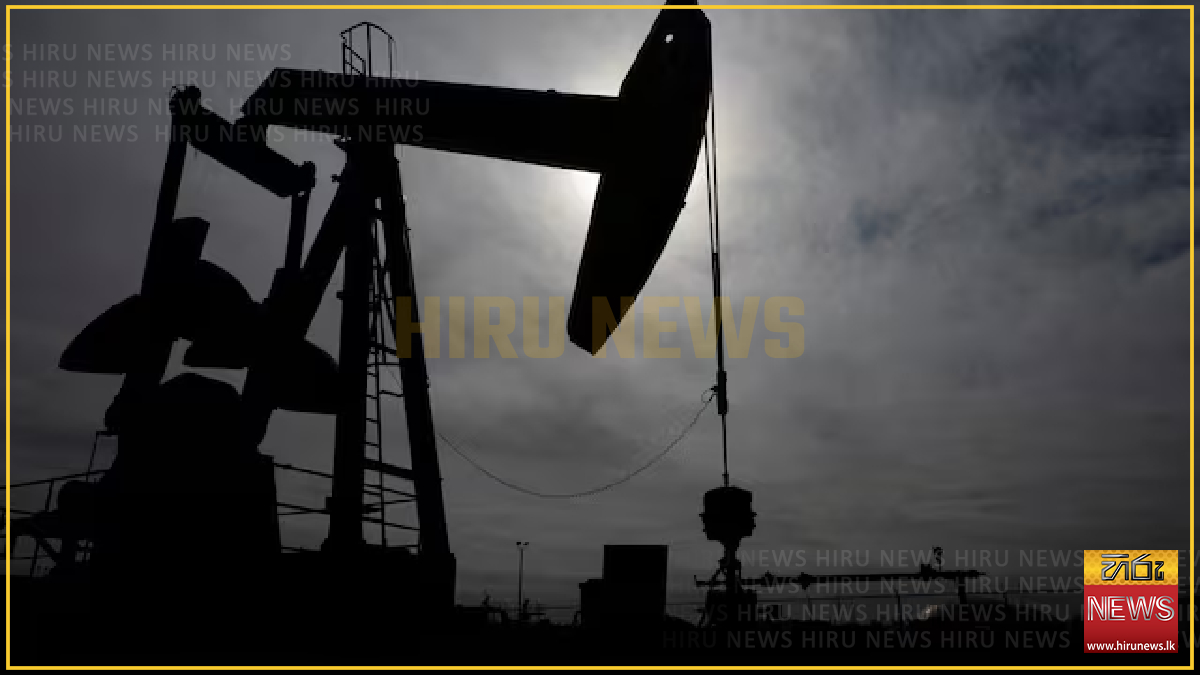
Oil prices jumped on Thursday as Tehran declared the critical energy chokepoint, the Strait of Hormuz, closed after the U.S. launched additional strikes against Iran and as President Donald Trump vowed even more attacks if no peace deal is secured.
Brent futures rose $1.48, or 1.59%, to $94.58 a barrel as of 0243 GMT, while U.S. West Texas Intermediate (WTI) crude climbed $1.71, or 1.90%, to $91.74. U.S. crude futures gained more than $3 earlier in the session.
Iran's top joint military command announced the closure of the Strait of Hormuz on Thursday, including oil tankers and commercial ships, saying any vessel attempting passage will be shot at.
"It once again suggests a deal is still some way off and that energy flows from the Persian Gulf will remain heavily constrained," said ING analysts in a note to clients.
The renewed escalation in fighting prompted oil prices to rally in early morning trading, they said.
On Wednesday, the U.S. military said on X that commercial ships continue to transit in and out of the strait.
It also said no U.S. warships have been struck in the strait, after Iran's state media reported U.S. ships near the waterway were targeted by missiles and drones.
U.S. forces began launching additional strikes against multiple targets in Iran at 5:15 p.m. EDT (21:15 GMT), the latest in an escalating exchange of attacks that threaten to reignite a full-scale war, which was paused in early April when the two sides agreed to a fragile ceasefire.
Trump told Fox News reporter Trey Yingst on Wednesday evening that the strikes would stop shortly but that he would "bomb the shit out of them" if Iran's leaders did not sign an agreement with the U.S. immediately.
Iran's months-long blockade of the strait, which normally carries a fifth of global oil and gas shipments, has kept oil prices elevated.
Meanwhile, U.S. crude inventories fell by 7.2 million barrels to 426.5 million barrels in the week ended June 5, the EIA said on Wednesday, compared with analysts' expectations in a Reuters poll for a 4 million-barrel draw.
U.S. crude inventories, including those from strategic reserves, have fallen by 79 million barrels since the Iran war began on February 28, as the top global producer moved to plug supply gaps after the strait was effectively shut.
Underscoring the squeeze, OPEC output in May slid to its lowest level in over two decades, a Reuters survey showed, as a U.S. naval blockade curbed Iran's exports and Tehran's effective closure of the strategic waterway slashed shipments from other Gulf producers.
-Reuters
Brent futures rose $1.48, or 1.59%, to $94.58 a barrel as of 0243 GMT, while U.S. West Texas Intermediate (WTI) crude climbed $1.71, or 1.90%, to $91.74. U.S. crude futures gained more than $3 earlier in the session.
Iran's top joint military command announced the closure of the Strait of Hormuz on Thursday, including oil tankers and commercial ships, saying any vessel attempting passage will be shot at.
"It once again suggests a deal is still some way off and that energy flows from the Persian Gulf will remain heavily constrained," said ING analysts in a note to clients.
The renewed escalation in fighting prompted oil prices to rally in early morning trading, they said.
On Wednesday, the U.S. military said on X that commercial ships continue to transit in and out of the strait.
It also said no U.S. warships have been struck in the strait, after Iran's state media reported U.S. ships near the waterway were targeted by missiles and drones.
U.S. forces began launching additional strikes against multiple targets in Iran at 5:15 p.m. EDT (21:15 GMT), the latest in an escalating exchange of attacks that threaten to reignite a full-scale war, which was paused in early April when the two sides agreed to a fragile ceasefire.
Trump told Fox News reporter Trey Yingst on Wednesday evening that the strikes would stop shortly but that he would "bomb the shit out of them" if Iran's leaders did not sign an agreement with the U.S. immediately.
Iran's months-long blockade of the strait, which normally carries a fifth of global oil and gas shipments, has kept oil prices elevated.
Meanwhile, U.S. crude inventories fell by 7.2 million barrels to 426.5 million barrels in the week ended June 5, the EIA said on Wednesday, compared with analysts' expectations in a Reuters poll for a 4 million-barrel draw.
U.S. crude inventories, including those from strategic reserves, have fallen by 79 million barrels since the Iran war began on February 28, as the top global producer moved to plug supply gaps after the strait was effectively shut.
Underscoring the squeeze, OPEC output in May slid to its lowest level in over two decades, a Reuters survey showed, as a U.S. naval blockade curbed Iran's exports and Tehran's effective closure of the strategic waterway slashed shipments from other Gulf producers.
-Reuters
Latest News
Rough sea conditions expected islandwide coastal areas
Local
11 June 2026

East Africa to unveil budgets amid cost shocks, debt strains
Local
11 June 2026

New York's candy stores sweeten economic gloom
Local
11 June 2026

Asia Asset Finance plans Rs. 1.5bn Rights Issue
Local
11 June 2026

Protest clashes in Kashmir claim 15 lives
Local
11 June 2026

U.S. Congress delegation visits Sri Lanka Parliament
Local
11 June 2026

Sri Lanka wild elephant population rises to 7,451, latest survey reveals
Local
11 June 2026

Knicks owner-Mamdani clash prompts cancellation of Finals watch party
Local
11 June 2026

AI data centres planned to position Sri Lanka as regional hub
Local
11 June 2026

Vietnam builds world’s largest stadium despite demand questions
Local
11 June 2026