Share Post


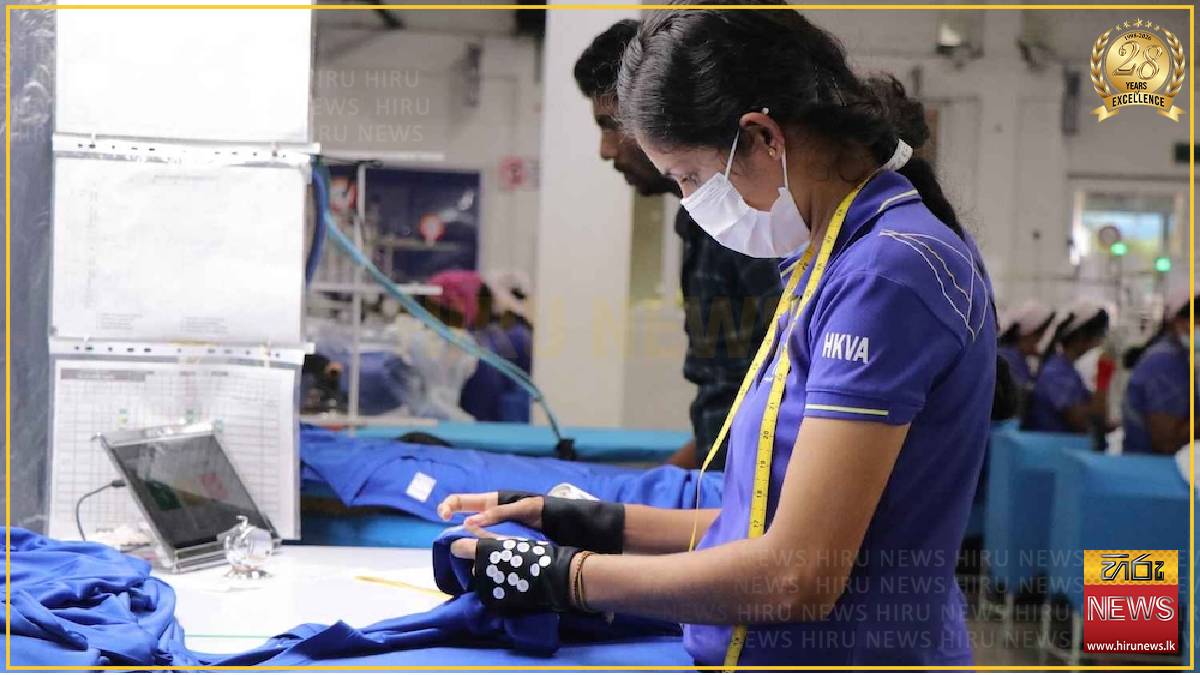
Sri Lanka’s apparel industry faces a critical period as preparations begin for reapplying to the European Union’s revised GSP+ trade preference scheme, with industry leaders warning that failure to meet tougher requirements could jeopardise one of the country’s most important export advantages.
The significance of GSP+ to Sri Lanka’s economy is underlined by the industry’s performance following the restoration of the concession in 2017. Apparel exports exceeded US$5 billion for the first time in 2018, with the sector remaining the country’s largest export earner, employing more than 350,000 people, accounting for around 40-45% of exports and contributing approximately 6-7% of GDP.
The urgency has increased following the adoption of the EU’s revised GSP regulation on 22 May 2026. From 1 January 2027, beneficiary countries will have to comply with an expanded set of obligations covering human rights, labour standards, environmental protection, governance, disability rights, child protection, labour inspection, the Paris Agreement and organised crime. The new framework also introduces a faster withdrawal mechanism and extends the review cycle from two to three years.
Although current GSP+ preferences remain in place until the end of 2028, Sri Lanka must formally reapply under the revised scheme during 2027. As part of the process, the government will be required to submit a detailed action plan demonstrating how it will meet the strengthened requirements, backed by evidence of implementation rather than policy commitments alone.
Alongside regulatory compliance, the industry also faces a long-standing commercial challenge. Sri Lanka’s utilisation of GSP+ benefits has remained between 49% and 59% in recent years, meaning a significant proportion of eligible exports fail to claim preferential access. The main obstacle is the EU’s rules of origin, which require garments to be produced using locally sourced yarn, while the country’s domestic fabric manufacturing capacity remains insufficient to meet demand.
Industry observers argue that greater investment in local textile production, regional cumulation agreements and negotiations with the EU over rules of origin could substantially improve utilisation rates and strengthen the industry’s competitiveness.
The timing is further complicated by Sri Lanka’s recent economic progress. In July 2026, the World Bank reclassified the country as an upper-middle-income economy with a gross national income of US$4,670 per capita, narrowly exceeding the qualifying threshold. While viewed as an important milestone, maintaining upper-middle-income status for three consecutive years would ultimately make Sri Lanka ineligible for GSP+.
This makes the timing of the country’s application particularly important. An early application in 2027 could help preserve continued access to the scheme and allow for a transition period, while delaying until late 2028 could increase the risk of exports reverting to standard most-favoured nation tariffs from around the middle of 2029 if a renewal is not secured.
The European Union has also urged Sri Lanka to accelerate structural reforms. EU Ambassador Carmen Moreno recently told the Sri Lankan-German Business Forum that the country had not fully capitalised on GSP+, noting that manufacturing still represents only around a quarter of GDP and calling for greater industrialisation, investment and reform ahead of the reapplication process.
Among the priorities identified are replacing the Prevention of Terrorism Act with legislation meeting international standards, addressing EU concerns relating to human rights, labour, environmental protection, climate and governance, and strengthening measures to combat illicit drugs and illegal fishing.
With the reapplication process approaching, the industry’s ability to improve utilisation of existing trade preferences while meeting the EU’s enhanced compliance requirements is expected to play a decisive role in determining the future competitiveness of Sri Lanka’s apparel exports.
-JAAF
The significance of GSP+ to Sri Lanka’s economy is underlined by the industry’s performance following the restoration of the concession in 2017. Apparel exports exceeded US$5 billion for the first time in 2018, with the sector remaining the country’s largest export earner, employing more than 350,000 people, accounting for around 40-45% of exports and contributing approximately 6-7% of GDP.
The urgency has increased following the adoption of the EU’s revised GSP regulation on 22 May 2026. From 1 January 2027, beneficiary countries will have to comply with an expanded set of obligations covering human rights, labour standards, environmental protection, governance, disability rights, child protection, labour inspection, the Paris Agreement and organised crime. The new framework also introduces a faster withdrawal mechanism and extends the review cycle from two to three years.
Although current GSP+ preferences remain in place until the end of 2028, Sri Lanka must formally reapply under the revised scheme during 2027. As part of the process, the government will be required to submit a detailed action plan demonstrating how it will meet the strengthened requirements, backed by evidence of implementation rather than policy commitments alone.
Alongside regulatory compliance, the industry also faces a long-standing commercial challenge. Sri Lanka’s utilisation of GSP+ benefits has remained between 49% and 59% in recent years, meaning a significant proportion of eligible exports fail to claim preferential access. The main obstacle is the EU’s rules of origin, which require garments to be produced using locally sourced yarn, while the country’s domestic fabric manufacturing capacity remains insufficient to meet demand.
Industry observers argue that greater investment in local textile production, regional cumulation agreements and negotiations with the EU over rules of origin could substantially improve utilisation rates and strengthen the industry’s competitiveness.
The timing is further complicated by Sri Lanka’s recent economic progress. In July 2026, the World Bank reclassified the country as an upper-middle-income economy with a gross national income of US$4,670 per capita, narrowly exceeding the qualifying threshold. While viewed as an important milestone, maintaining upper-middle-income status for three consecutive years would ultimately make Sri Lanka ineligible for GSP+.
This makes the timing of the country’s application particularly important. An early application in 2027 could help preserve continued access to the scheme and allow for a transition period, while delaying until late 2028 could increase the risk of exports reverting to standard most-favoured nation tariffs from around the middle of 2029 if a renewal is not secured.
The European Union has also urged Sri Lanka to accelerate structural reforms. EU Ambassador Carmen Moreno recently told the Sri Lankan-German Business Forum that the country had not fully capitalised on GSP+, noting that manufacturing still represents only around a quarter of GDP and calling for greater industrialisation, investment and reform ahead of the reapplication process.
Among the priorities identified are replacing the Prevention of Terrorism Act with legislation meeting international standards, addressing EU concerns relating to human rights, labour, environmental protection, climate and governance, and strengthening measures to combat illicit drugs and illegal fishing.
With the reapplication process approaching, the industry’s ability to improve utilisation of existing trade preferences while meeting the EU’s enhanced compliance requirements is expected to play a decisive role in determining the future competitiveness of Sri Lanka’s apparel exports.
-JAAF
Latest News
England captaincy could be what Root needs - Vaughan
Local
30 July 2026

Japan’s native population dips below 120 million for first time in decades
Local
30 July 2026

Smallpox DNA is recovered from Spanish conquest-era Chilean mummies
Local
30 July 2026

Indian business delegation signs two MoUs, holds talks with High Commissioner
Local
30 July 2026
Hongkong Land fund to buy Singapore’s Wheelock Place for $1.1 billion
Local
30 July 2026

Blast at Pakistan coal mine complex kills eight, dozens missing, official says
Local
30 July 2026

BP to cut 700 jobs as it simplifies company, internal email shows
Local
30 July 2026

Portugal approves 33% windfall tax on oil companies' excess profits
Local
30 July 2026
US issues sanctions targeting support networks for Iran's Mahan Air
Local
30 July 2026

CAASL to introduce ‘Passenger Drones’ to Sri Lanka
Local
30 July 2026