


Share Post


Parliament's Committee on Public Finance requested a review of the cost structure for Sri Lanka's liquor security sticker system, questioning why digital codes incur the same charges as physical stickers despite lower production costs.
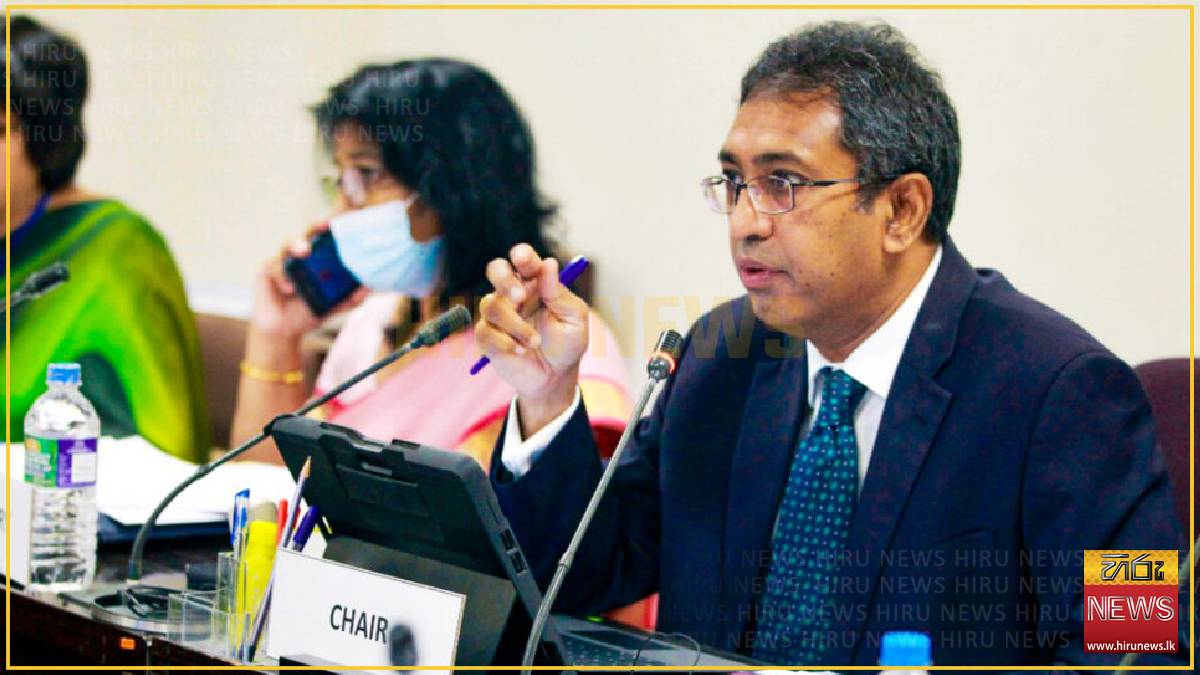
Led by Member of Parliament Dr. Harsha de Silva, the committee evaluated the fiscal benefits, technical standards, and expenses of the tracking system established after the 2016 budget to combat counterfeit alcohol and protect excise revenues.
Madras Security Printers, an Indian firm, secured the contract in 2017, and operations expanded in 2021 to include digital inkjet codes for high-speed production lines where physical stickers proved difficult to apply.
Committee members pointed out that although bottling plants required initial infrastructure investments for digital printers, digital codes typically involve fewer materials and lower expenses than paper labels, prompting demands to reassess current pricing and state economic benefits.
Furthermore, officials received instructions to adopt international ISO standards alongside a comprehensive track-and-trace mechanism spanning production to final consumption, supplemented by a mobile verification application for consumers.
As authorities contemplate a fresh tender process, the committee emphasised that evaluations must prioritise quality, pricing, security, and technical expertise among reviewing officers to prevent counterfeit imitations.
The Excise Department must examine global practices and present a formal report back to the committee.
Led by Member of Parliament Dr. Harsha de Silva, the committee evaluated the fiscal benefits, technical standards, and expenses of the tracking system established after the 2016 budget to combat counterfeit alcohol and protect excise revenues.
Madras Security Printers, an Indian firm, secured the contract in 2017, and operations expanded in 2021 to include digital inkjet codes for high-speed production lines where physical stickers proved difficult to apply.
Committee members pointed out that although bottling plants required initial infrastructure investments for digital printers, digital codes typically involve fewer materials and lower expenses than paper labels, prompting demands to reassess current pricing and state economic benefits.
Furthermore, officials received instructions to adopt international ISO standards alongside a comprehensive track-and-trace mechanism spanning production to final consumption, supplemented by a mobile verification application for consumers.
As authorities contemplate a fresh tender process, the committee emphasised that evaluations must prioritise quality, pricing, security, and technical expertise among reviewing officers to prevent counterfeit imitations.
The Excise Department must examine global practices and present a formal report back to the committee.
Latest News
FLIR, Marlbo promote smarter maintenance for SL industries
Local
30 August 2026

Iceland EU referendum on a knife-edge as counting continues
Local
30 August 2026

Australia usually hosts the world's biggest cuttlefish mating event - not this year
Local
30 August 2026

‘New Girl’ reunion is not happening: ‘there are no scripts,’ says creator Liz Meriwether
Local
30 August 2026

Norway's King Haakon honours 'dear father' Harald in first speech as sovereign
Local
30 August 2026

“Invest Sri Lanka” captivates Sydney and Melbourne
Local
30 August 2026
Asia Capital secures Rs. 1.5 Bn debt rebate for restructuring
Local
30 August 2026

Dr. Sulochana Segera and student Seneesa represent SL at historic ShakthiSAT milestone
Local
30 August 2026

South Korea names Lee Hyoung-il as new finance chief in cabinet reshuffle
Local
30 August 2026

Turkiye, Somalia forces free cargo vessel hijacked by pirates
Local
30 August 2026