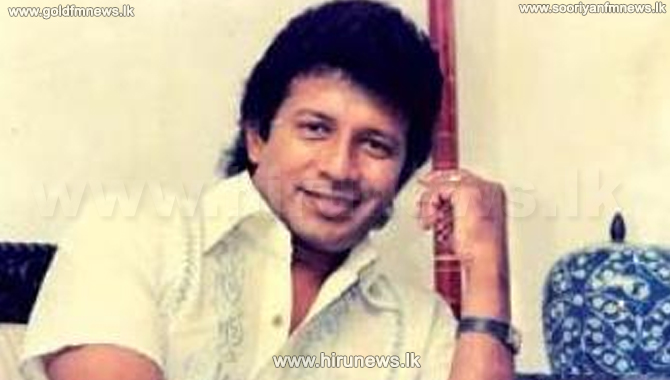
Kovilage Anton Vijaya Kumaranatunga was born on 9 October 1945 and died on 16 February 1988.
Popularly known as Vijaya Kumaratunga, he was the most popular Sri Lankan film actor at the time, a playback singer with a soothing voice and a politician in pursuit of genuine harmony between communities.
Vijaya Kumaratunga was shot in the head outside his home on 16 February 1988.
He was one of the most popular icons in cinema, and was married to former Sri Lankan President Chandrika Kumaranatunga since 1978 until his assassination in 1988.
Vijaya was the Founder of the Sri Lanka Mahajana Party.
Vijaya Kumaratunga first appeared in a lead role as a university student named Bandu in the 1969 hit 'Hanthane Kathawa'.
In a career that spanned nearly two decades, he contributed to more than 120 films, 114 of which starred the leading/major character. Some of the most popular films include Ahas Gauwa(1974), Eya Den Loku Lamayek (1975), Ponmani (1977), Bambaru Avith (1977), Ganga Addara (1980), Baddegama (1980), Paradige (1980), Maha Gedara (1980), Kedapathaka Chaya (1989), and Kristhu Charithaya (1990). He acted in one English-language film, The God King, and one Tamil film, Nanguram.
He also performed as a playback singer in several films; recorded more than 100 songs; and produced two films, Waradata Danduwam and Samawa which was released after his death. From 1983 to 1988 (once after the assassination) he was a consistently popular actor at six Sarasaviya Award Ceremonies. But he received the award for the Best Actor only for the role in Kedapathaka Chaya at the OCIC and the Swarna Sankha Festival in 1989, but he was not fortunate enough to see it.
After two years of demise, he won the Sarasaviya Award for Best Playback singer for his song 'Walakulak Gena Muwa Karumu Hiru' for Saharawe Sihiniya and his song 'Sara Guwana Vida Neguna' for the Dolos Mahe Pahana.
He founded the Sri Lanka Mahajana Party (SLMP), which campaigned for peace.
in 1986, Vijaya visited Jaffna, then controlled by the Liberation Tigers of Tamil Eelam (LTTE). He visited the Nallur Murugan Temple and met with local Tamil civilians, as well as several LTTE youth leaders.
In his final public address, to a large crowd in Colombo's Campbell Park on 28 January 1988, Kumaratunga lashed out at the UNP, SLFP, and Janatha Vimuthki Peramuna (JVP) parties for failing to address the needs of the hour.
He was known as a man of the common people who had a simplistic view of life and fought for justice and equality.
His legacy remains for his immense contribution to local cinema.
Popularly known as Vijaya Kumaratunga, he was the most popular Sri Lankan film actor at the time, a playback singer with a soothing voice and a politician in pursuit of genuine harmony between communities.
Vijaya Kumaratunga was shot in the head outside his home on 16 February 1988.
He was one of the most popular icons in cinema, and was married to former Sri Lankan President Chandrika Kumaranatunga since 1978 until his assassination in 1988.
Vijaya was the Founder of the Sri Lanka Mahajana Party.
Vijaya Kumaratunga first appeared in a lead role as a university student named Bandu in the 1969 hit 'Hanthane Kathawa'.
In a career that spanned nearly two decades, he contributed to more than 120 films, 114 of which starred the leading/major character. Some of the most popular films include Ahas Gauwa(1974), Eya Den Loku Lamayek (1975), Ponmani (1977), Bambaru Avith (1977), Ganga Addara (1980), Baddegama (1980), Paradige (1980), Maha Gedara (1980), Kedapathaka Chaya (1989), and Kristhu Charithaya (1990). He acted in one English-language film, The God King, and one Tamil film, Nanguram.
He also performed as a playback singer in several films; recorded more than 100 songs; and produced two films, Waradata Danduwam and Samawa which was released after his death. From 1983 to 1988 (once after the assassination) he was a consistently popular actor at six Sarasaviya Award Ceremonies. But he received the award for the Best Actor only for the role in Kedapathaka Chaya at the OCIC and the Swarna Sankha Festival in 1989, but he was not fortunate enough to see it.
After two years of demise, he won the Sarasaviya Award for Best Playback singer for his song 'Walakulak Gena Muwa Karumu Hiru' for Saharawe Sihiniya and his song 'Sara Guwana Vida Neguna' for the Dolos Mahe Pahana.
He founded the Sri Lanka Mahajana Party (SLMP), which campaigned for peace.
in 1986, Vijaya visited Jaffna, then controlled by the Liberation Tigers of Tamil Eelam (LTTE). He visited the Nallur Murugan Temple and met with local Tamil civilians, as well as several LTTE youth leaders.
In his final public address, to a large crowd in Colombo's Campbell Park on 28 January 1988, Kumaratunga lashed out at the UNP, SLFP, and Janatha Vimuthki Peramuna (JVP) parties for failing to address the needs of the hour.
He was known as a man of the common people who had a simplistic view of life and fought for justice and equality.
His legacy remains for his immense contribution to local cinema.