Finance ministers in Kenya, Uganda and Tanzania will present their 2026/27 budgets to parliament on Thursday, with investors focused on how they will shield their economies from cost shocks linked to the Middle East war while keeping debt in check.
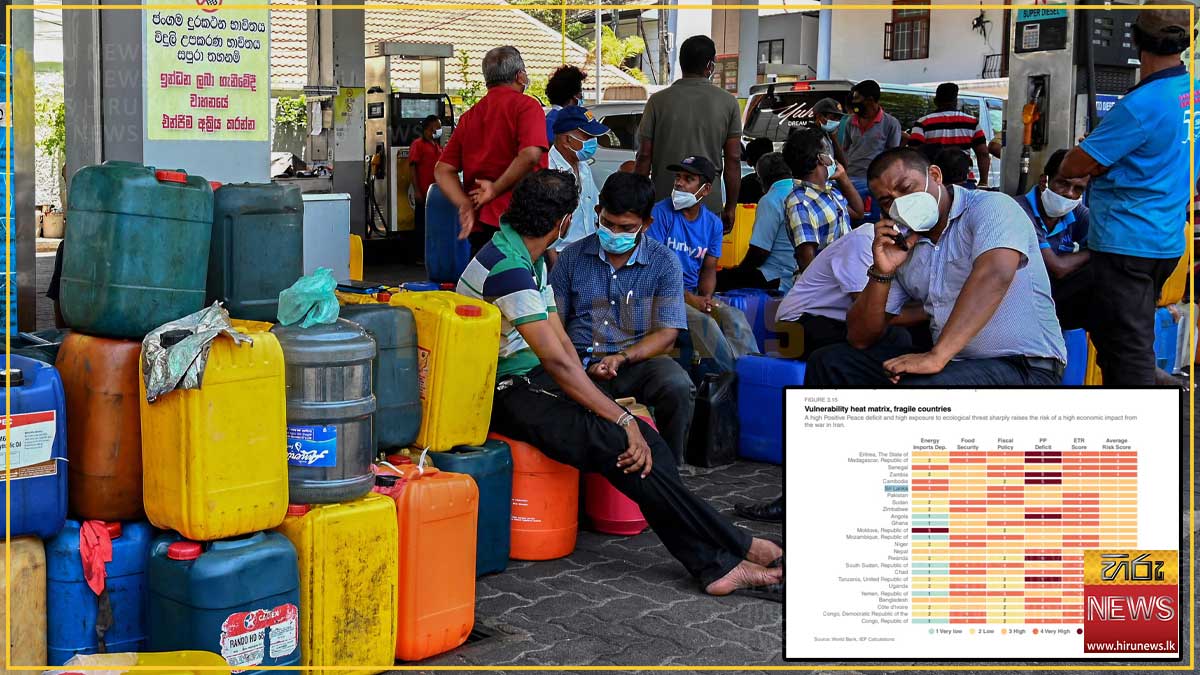
East Africa is seen as highly susceptible to the impact of the war given its reliance on petroleum and fertiliser imports - concerns which have caused the African Development Bank to cut the region's growth forecast for this year by half a percentage point.
Financial years in East Africa run from July to June.
In Kenya, the biggest economy in the region, markets will be watching to see how Finance Minister John Mbadi will balance high debt repayments, slowing growth, a temporary cut in petroleum taxes and a wide fiscal deficit.
The country has been rocked by deadly protests against high fuel prices.
"Treasury has consistently underperformed budget targets in recent years and the fiscal balance has remained in a primary deficit, insufficient to stabilize public debt and restore market confidence," said Andrew Matheny, senior economist at Goldman Sachs.
"Markets will look for evidence of a more credible fiscal path forward, consisting of either spending cuts or genuine revenue measures that narrow the deficit."
The finance ministry projected earlier this month a budget deficit of 5.4% of GDP in the fiscal year starting next month, slightly narrower than an estimated deficit of 6.4% this financial year.
President William Ruto, who faces re-election in August next year, said his government helped avert a debt default during his first two years in office.
He has also pushed to boost revenue through tougher tax enforcement, though government agencies complain of delayed funding and households say higher taxes have squeezed incomes.
In neighbouring Uganda, analysts cautioned that the Iran war shock on fuel prices could strain government spending plans.
"We should not assume a back-to-normal trend, so it's important that we have a shock mitigation measure," said Enock Nyorekwa Twinoburyo, an economics lecturer at Makerere University.
Higher oil prices are pushing up foreign currency demand, he said, "and that has manifested in foreign exchange shock".
-Reuters
East Africa is seen as highly susceptible to the impact of the war given its reliance on petroleum and fertiliser imports - concerns which have caused the African Development Bank to cut the region's growth forecast for this year by half a percentage point.
Financial years in East Africa run from July to June.
In Kenya, the biggest economy in the region, markets will be watching to see how Finance Minister John Mbadi will balance high debt repayments, slowing growth, a temporary cut in petroleum taxes and a wide fiscal deficit.
The country has been rocked by deadly protests against high fuel prices.
"Treasury has consistently underperformed budget targets in recent years and the fiscal balance has remained in a primary deficit, insufficient to stabilize public debt and restore market confidence," said Andrew Matheny, senior economist at Goldman Sachs.
"Markets will look for evidence of a more credible fiscal path forward, consisting of either spending cuts or genuine revenue measures that narrow the deficit."
The finance ministry projected earlier this month a budget deficit of 5.4% of GDP in the fiscal year starting next month, slightly narrower than an estimated deficit of 6.4% this financial year.
President William Ruto, who faces re-election in August next year, said his government helped avert a debt default during his first two years in office.
He has also pushed to boost revenue through tougher tax enforcement, though government agencies complain of delayed funding and households say higher taxes have squeezed incomes.
In neighbouring Uganda, analysts cautioned that the Iran war shock on fuel prices could strain government spending plans.
"We should not assume a back-to-normal trend, so it's important that we have a shock mitigation measure," said Enock Nyorekwa Twinoburyo, an economics lecturer at Makerere University.
Higher oil prices are pushing up foreign currency demand, he said, "and that has manifested in foreign exchange shock".
-Reuters