Distributing purified seawater may become necessary to meet drinking water needs if the forecasted El Niño anomaly impacts Sri Lanka as predicted.
The Disaster Management Centre issued the warning during a media briefing on Wednesday, where Additional Secretary K.G.B. Dharmatilaka stated that the expected El Niño condition could reach an unprecedented level of severity, risking the depletion of main water sources.
The National Disaster Services Centre possesses only a limited number of water bowsers for emergency distribution, creating an urgent need for preparedness.
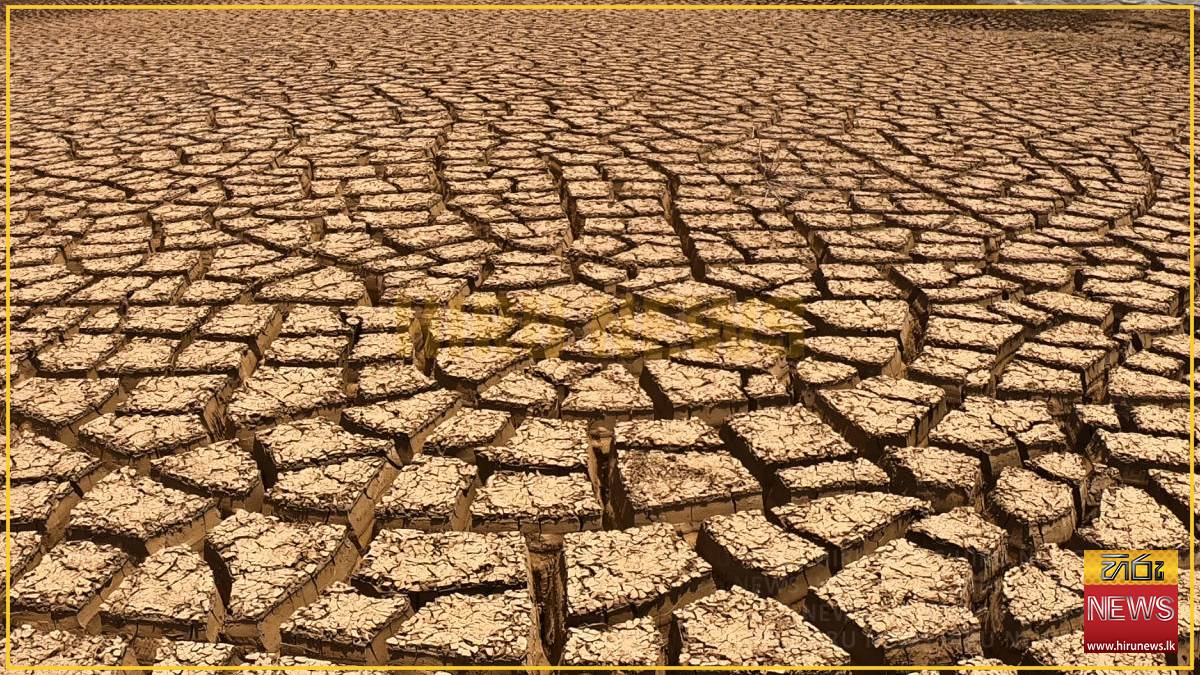
Existing resources could prove insufficient if a prolonged drought develops. K.G.B. Dharmatilaka noted that this El Niño condition could dry up water sources entirely, leaving no options for procurement and forcing authorities to consider the purification and distribution of seawater.
The United Nations Meteorological Agency issued a prior warning regarding the potential for the strongest El Niño condition in a decade.
Sri Lanka could face drought conditions in July and August as a result, with the Department of Meteorology projecting a sharp decline in rainfall.
Supplies of drinking water and agricultural activities face potential disruptions, according to officials.
An increase in rainfall remains possible in October and November, bringing a chance of tornadoes and heavy rains, followed by expected warm weather from January to April.
The El Niño phenomenon, triggered by higher‑than‑normal sea surface temperatures in the Pacific Ocean, disrupts global weather patterns and frequently reduces rainfall in regions including Sri Lanka, India, and Australia, causing severe droughts