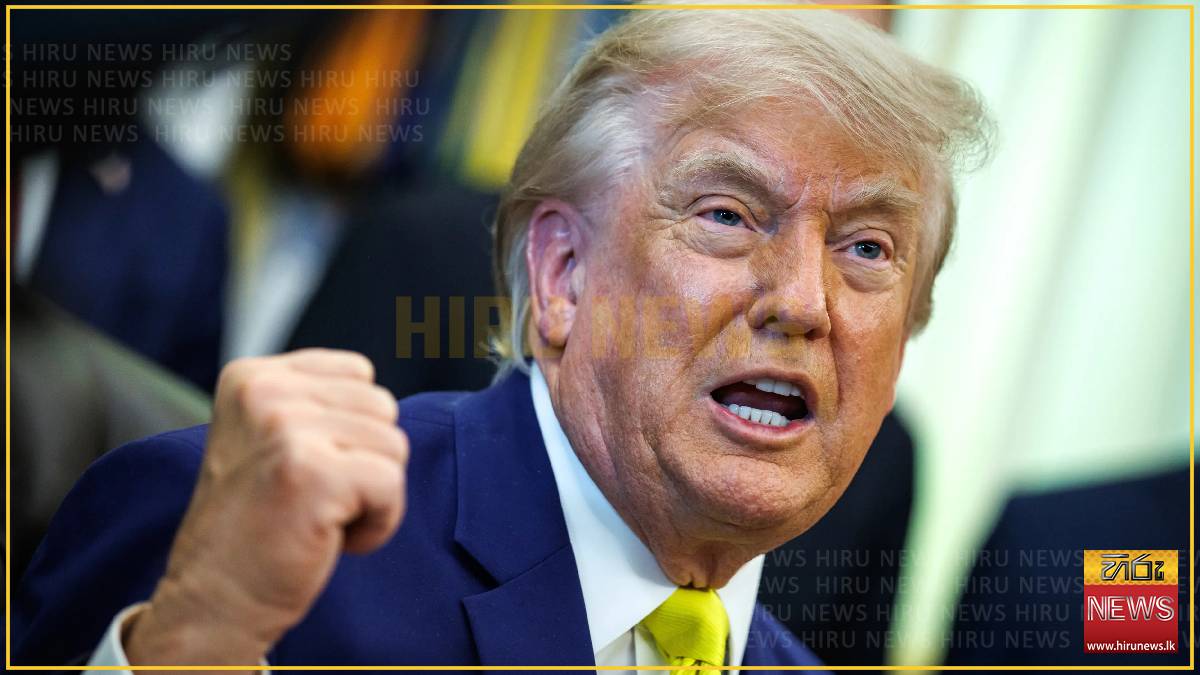
US President Donald Trump has announced that a deal with Iran will be signed this Friday, following a series of statements this week suggesting a ceasefire agreement after more than 100 days of war.
Tehran has since confirmed the announcement, saying that an end to the war – which began following a US-Israeli assault on Iran on 28 February – will be declared early on Monday morning GMT.
Here is what has been said could be included in the US-Iran deal, as well as reactions from the parties involved.
Who announced the deal first?
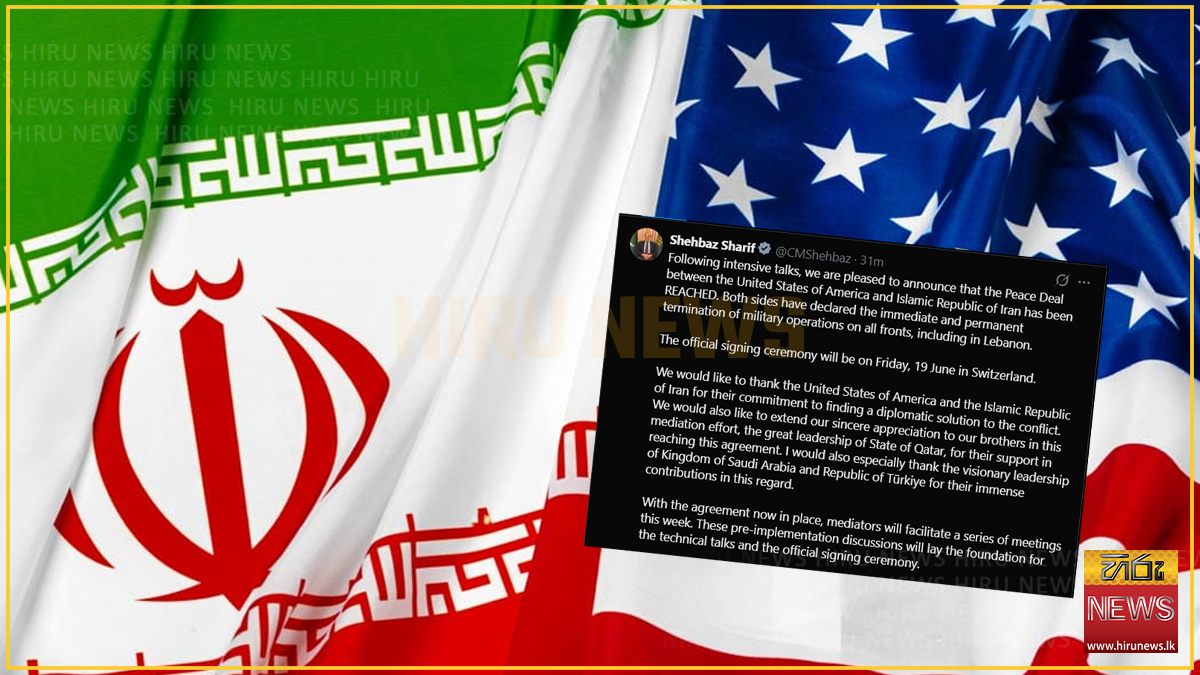
Pakistani Prime Minister Shehbaz Sharif, whose country has been mediating indirect talks between Tehran and Washington, broke the news on X on Sunday.
Sharif said that a “permanent termination of military operations on all fronts” had been agreed upon, including in Lebanon.
Trump confirmed the news in a post on Truth Social shortly after, writing: “The Deal with the Islamic Republic of Iran is now complete”.
The agreement fully authorises “the toll-free opening of the Strait of Hormuz” and, simultaneously, “the immediate removal of the United States naval blockade”, he wrote.
Earlier, Trump told The Washington Post that he planned to announce a US-Iran agreement “imminently.” According to the newspaper, he said the agreement would be signed electronically, either by him or Vice President JD Vance.
Later on Sunday, Trump told The New York Times that the US could restart military operations or become “the guardian of the Middle East” in exchange for 20 percent of the region’s revenues. It was not clear whether the interview was conducted before or after the agreement was announced.
US Secretary of State Marco Rubio congratulated Trump on the announcement and noted that it came on the president’s birthday.
“America is lucky to have a leader with such incredible courage, remarkable strength, an unmatched sense of humor, and an unparalleled love of country. Happy Birthday, Mr. President!” Rubio said in a post on X.
Vice President Vance said the newly announced ceasefire could usher in a “new era” for the Middle East. He credited Trump’s diplomacy with Gulf countries and other regional partners for helping bring about the deal.
“What the president has done is create the real space to transform that region,” Vance said in an interview with Fox News. “And now, hopefully, a new era with the Iranians.”
Vance also reiterated what he described as a central US objective, saying: “I think we can safely say, with confidence, that Iran will never have a nuclear weapon.”
What did Iran say?
Kazem Gharibabadi, Iran’s deputy foreign minister for legal and international affairs, confirmed that an end to military operations was expected “soon”.
According to remarks carried by Iran’s Tasnim news agency, Gharibabadi said that an “immediate and permanent end to the war and military operations on various fronts, including Lebanon”, would be announced starting on Monday.
He added that negotiations on a final agreement would take place during a 60-day period, contingent on Iran verifying that the US had fulfilled its commitments. The commitments include ending hostilities, lifting the naval blockade, and releasing frozen Iranian assets.
What does the deal entail?
According to the Iranian news agency Mehr, the draft agreement contains 14 points.
It includes: a permanent and immediate cessation of hostilities on all fronts, including Lebanon; the complete lifting of the naval blockade within 30 days; a US commitment to withdraw its forces from around Iran; and the reopening of the Strait of Hormuz.
The draft also mentions the suspension of sanctions on oil sales, reaching a final agreement on nuclear issues within 60 days of signing the deal, and the release of $24bn in frozen Iranian assets during the 60-day negotiation period.
Mehr also reported that final negotiations would not begin until half of Iran’s frozen assets had been released and restrictions affecting the Strait of Hormuz had been lifted.
Discussions concerning Iran’s missile programme and its support for resistance groups have been removed from the negotiating agenda, it added.
Al Jazeera could not independently confirm the details reported by Mehr.
-Al Jazeera
Tehran has since confirmed the announcement, saying that an end to the war – which began following a US-Israeli assault on Iran on 28 February – will be declared early on Monday morning GMT.
Here is what has been said could be included in the US-Iran deal, as well as reactions from the parties involved.
Who announced the deal first?
Pakistani Prime Minister Shehbaz Sharif, whose country has been mediating indirect talks between Tehran and Washington, broke the news on X on Sunday.
Sharif said that a “permanent termination of military operations on all fronts” had been agreed upon, including in Lebanon.
Trump confirmed the news in a post on Truth Social shortly after, writing: “The Deal with the Islamic Republic of Iran is now complete”.
The agreement fully authorises “the toll-free opening of the Strait of Hormuz” and, simultaneously, “the immediate removal of the United States naval blockade”, he wrote.
Earlier, Trump told The Washington Post that he planned to announce a US-Iran agreement “imminently.” According to the newspaper, he said the agreement would be signed electronically, either by him or Vice President JD Vance.
Later on Sunday, Trump told The New York Times that the US could restart military operations or become “the guardian of the Middle East” in exchange for 20 percent of the region’s revenues. It was not clear whether the interview was conducted before or after the agreement was announced.
US Secretary of State Marco Rubio congratulated Trump on the announcement and noted that it came on the president’s birthday.
“America is lucky to have a leader with such incredible courage, remarkable strength, an unmatched sense of humor, and an unparalleled love of country. Happy Birthday, Mr. President!” Rubio said in a post on X.
Vice President Vance said the newly announced ceasefire could usher in a “new era” for the Middle East. He credited Trump’s diplomacy with Gulf countries and other regional partners for helping bring about the deal.
“What the president has done is create the real space to transform that region,” Vance said in an interview with Fox News. “And now, hopefully, a new era with the Iranians.”
Vance also reiterated what he described as a central US objective, saying: “I think we can safely say, with confidence, that Iran will never have a nuclear weapon.”
What did Iran say?
Kazem Gharibabadi, Iran’s deputy foreign minister for legal and international affairs, confirmed that an end to military operations was expected “soon”.
According to remarks carried by Iran’s Tasnim news agency, Gharibabadi said that an “immediate and permanent end to the war and military operations on various fronts, including Lebanon”, would be announced starting on Monday.
He added that negotiations on a final agreement would take place during a 60-day period, contingent on Iran verifying that the US had fulfilled its commitments. The commitments include ending hostilities, lifting the naval blockade, and releasing frozen Iranian assets.
What does the deal entail?
According to the Iranian news agency Mehr, the draft agreement contains 14 points.
It includes: a permanent and immediate cessation of hostilities on all fronts, including Lebanon; the complete lifting of the naval blockade within 30 days; a US commitment to withdraw its forces from around Iran; and the reopening of the Strait of Hormuz.
The draft also mentions the suspension of sanctions on oil sales, reaching a final agreement on nuclear issues within 60 days of signing the deal, and the release of $24bn in frozen Iranian assets during the 60-day negotiation period.
Mehr also reported that final negotiations would not begin until half of Iran’s frozen assets had been released and restrictions affecting the Strait of Hormuz had been lifted.
Discussions concerning Iran’s missile programme and its support for resistance groups have been removed from the negotiating agenda, it added.
Al Jazeera could not independently confirm the details reported by Mehr.
-Al Jazeera