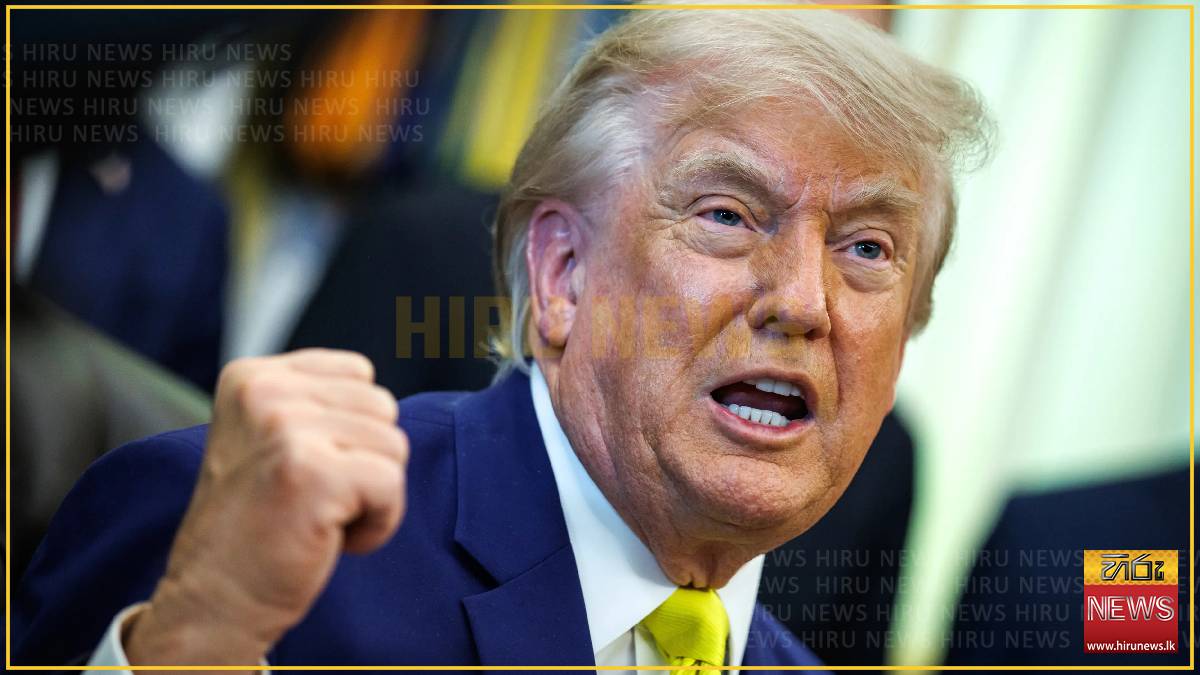
A historic accord between the United States and Iran is scheduled for signature this Friday, following a series of diplomatic statements this week indicating a ceasefire agreement after more than 100 days of conflict. US President Donald Trump announced the upcoming signing, whilst Tehran subsequently confirmed the development, noting that a formal conclusion to the war—triggered by a US-Israeli assault on Iran on 28 February—will enter into force early on Monday morning GMT. The unfolding framework highlights potential provisions of the bilateral package alongside formal responses from key global stakeholders.
A permanent termination of military operations across all active fronts, including Lebanon, secured mutual consent, Pakistani Prime Minister Shehbaz Sharif disclosed via social media platform X on Sunday. Pakistan performed the core mediation role during indirect discussions between Tehran and Washington. The deal with the Islamic Republic of Iran is now complete, Trump declared shortly afterwards via Truth Social, specifying that the layout authorises the toll-free reopening of the Strait of Hormuz alongside the immediate lifting of the United States naval blockade.
A bilateral accord neared imminent public disclosure, Trump previously told The Washington Post, with the newspaper reporting that the document would receive electronic signatures from either the president or Vice President JD Vance. The US retains the option to resume military actions or assume the role of guardian of the Middle East in exchange for 20% of regional revenues, Trump later told The New York Times, though the exact timing of those remarks relative to the official announcement remains unspecified.
Warm commendations reached the president from US Secretary of State Marco Rubio, who highlighted that the diplomatic breakthrough coincided precisely with the leader's birthday. Rubio expressed on X that America benefits from a leader possessing exceptional courage, remarkable strength, a distinct sense of humour, and deep patriotism. The newly declared truce could signal the start of a new era for the Middle East, Vice President Vance remarked during a Fox News broadcast, attributing the successful outcome to targeted diplomatic engagements with Gulf states and regional partners. Vance re-emphasised a core American security priority, stating with absolute confidence that Iran will never acquire a nuclear weapon.
An end to active military maneuvers is anticipated shortly, Kazem Gharibabadi, Iran’s deputy foreign minister for legal and international affairs, confirmed. In statements published by the Tasnim news agency, Gharibabadi indicated that an immediate and permanent halt to warfare across multiple theatres, including Lebanon, will take effect on Monday. A designated 60-day window will host subsequent negotiations regarding the definitive treaty, conditional upon Iranian verification that Washington satisfies initial terms regarding the cessation of hostilities, the removal of the naval blockade, and the unfreezing of Iranian state funds.
The preliminary draft encompasses 14 distinct parameters, according to details published by the Iranian news agency Mehr. The text stipulates an immediate, permanent cessation of hostilities on all operational fronts, the full termination of the naval blockade within 30 days, a formal commitment for the withdrawal of US forces surrounding Iran, and the unrestricted restoration of maritime traffic through the Strait of Hormuz. The blueprint further details the suspension of energy export sanctions, a 60-day target to finalise nuclear parameters, and the incremental release of $24 billion in frozen Iranian financial assets during the talks. Comprehensive negotiations will wait until half of the frozen capital returns and maritime restrictions cease, Mehr reported, noting that items concerning Iran’s missile network and regional resistance alliances were excluded from the formal agenda. Al Jazeera noted it could not independently verify these specific operational points.
A conclusive US-Iran understanding reached finalization, prompting mediators to organize an extensive schedule of meetings this week, Sharif announced on Sunday. Pakistan and Qatar served as the primary neutral intermediaries throughout the final hours of the text alignment. Sharif noted that both sovereign nations committed to a permanent, immediate termination of combat operations on all fronts, inclusive of Lebanon. The prime minister conveyed gratitude to the US, Iran, and Qatar, whilst highlighting the significant contributions made by the leadership of Saudi Arabia and Türkiye. This week’s upcoming assemblies aim to establish the foundational groundwork for technical evaluation and the formal ratification event.
The recent understandings formalized via the Memorandum of Understanding received a warm reception from Qatar’s Ministry of Foreign Affairs. Diplomatic officials in Doha characterized the measures, particularly the reopening of the Strait of Hormuz, as an essential mechanism for cementing lasting regional stability and fostering international economic expansion. Qatari Prime Minister and Minister of Foreign Affairs Sheikh Mohammed bin Abdulrahman bin Jassim Al Thani extended praise to Pakistan and the broader group of international partners who cultivated the environment necessary for this breakthrough. Simultaneously, the Iranian Embassy in Türkiye uploaded a symbolic image on X depicting an Iranian flag positioned over the Strait of Hormuz, welcoming a new era for the region.
The formal signing protocol will take place on June 19 in Switzerland, according to logistical timelines shared by Sharif, with specialized technical dialogues continuing throughout the week. Tehran maintained operational dominance over the Strait of Hormuz since the outbreak of hostilities in late February by disrupting or threatening international shipping channels. Based on the unconfirmed parameters circulated by international delegations, the framework seeks to substantially re-establish the geopolitical status quo that existed prior to the outbreak of the war.
-Al Jazeera