Secretary of Energy Chris Wright said Sunday that oil traffic through the Strait of Hormuz is "already back to normal" after the US and Iran signed a preliminary agreement to reopen the critical waterway while negotiators spend the next two months trying to work out yet-to-be-resolved nuclear issues.
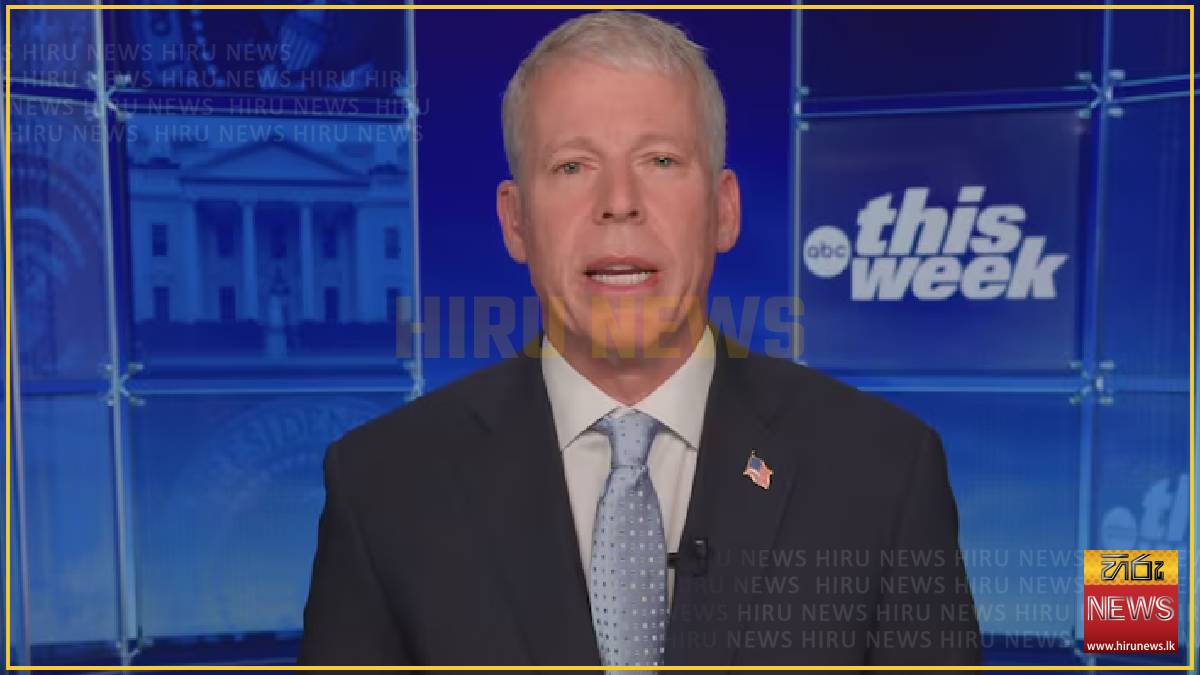
"I'm long out of the business of predicting oil or gasoline prices, but they will continue to head down. Flows of oil and natural gas through the straits have already returned to normal, and they will continue that way whatever happens with the negotiations with the Iranians," Wright said on ABC News' "This Week." "We've got growing American production, surging production in Venezuela. We've got cooperation with all the other energy producers of the world. So, I think Americans can expect continued declines in energy prices."
U.S. and Iranian leaders signed a memorandum of understanding last week that appears to have broken the months-long stalemate in the Strait of Hormuz, a waterway in the Gulf region through which around 20% of the global oil supply normally transits to enter the market. Energy prices spiked in May, with U.S. gas prices averaging $4.56 per gallon over the month, according to Gas Buddy. Prices had been falling before the agreement was reached, and have fallen more since, averaging $3.88 per gallon as of Sunday morning.
Vice President JD Vance, along with U.S. special envoy Steve Witkoff and the president's son-in-law Jared Kushner, is currently in Lucerne, Switzerland, for the first negotiations with Iranian officials since the memo's signing.
Wright told "This Week" co-anchor Jonathan Karl that Sunday's "candid dialogue will set out what the Iranian goals are and what they think the tradeoffs they might have to make are."
"They don't have the leverage they've always had in talks before," Wright said of the Iranians.
-ABC news
"I'm long out of the business of predicting oil or gasoline prices, but they will continue to head down. Flows of oil and natural gas through the straits have already returned to normal, and they will continue that way whatever happens with the negotiations with the Iranians," Wright said on ABC News' "This Week." "We've got growing American production, surging production in Venezuela. We've got cooperation with all the other energy producers of the world. So, I think Americans can expect continued declines in energy prices."
U.S. and Iranian leaders signed a memorandum of understanding last week that appears to have broken the months-long stalemate in the Strait of Hormuz, a waterway in the Gulf region through which around 20% of the global oil supply normally transits to enter the market. Energy prices spiked in May, with U.S. gas prices averaging $4.56 per gallon over the month, according to Gas Buddy. Prices had been falling before the agreement was reached, and have fallen more since, averaging $3.88 per gallon as of Sunday morning.
Vice President JD Vance, along with U.S. special envoy Steve Witkoff and the president's son-in-law Jared Kushner, is currently in Lucerne, Switzerland, for the first negotiations with Iranian officials since the memo's signing.
Wright told "This Week" co-anchor Jonathan Karl that Sunday's "candid dialogue will set out what the Iranian goals are and what they think the tradeoffs they might have to make are."
"They don't have the leverage they've always had in talks before," Wright said of the Iranians.
-ABC news