



Share Post


In Bangladesh, dengue fever has killed more than 300 people this year and infected almost 63,700 others, with hospitals having a difficult time keeping up with all of the cases.
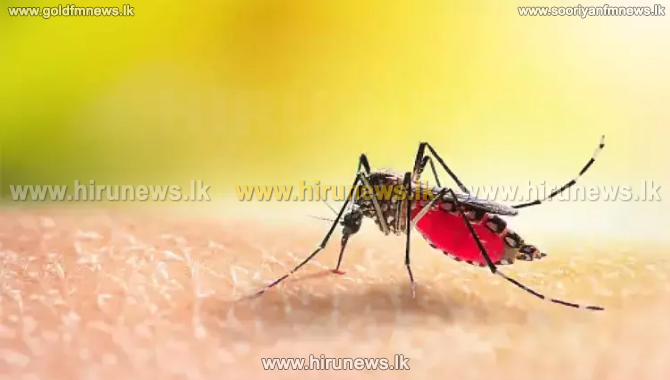
There is no vaccine or drug that specifically treats dengue, which is common in South Asia during the June-to-September monsoon season, when the Aedes aegypti mosquito that spreads the deadly virus thrives in stagnant water.
This is the deadliest outbreak of the mosquito-borne disease since the government began tracking in 2000. Across Bangladesh, people are being urged to use mosquito nets and kill any mosquito larvae they find.
Experts said they expect to get more cases through August and September. This year's deaths already top the previous record of 281 from last year, with the number of people infected just behind the 62,423 cases of 2022.
Early detection and access to proper medical care can reduce deaths to fewer than 1% of sufferers.
"When the pre-monsoon rains started in April, so did the Aedes mosquito breeding. The virus had already spread within the community, therefore, it was also being transmitted," said Kabirul Bashar, professor of entomology at Jahangirnagar University.
The World Health Organization said that today, about half of the world's population is at risk of dengue fever, which is more common in tropical and subtropical climates. The most common symptoms are headache, nausea, body aches, fever, and rash, but not everyone who becomes infected reports symptoms. In severe cases, people can experience organ failure and die. Because there isn't a specific treatment for dengue, the protocol is to manage symptoms.
Climate change is causing warmer and wetter weather, and these conditions are perfect for mosquito breeding. WHO official Raman Velayudhan said during a webinar last week that dengue is "a problem linked mostly with climate change, and we need to find ways to mitigate its impacts on every country level." After monsoon season is over in October, he expects to see even more dengue cases in Bangladesh and other Asian countries.
Mushtaq Hossain, senior adviser to Bangladesh's Institute of Epidemiology, Disease Control and Research, agreed, writing in an opinion piece for the Bangladesh Pratidin newspaper that the number of people hospitalized for dengue could keep rising all the way through November. Despite extra beds being put in hospitals, the country is "not adequately prepared to deal with dengue," he said.
There is no vaccine or drug that specifically treats dengue, which is common in South Asia during the June-to-September monsoon season, when the Aedes aegypti mosquito that spreads the deadly virus thrives in stagnant water.
This is the deadliest outbreak of the mosquito-borne disease since the government began tracking in 2000. Across Bangladesh, people are being urged to use mosquito nets and kill any mosquito larvae they find.
Experts said they expect to get more cases through August and September. This year's deaths already top the previous record of 281 from last year, with the number of people infected just behind the 62,423 cases of 2022.
Early detection and access to proper medical care can reduce deaths to fewer than 1% of sufferers.
"When the pre-monsoon rains started in April, so did the Aedes mosquito breeding. The virus had already spread within the community, therefore, it was also being transmitted," said Kabirul Bashar, professor of entomology at Jahangirnagar University.
The World Health Organization said that today, about half of the world's population is at risk of dengue fever, which is more common in tropical and subtropical climates. The most common symptoms are headache, nausea, body aches, fever, and rash, but not everyone who becomes infected reports symptoms. In severe cases, people can experience organ failure and die. Because there isn't a specific treatment for dengue, the protocol is to manage symptoms.
Climate change is causing warmer and wetter weather, and these conditions are perfect for mosquito breeding. WHO official Raman Velayudhan said during a webinar last week that dengue is "a problem linked mostly with climate change, and we need to find ways to mitigate its impacts on every country level." After monsoon season is over in October, he expects to see even more dengue cases in Bangladesh and other Asian countries.
Mushtaq Hossain, senior adviser to Bangladesh's Institute of Epidemiology, Disease Control and Research, agreed, writing in an opinion piece for the Bangladesh Pratidin newspaper that the number of people hospitalized for dengue could keep rising all the way through November. Despite extra beds being put in hospitals, the country is "not adequately prepared to deal with dengue," he said.
Latest News
Sri Lanka Customs exceeds May revenue target by 16%
Local
11 June 2026

Primary Wave acquires Donna Summer music catalog rights
Local
11 June 2026

Canada to ban social media for under-16s
Local
11 June 2026

New cargo airline commences operations in Sri Lanka
Local
11 June 2026

Stokes out of England squad, Root named captain
Local
11 June 2026

Strait of Hormuz closed to all vessels says IRGC
Local
11 June 2026

Fresh US strikes trigger Iranian response in Strait of Hormuz
Local
11 June 2026

'Rebuilding Sri Lanka Fund' not a separate fund, only account name: Bimal Ratnayake
Local
11 June 2026
World markets walk a tightrope between AI stocks and oil shocks
Local
10 June 2026

7 individuals and two firms charged over Hong Kong deadly fire
Local
10 June 2026