



Share Post


Today (26) marks 20 years since the tsunami disaster, the worst natural catastrophe to ever strike Sri Lanka, leaving behind an indelible scar on the nation's history.
On December 26, 2004, at 9:30 am, a massive 9.3 magnitude earthquake near Sumatra triggered a deadly tsunami that wreaked havoc across the Indian Ocean region. For Sri Lankans, who were in the midst of celebrating Christmas amid a period of terrorism, the disaster brought unforeseen grief, taking nearly 35,000 lives and displacing over 516,000 people.
The tsunami, with waves reportedly reaching 30 feet high, not only devastated coastal areas but also left painful memories of families torn apart. Children were separated from parents, and countless loved ones were lost in a matter of moments.
Among the most tragic events was the Peraliya train disaster, where the tsunami struck a train packed with passengers near Thelwatte. Known as the 2004 Sri Lanka tsunami-rail disaster, it claimed the lives of over 1,700 people, making it the deadliest train disaster in history.
The tsunami's destruction extended beyond Sri Lanka to countries like India, Indonesia, Thailand, and even as far as Somalia, killing over 225,000 people globally.
Today, Sri Lankans reflect on this tragic event with sorrow but also resilience, vowing to strengthen disaster preparedness and hoping such a calamity never strikes again.
On December 26, 2004, at 9:30 am, a massive 9.3 magnitude earthquake near Sumatra triggered a deadly tsunami that wreaked havoc across the Indian Ocean region. For Sri Lankans, who were in the midst of celebrating Christmas amid a period of terrorism, the disaster brought unforeseen grief, taking nearly 35,000 lives and displacing over 516,000 people.
The tsunami, with waves reportedly reaching 30 feet high, not only devastated coastal areas but also left painful memories of families torn apart. Children were separated from parents, and countless loved ones were lost in a matter of moments.
Among the most tragic events was the Peraliya train disaster, where the tsunami struck a train packed with passengers near Thelwatte. Known as the 2004 Sri Lanka tsunami-rail disaster, it claimed the lives of over 1,700 people, making it the deadliest train disaster in history.
The tsunami's destruction extended beyond Sri Lanka to countries like India, Indonesia, Thailand, and even as far as Somalia, killing over 225,000 people globally.
Today, Sri Lankans reflect on this tragic event with sorrow but also resilience, vowing to strengthen disaster preparedness and hoping such a calamity never strikes again.
Latest News
Hayleys Mobility expands presence in Anuradhapura
Local
21 June 2026

Commander of U.S. Pacific Air Forces arrives in Sri Lanka
Local
21 June 2026

US Energy secretary forecasts more oil price declines
Local
21 June 2026

TISSL host annual conference at Blue Waters
Local
21 June 2026

Europe braces for prolonged heatwave
Local
21 June 2026

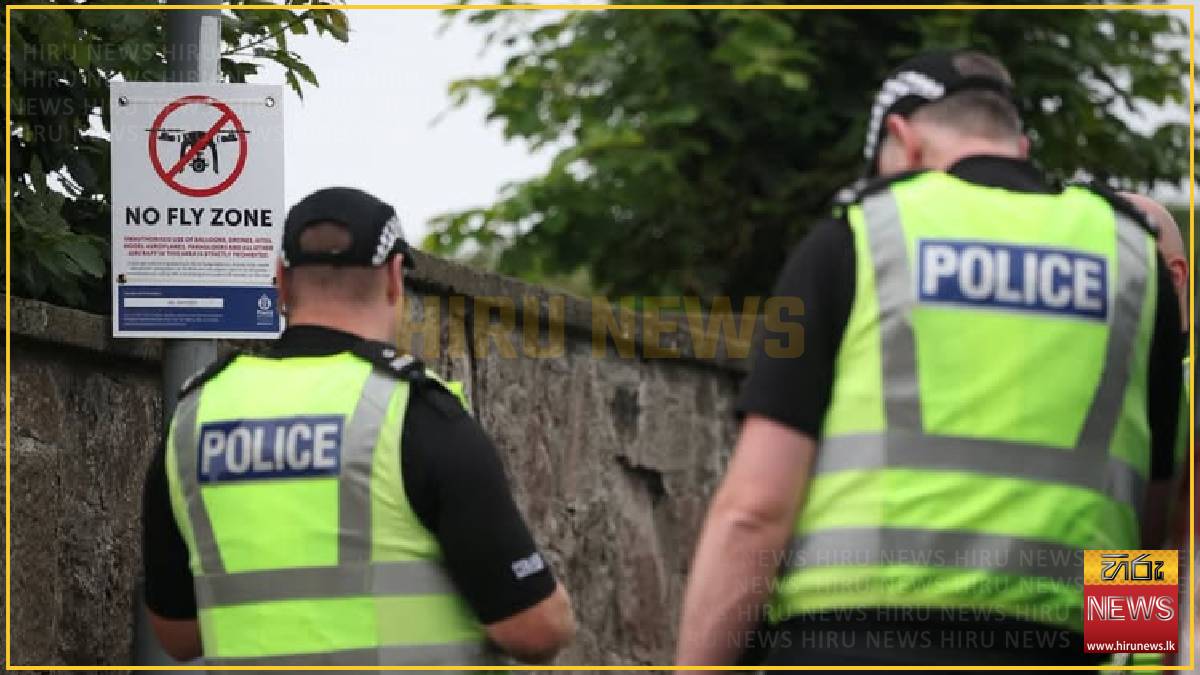
Scottish police charge man after apparent anti-Muslim attacks
Local
21 June 2026
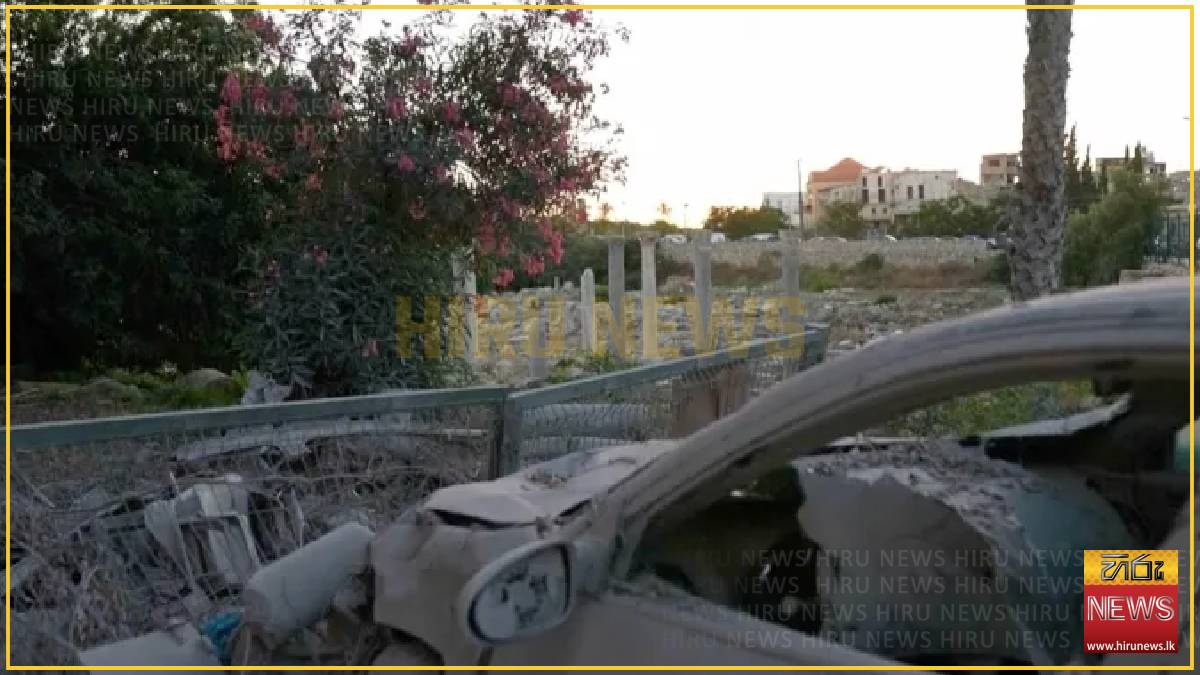
Lebanon’s ancient monuments remain at risk
Local
21 June 2026
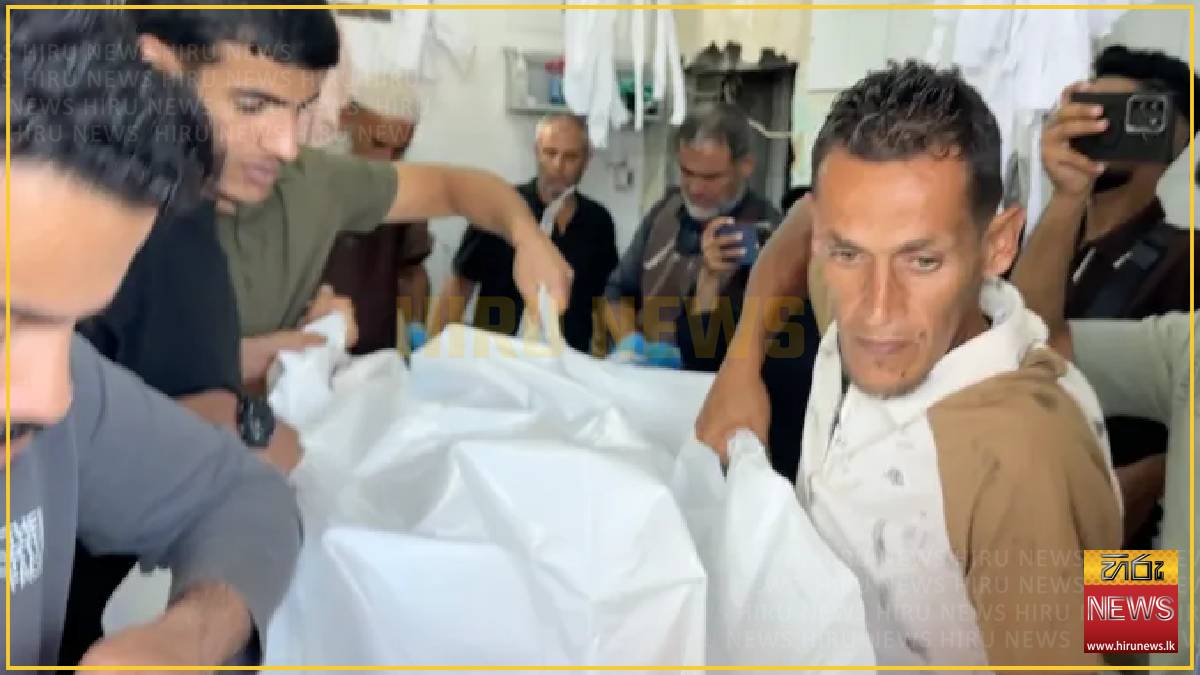
Gaza bids farewell to slain journalist Wishah
Local
21 June 2026
Bolivia crisis begins to ease after lawmakers back state of emergency
Local
21 June 2026
Vehicle registrations increase in May to 62,776
Local
21 June 2026