Share Post


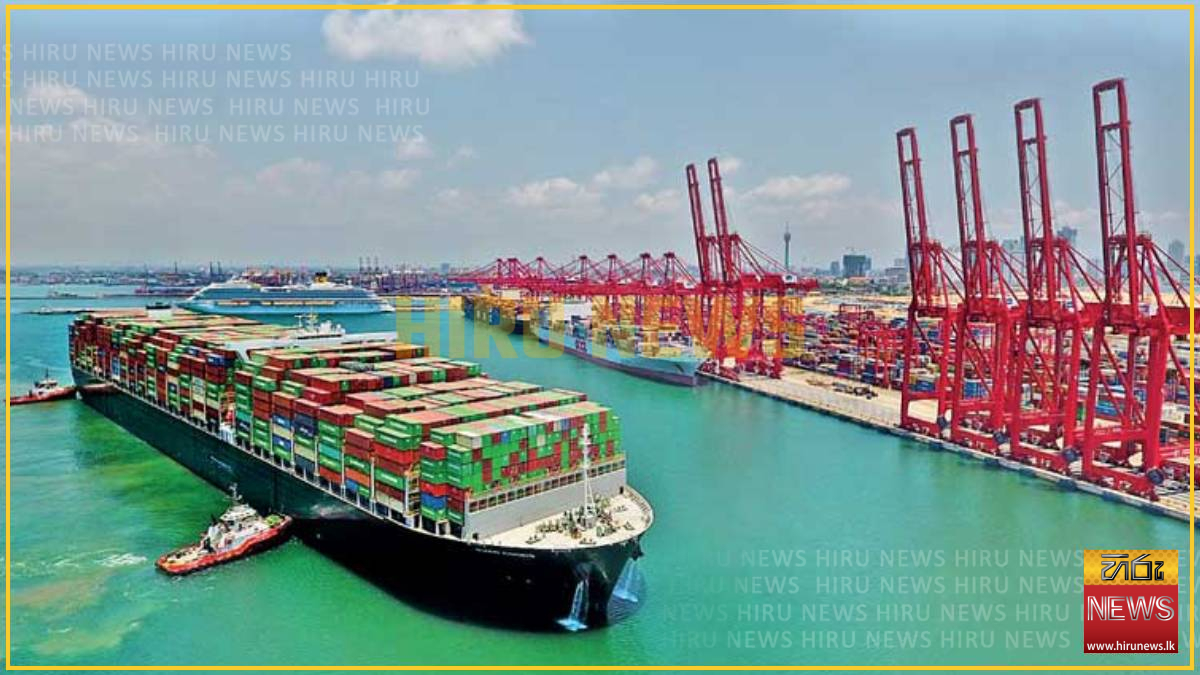
The Port of Colombo recorded a 6.5% increase in container volumes during 2025, solidifying its position as a critical redistribution point within the global liner shipping network. According to the latest Alphaliner rankings, the port handled 8,301,210 TEUs in 2025, up from 7,792,069 TEUs in 2024, maintaining its 24th position among the world’s top 30 container ports.
Global port volumes exceeded initial forecasts this year, rising an estimated 5.2% due to heightened trade demand and widespread maritime disruptions. This growth outperformed the general container trade increase of 4.7%, reflecting significant operational shifts such as large-scale vessel re-routing and supply chain adjustments.
Transhipment gateways emerged as the primary beneficiaries of these shifts. Factors, including the temporary imposition of US tariffs in April, led to major cargo redistribution, while the continued closure of the Red Sea diverted significant traffic. Colombo, alongside other major hubs like Singapore and Malaysia’s Tanjung Pelepas, absorbed much of this redirected cargo.
Singapore saw a robust 8.6% growth, outpacing its primary competitor, Shanghai. However, the most dramatic surge occurred at Malaysia’s Tanjung Pelepas, where volumes climbed by 14.5%, or nearly 1.8 million TEUs, allowing it to jump three spots in the global rankings. Regional port volumes now sit nearly 55% higher than pre-pandemic levels as transhipment activities transition from the Middle East and Red Sea toward Southeast Asia and South Asia.
India’s Nhava Sheva also reported a strong 12.6% growth following its Phase-2 expansion, which added 2.4 million TEUs of capacity to the region. Despite the competitive landscape, Colombo’s steady performance highlights its resilience as a vital link in the shifting global supply chain.

Global port volumes exceeded initial forecasts this year, rising an estimated 5.2% due to heightened trade demand and widespread maritime disruptions. This growth outperformed the general container trade increase of 4.7%, reflecting significant operational shifts such as large-scale vessel re-routing and supply chain adjustments.
Transhipment gateways emerged as the primary beneficiaries of these shifts. Factors, including the temporary imposition of US tariffs in April, led to major cargo redistribution, while the continued closure of the Red Sea diverted significant traffic. Colombo, alongside other major hubs like Singapore and Malaysia’s Tanjung Pelepas, absorbed much of this redirected cargo.
Singapore saw a robust 8.6% growth, outpacing its primary competitor, Shanghai. However, the most dramatic surge occurred at Malaysia’s Tanjung Pelepas, where volumes climbed by 14.5%, or nearly 1.8 million TEUs, allowing it to jump three spots in the global rankings. Regional port volumes now sit nearly 55% higher than pre-pandemic levels as transhipment activities transition from the Middle East and Red Sea toward Southeast Asia and South Asia.
India’s Nhava Sheva also reported a strong 12.6% growth following its Phase-2 expansion, which added 2.4 million TEUs of capacity to the region. Despite the competitive landscape, Colombo’s steady performance highlights its resilience as a vital link in the shifting global supply chain.
Latest News
Cuban lawmakers to vote on Castro-backed economic reforms amid US stranglehold
Local
18 June 2026

US Supreme Court limits ban on gun ownership by marijuana users
Local
18 June 2026

Space startups seek insurance for orbital AI data centres
Local
18 June 2026

Vance says 60-day period in Iran deal begins Thursday
Local
18 June 2026

Lululemon yoga event on China's Great Wall causes Japanese drum furor
Local
18 June 2026

ChapsVision says ethics panel can veto deals deemed risky
Local
18 June 2026

UK relaxes travel advice for UAE and some other Gulf states
Local
18 June 2026

US gas prices fall below $4 for 1st time since March
Local
18 June 2026

Apple allows alternative app stores, payments in Brazil
Local
18 June 2026

Sweden may oppose Tesla's self-driving tech in Europe
Local
18 June 2026