



Share Post


The U.S. military said it would block shipping traffic in and out of Iran's ports starting at 10 a.m. ET (1400 GMT) on Monday, a move that would prevent roughly two million barrels of Iranian oil a day from entering the world's markets, further tightening global supply.
Here are details on the planned blockade and its implications for oil markets.
WHAT WAS ANNOUNCED?
After weekend peace talks in Islamabad between negotiators from the U.S. and Iran ended without a deal, President Donald Trump said the U.S. Navy "will begin the process of BLOCKADING any and all ships trying to enter, or leave, the Strait of Hormuz."
The U.S. military's Central Command later said the blockade would only apply to ships going to or from Iran, including all Iranian ports on the Gulf and Gulf of Oman. U.S. forces would not impede freedom of navigation for vessels transiting the Strait of Hormuz to and from non-Iranian ports and additional information would be provided, it said.
Iran's Revolutionary Guards responded to Trump by warning that military vessels approaching the strait would be considered a ceasefire breach and dealt with harshly and decisively.
Retired Admiral Gary Roughead, a former chief of U.S. naval operations, cautioned that Iran could fire on ships in the Gulf or attack the infrastructure of Gulf states that host U.S. forces.
WHAT IS THE IMPLICATION FOR OIL FLOWS?
Blocking Iranian shipments would disconnect a significant source of oil from the world's markets. Iran exported 1.84 million barrels per day (bpd) of crude in March and has shipped 1.71 million bpd thus far in April, compared with a full-year average of 1.68 million bpd in 2025, according to Kpler data.
However, a surge in Iranian output before the war started on February 28 has led to near-record levels of Iranian oil loaded on ships, with more than 180 million barrels floating as of earlier this month, according to Kpler data.
WHAT ABOUT OIL FLOWS FROM OTHER GULF PRODUCERS?
Shipping traffic through the Strait of Hormuz, which has been severely curtailed by an Iranian blockade since the start of the war, remains nearly halted despite last week's two-week ceasefire agreement between Washington and Tehran.
Oil tankers were steering clear of the strait on Monday.
WHAT IS THE IMPLICATION FOR OIL FLOWS?
Blocking Iranian shipments would disconnect a significant source of oil from the world's markets. Iran exported 1.84 million barrels per day (bpd) of crude in March and has shipped 1.71 million bpd thus far in April, compared with a full-year average of 1.68 million bpd in 2025, according to Kpler data.
However, a surge in Iranian output before the war started on February 28 has led to near-record levels of Iranian oil loaded on ships, with more than 180 million barrels floating as of earlier this month, according to Kpler data.
WHAT ABOUT OIL FLOWS FROM OTHER GULF PRODUCERS?
Shipping traffic through the Strait of Hormuz, which has been severely curtailed by an Iranian blockade since the start of the war, remains nearly halted despite last week's two-week ceasefire agreement between Washington and Tehran.
Oil tankers were steering clear of the strait on Monday.
WHICH IMPORTERS ARE MOST AFFECTED?
Before the war, most Iranian oil exports were shipped to China, the top global crude importer. Last month, the U.S. unveiled a sanctions waiver that has enabled other buyers, including India, to import Iranian oil.
India is set to receive its first crude shipment from Iran in seven years this week, ship tracking data from LSEG and Kpler showed on Wednesday.
Before the war, roughly 20% of global oil and natural gas exports were shipped through the Strait of Hormuz, with most cargoes headed to Asia, the largest importing region.
-Reuters
Iran's Revolutionary Guards responded to Trump by warning that military vessels approaching the strait would be considered a ceasefire breach and dealt with harshly and decisively.
Retired Admiral Gary Roughead, a former chief of U.S. naval operations, cautioned that Iran could fire on ships in the Gulf or attack the infrastructure of Gulf states that host U.S. forces.
WHAT IS THE IMPLICATION FOR OIL FLOWS?
Blocking Iranian shipments would disconnect a significant source of oil from the world's markets. Iran exported 1.84 million barrels per day (bpd) of crude in March and has shipped 1.71 million bpd thus far in April, compared with a full-year average of 1.68 million bpd in 2025, according to Kpler data.
However, a surge in Iranian output before the war started on February 28 has led to near-record levels of Iranian oil loaded on ships, with more than 180 million barrels floating as of earlier this month, according to Kpler data.
WHAT ABOUT OIL FLOWS FROM OTHER GULF PRODUCERS?
Shipping traffic through the Strait of Hormuz, which has been severely curtailed by an Iranian blockade since the start of the war, remains nearly halted despite last week's two-week ceasefire agreement between Washington and Tehran.
Oil tankers were steering clear of the strait on Monday.
WHAT IS THE IMPLICATION FOR OIL FLOWS?
Blocking Iranian shipments would disconnect a significant source of oil from the world's markets. Iran exported 1.84 million barrels per day (bpd) of crude in March and has shipped 1.71 million bpd thus far in April, compared with a full-year average of 1.68 million bpd in 2025, according to Kpler data.
However, a surge in Iranian output before the war started on February 28 has led to near-record levels of Iranian oil loaded on ships, with more than 180 million barrels floating as of earlier this month, according to Kpler data.
WHAT ABOUT OIL FLOWS FROM OTHER GULF PRODUCERS?
Shipping traffic through the Strait of Hormuz, which has been severely curtailed by an Iranian blockade since the start of the war, remains nearly halted despite last week's two-week ceasefire agreement between Washington and Tehran.
Oil tankers were steering clear of the strait on Monday.
WHICH IMPORTERS ARE MOST AFFECTED?
Before the war, most Iranian oil exports were shipped to China, the top global crude importer. Last month, the U.S. unveiled a sanctions waiver that has enabled other buyers, including India, to import Iranian oil.
India is set to receive its first crude shipment from Iran in seven years this week, ship tracking data from LSEG and Kpler showed on Wednesday.
Before the war, roughly 20% of global oil and natural gas exports were shipped through the Strait of Hormuz, with most cargoes headed to Asia, the largest importing region.
-Reuters
Latest News
Luxury vehicle registrations rise despite overall market slowdown
Local
26 July 2026

Malaysia joins 2026 calendar as host venue for Bahrain Grand Prix
Local
26 July 2026

Mandatory 5,000 km safety checks introduced for passenger buses
Local
26 July 2026

Current government fulfilled only wage hike promise to estate people, says MP Palani Digambaram
Local
26 July 2026

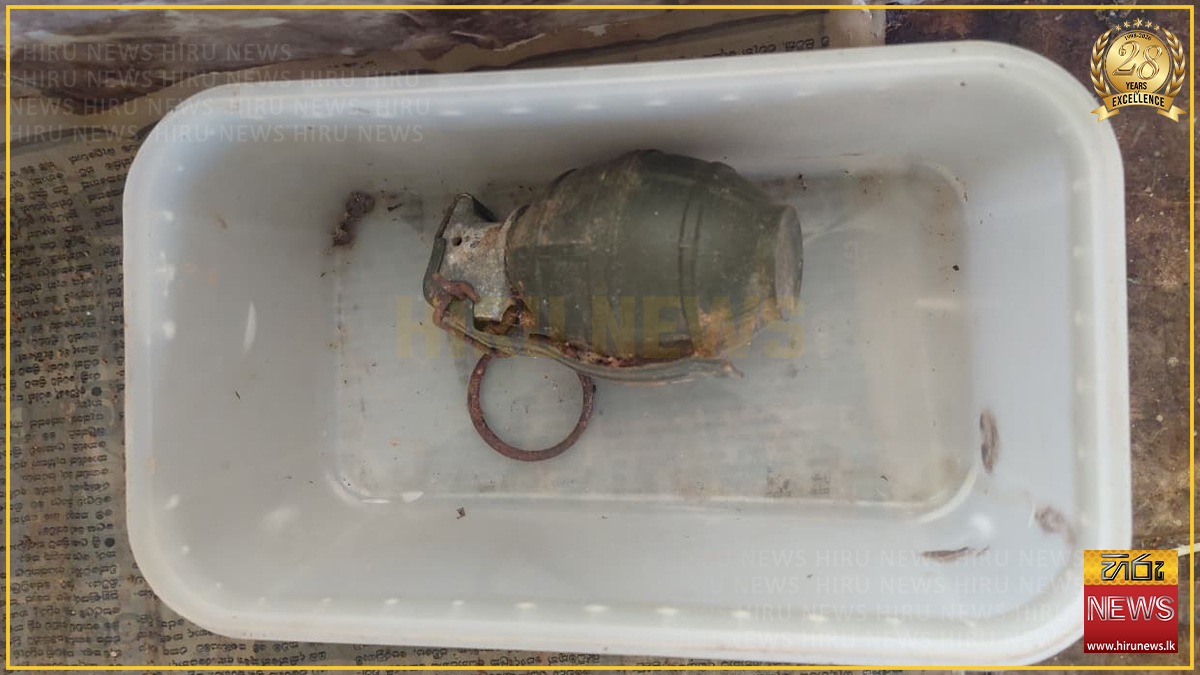
Live hand grenade found in abandoned house in Bogalla
Local
26 July 2026
Nine arrested for illegally clearing forest reserve in Kannakipuram
Local
26 July 2026

Sarnath inscribed on UNESCO World Heritage list
Local
26 July 2026

Fire breaks out at hotel near Anuradhapura main bus stand
Local
26 July 2026

FLi Super expands island-wide presence with new Karandeniya outlet
Local
26 July 2026

Multi-Platinum Artist Arash and Grammy Award-Winning Mohombi to headline Ceylon Music Festival
Local
26 July 2026