



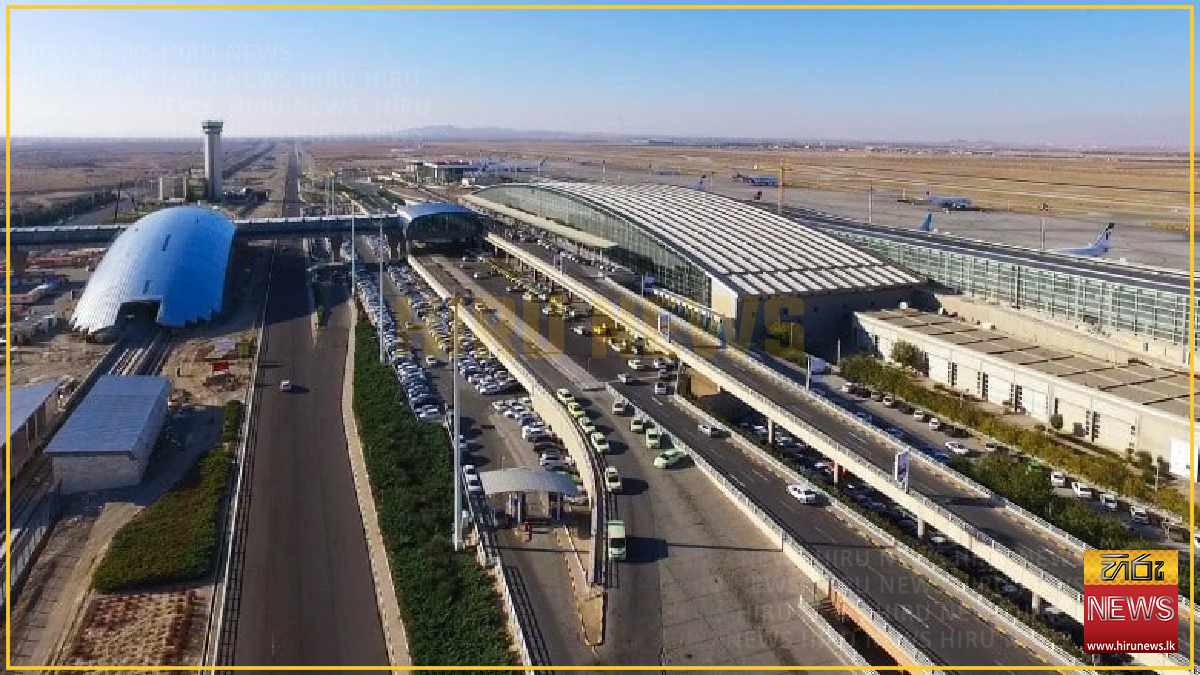


I’m standing at Imam Khomeini International Airport, the main gateway to the Iranian capital, Tehran. After 57 days of closure due to wartime conditions, flights resumed here a couple of days ago when Iranian airspace was finally reopened.
On a normal day, this airport handles around 100 to 150 flights. Right now, that figure is closer to 10 to 15. We are seeing a gradual return to operations and terminals slowly filling up again.
This is important, not only because of the disruption caused by the war, but because the resumption of flights is happening despite widespread infrastructure damage across the country.
This is Iran’s most important international airport. Tehran has a second airport, Mehrabad Airport, which is mainly used for domestic flights and which was struck multiple times during the conflict.
Other airports across the country, including those in Tabriz and Urmia, were also targeted. Several civilian aircraft were hit or damaged. And with sanctions having hit Iran’s aviation sector for decades, the losses to the country’s transport infrastructure are significant.
We’ve been speaking to passengers coming and going there.
There is a limited sense of normalvy at this point and I would say a mix of emotions: frustration, hope and a sense of vulnerability. The ceasefire is holding for now, but people are worried whether there will be long-lasting peace or another round of confrontation.
-Al Jazeera
Latest News
NCE pays tribute to founding president and past leaders

How would Iran react to a US declaration of victory?
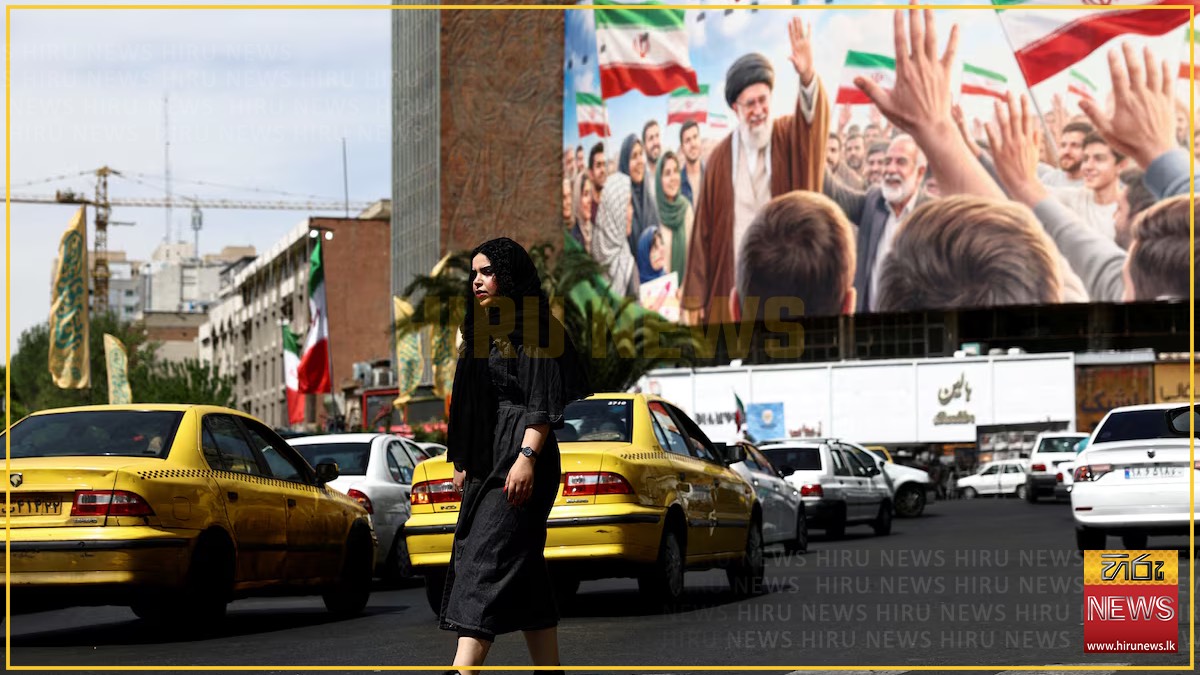
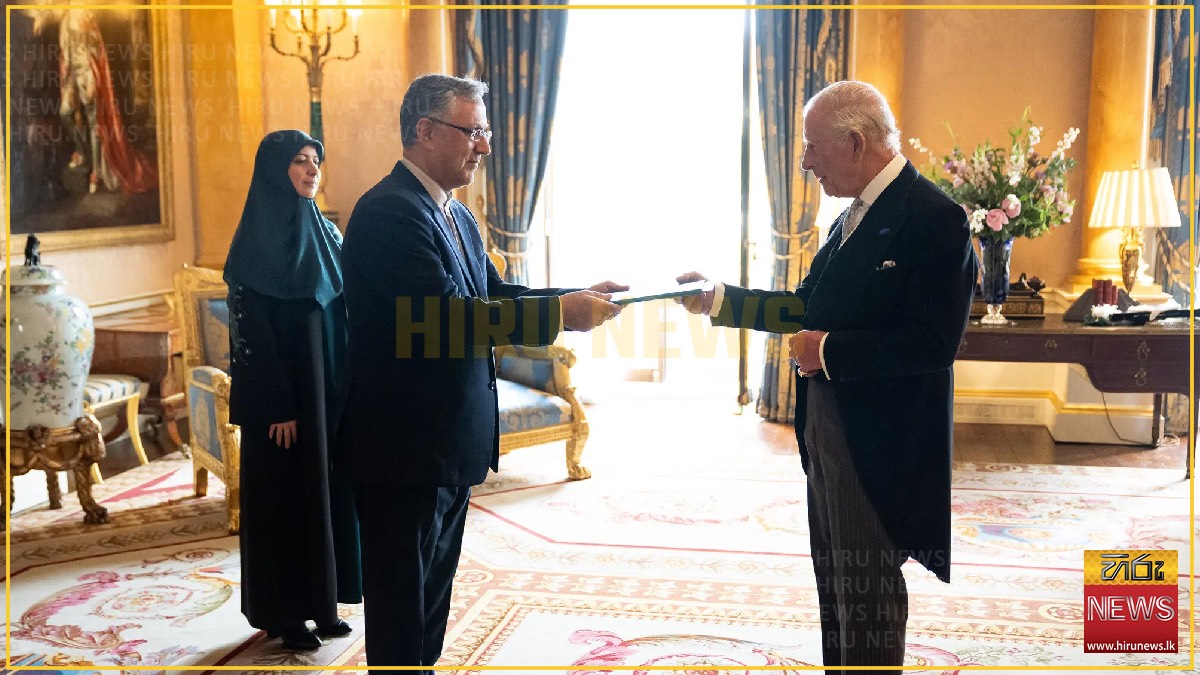
Britain Summons Iran’s Ambassador Over Message to Iranians in U.K.
Private air defence takes off in Ukraine

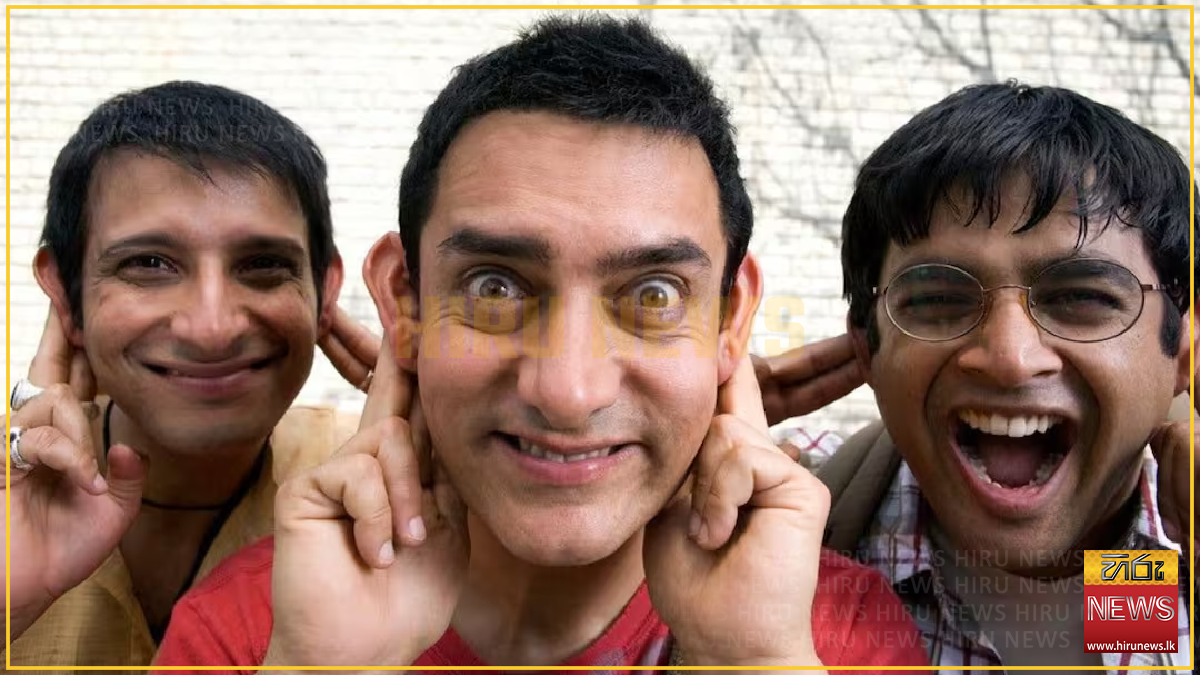
Aamir Khan confirms 3 Idiots sequel with a 10-year leap
Omega Line secures top honours at Best Management Practices Awards

Iran's Economy in dire state with job losses and extreme poverty
Tourist dies from snake bite during show in Egypt
Microsoft offers early retirement for 1000s of employees

Sampath Bank leads Lanka’s lending transformation through AI-enabled credit intelligence