



Share Post


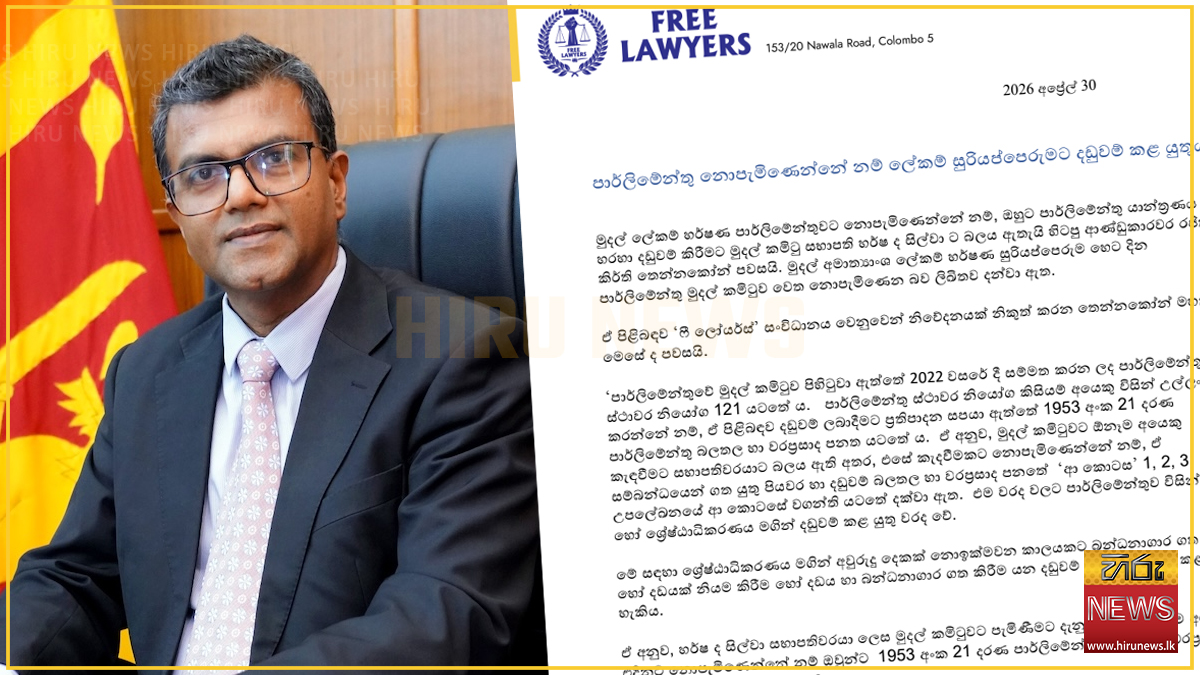
The Chairman of the Committee on Public Finance, Harsha de Silva, possesses the authority to punish Finance Secretary Dr Harshana Suriyapperuma through parliamentary mechanisms if he fails to appear before Parliament, according to former Governor Ranjith Keerthi Tennakoon on behalf of the Free Lawyers Association.
The statement comes after Secretary to the Ministry of Finance Harshana Suriyapperuma submitted a written refusal to attend the parliamentary finance committee meeting scheduled for tomorrow. Ranjith Keerthi Tennakoon notes that the Committee on Public Finance was established under Parliamentary Standing Order 121, adopted in 2022, and any violations are punishable under the Parliament (Powers and Privileges) Act, No. 21 of 1953.
Under these provisions, the Chairman holds the power to summon any individual to the committee. Failure to comply is addressed under Part B of the first, second, and third schedules of the Powers and Privileges Act. The former Governor states that such offences are punishable by either Parliament or the Supreme Court, with the latter able to impose a prison sentence not exceeding two years, a fine, or both.
The announcement indicates that Chairman Harsha de Silva can proceed under the 1953 Act against anyone who ignores a summons to the committee. By deciding not to send the Finance Secretary to the meeting, the government loses its legitimacy in fighting corruption and fraud, as no previous administration has challenged parliamentary financial responsibility or undermined the power of parliamentary committees in this manner. Ranjith Keerthi Tennakoon further asserts that if a summoned official fails to appear, the Chairman must either exercise his power to punish or resign to protect the dignity and honour of Parliament.
The statement comes after Secretary to the Ministry of Finance Harshana Suriyapperuma submitted a written refusal to attend the parliamentary finance committee meeting scheduled for tomorrow. Ranjith Keerthi Tennakoon notes that the Committee on Public Finance was established under Parliamentary Standing Order 121, adopted in 2022, and any violations are punishable under the Parliament (Powers and Privileges) Act, No. 21 of 1953.
Under these provisions, the Chairman holds the power to summon any individual to the committee. Failure to comply is addressed under Part B of the first, second, and third schedules of the Powers and Privileges Act. The former Governor states that such offences are punishable by either Parliament or the Supreme Court, with the latter able to impose a prison sentence not exceeding two years, a fine, or both.
The announcement indicates that Chairman Harsha de Silva can proceed under the 1953 Act against anyone who ignores a summons to the committee. By deciding not to send the Finance Secretary to the meeting, the government loses its legitimacy in fighting corruption and fraud, as no previous administration has challenged parliamentary financial responsibility or undermined the power of parliamentary committees in this manner. Ranjith Keerthi Tennakoon further asserts that if a summoned official fails to appear, the Chairman must either exercise his power to punish or resign to protect the dignity and honour of Parliament.
Latest News
Captain Davies on the bench for Canada in last-16 clash with Morocco
Local
04 July 2026

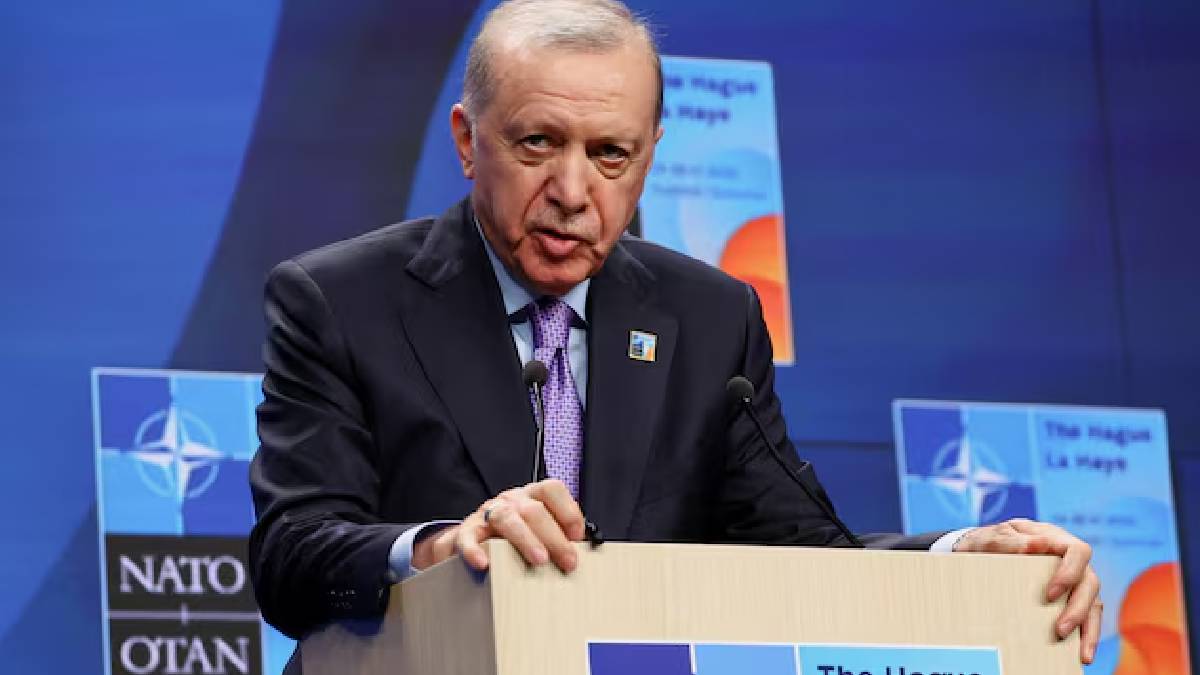
Turkish President says Israel must not scupper US-Iran deal
Local
04 July 2026
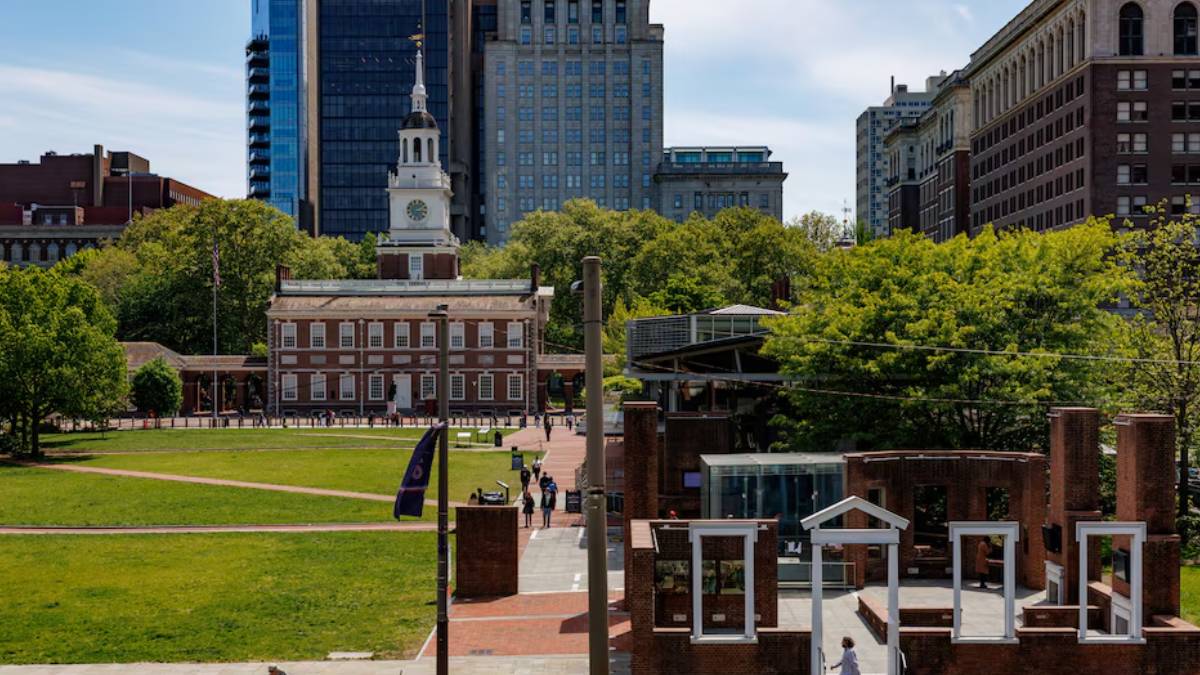
US museums and parks fight to preserve the country’s troubled history
Local
04 July 2026
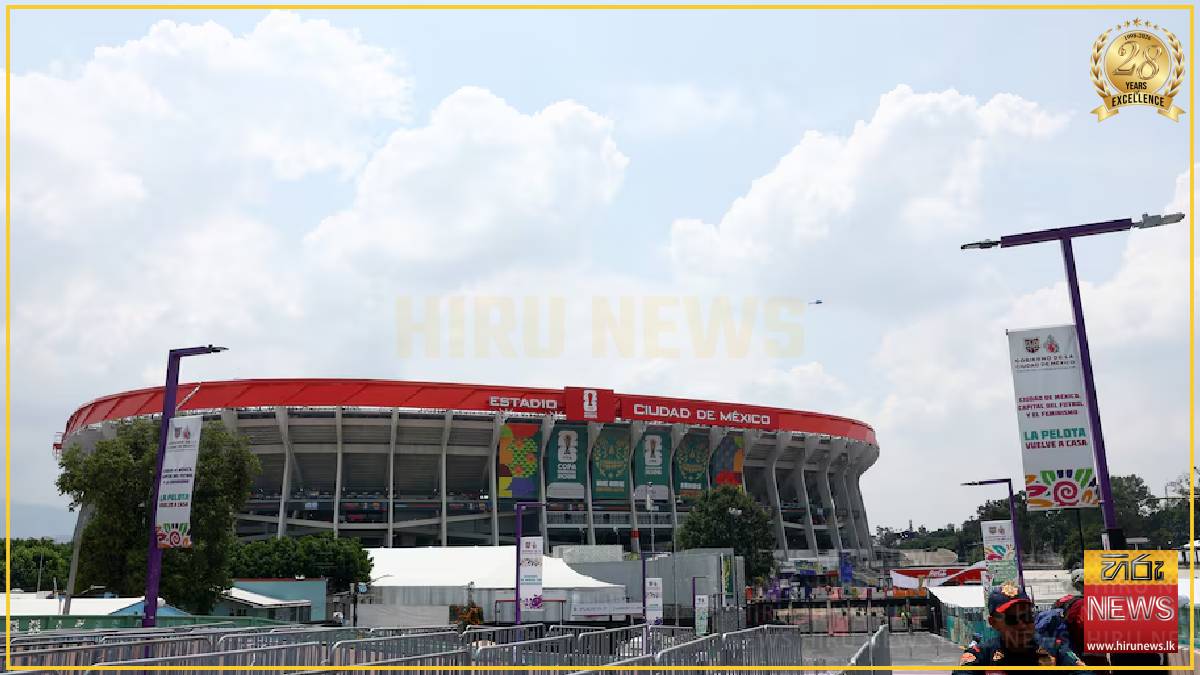
FIFA to stick to schedule for Mexico v England game
Local
04 July 2026
Ake leaves Man City after six seasons
Local
04 July 2026

India's batting sensation Sooryavanshi makes senior debut
Local
04 July 2026

Mertens stuns second seed Rybakina in Wimbledon third round
Local
04 July 2026

Armenia's top court rejects pro-Russia opposition's election request
Local
04 July 2026

Japanese University starts course on ‘anime peace studies’
Local
04 July 2026
Viral strain change triggers dengue rise
Local
04 July 2026