



Share Post


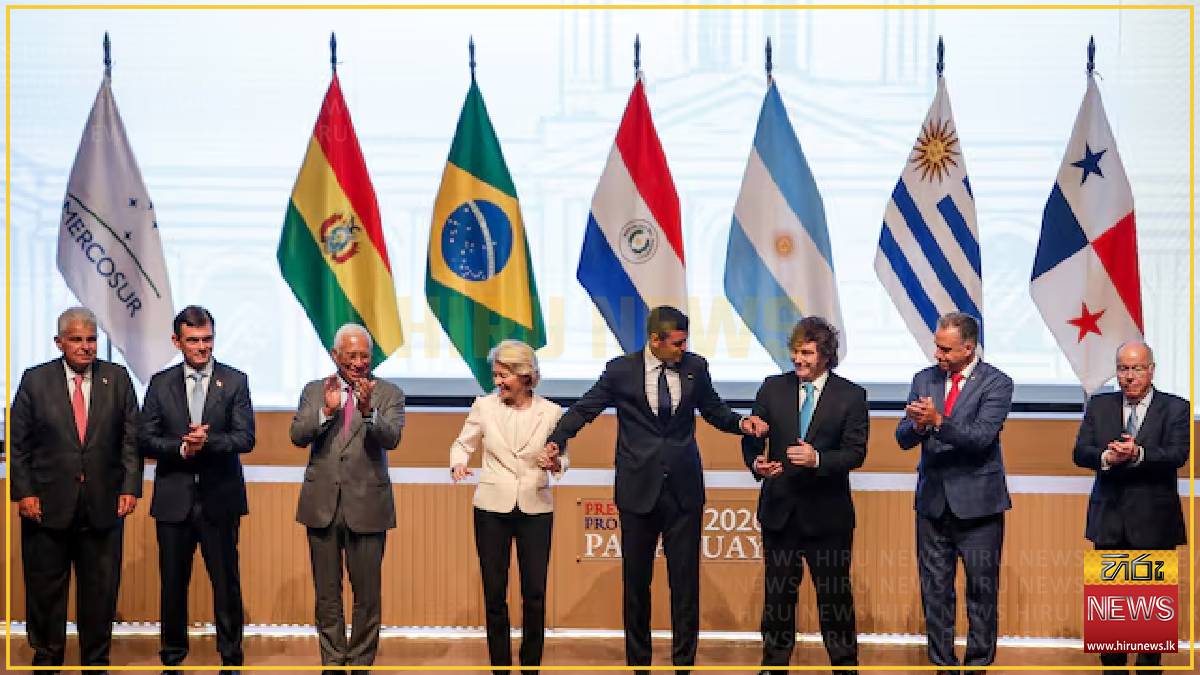
The European Union and South American bloc Mercosur will implement on Friday a contentious free trade agreement that the EU, in particular, hopes will benefit exporters and calm critics, even if it cannot fully offset the blow from U.S. tariffs.
Backers, including Germany and Spain, say the agreement will help compensate for the hit from U.S. President Donald Trump's tariffs and reduce reliance on China for critical minerals. France and other critics argue it will increase imports of cheap beef and sugar and undercut domestic farmers, and environmentalists say it will increase rainforest destruction.
Either way, economists caution that the economic gains from this pact and others concluded in recent months by the EU will be modest and are unlikely to fully make up for lost U.S. trade.
The European Parliament, whose approval is required, voted in January to challenge the agreement in the EU's top court, which could take up to two years to rule, but the European Commission decided to provisionally apply the deal from May 1.
Supporters hope the EU's largest ever agreement in terms of tariff reductions, which took 25 years to negotiate, will swiftly benefit EU exporters so that when the EU assembly does vote, perhaps in two years' time, the advantages will be clear.
TRUMP PROMPTS TRADE DEAL DASH
Alongside Mercosur, the EU has rushed to conclude trade agreements with India, Indonesia, Australia and Mexico since Trump's re-election.
The accords help to shore up free trade at a time when Trump's tariffs and Chinese export curbs on critical minerals undermine a rules-based global order.
The European bloc is also hoping the agreements will help offset a decline in exports to the United States of 15% or more and a hit to GDP of some 0.3% this year alone.
However, Carsten Brzeski, global head of Macro at ING Research, said it was hard to see the new trade relationships replacing the United States.
"Put simply, GDP per capita in the U.S. is by far larger than in these new trading partners," he said.
The European Commission has estimated the Mercosur agreement will boost EU GDP by 0.05% in 2040, while the India agreement, which the EU has dubbed the "mother of all deals", could add 0.1% to GDP, according to the Kiel Institute for the World Economy.
Those benefits are also at least a decade away, when the deals are fully implemented, whereas pain from Trump's tariffs has been immediate.
CHINA ALREADY THERE
EU companies will also face fierce competition in these markets, where Chinese rivals have been steadily building a presence for two decades.
"The elephant in the room is China," said Lucrezia Reichlin, professor of economics at the London Business School.
"And this is not just about tariffs. If you look at what China has done in Asia and in Africa, it has been about investment and the energy transition, too."
Maximiliano Mendez-Parra, principal research fellow at ODI Global, said much had changed since he co-authored a report for the European Commission in December 2020 that forecast a 0.1% increase in EU GDP from the EU-Mercosur deal. Since then China has ramped up sales of vehicles and machinery, items that the EU wants to export, Mendez-Parra said.
-Reuters
Backers, including Germany and Spain, say the agreement will help compensate for the hit from U.S. President Donald Trump's tariffs and reduce reliance on China for critical minerals. France and other critics argue it will increase imports of cheap beef and sugar and undercut domestic farmers, and environmentalists say it will increase rainforest destruction.
Either way, economists caution that the economic gains from this pact and others concluded in recent months by the EU will be modest and are unlikely to fully make up for lost U.S. trade.
The European Parliament, whose approval is required, voted in January to challenge the agreement in the EU's top court, which could take up to two years to rule, but the European Commission decided to provisionally apply the deal from May 1.
Supporters hope the EU's largest ever agreement in terms of tariff reductions, which took 25 years to negotiate, will swiftly benefit EU exporters so that when the EU assembly does vote, perhaps in two years' time, the advantages will be clear.
TRUMP PROMPTS TRADE DEAL DASH
Alongside Mercosur, the EU has rushed to conclude trade agreements with India, Indonesia, Australia and Mexico since Trump's re-election.
The accords help to shore up free trade at a time when Trump's tariffs and Chinese export curbs on critical minerals undermine a rules-based global order.
The European bloc is also hoping the agreements will help offset a decline in exports to the United States of 15% or more and a hit to GDP of some 0.3% this year alone.
However, Carsten Brzeski, global head of Macro at ING Research, said it was hard to see the new trade relationships replacing the United States.
"Put simply, GDP per capita in the U.S. is by far larger than in these new trading partners," he said.
The European Commission has estimated the Mercosur agreement will boost EU GDP by 0.05% in 2040, while the India agreement, which the EU has dubbed the "mother of all deals", could add 0.1% to GDP, according to the Kiel Institute for the World Economy.
Those benefits are also at least a decade away, when the deals are fully implemented, whereas pain from Trump's tariffs has been immediate.
CHINA ALREADY THERE
EU companies will also face fierce competition in these markets, where Chinese rivals have been steadily building a presence for two decades.
"The elephant in the room is China," said Lucrezia Reichlin, professor of economics at the London Business School.
"And this is not just about tariffs. If you look at what China has done in Asia and in Africa, it has been about investment and the energy transition, too."
Maximiliano Mendez-Parra, principal research fellow at ODI Global, said much had changed since he co-authored a report for the European Commission in December 2020 that forecast a 0.1% increase in EU GDP from the EU-Mercosur deal. Since then China has ramped up sales of vehicles and machinery, items that the EU wants to export, Mendez-Parra said.
-Reuters
Latest News
Four women arrested for drunk driving
Local
30 April 2026

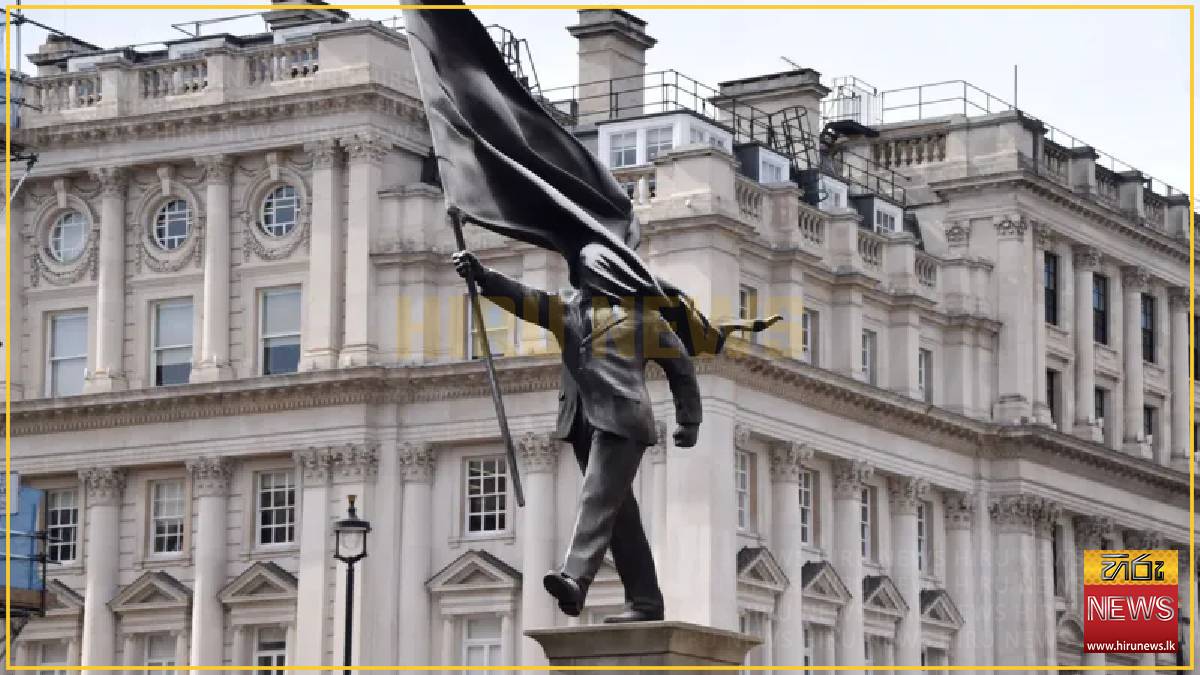
Statue with Banksy's signature appears in London
Local
30 April 2026
The 92mph England fast bowler ready to move on from difficult debut
Local
30 April 2026

Mainoo signs new Man Utd deal until 2031
Local
30 April 2026

Saudi Arabia to stop funding LIV Golf next season
Local
30 April 2026

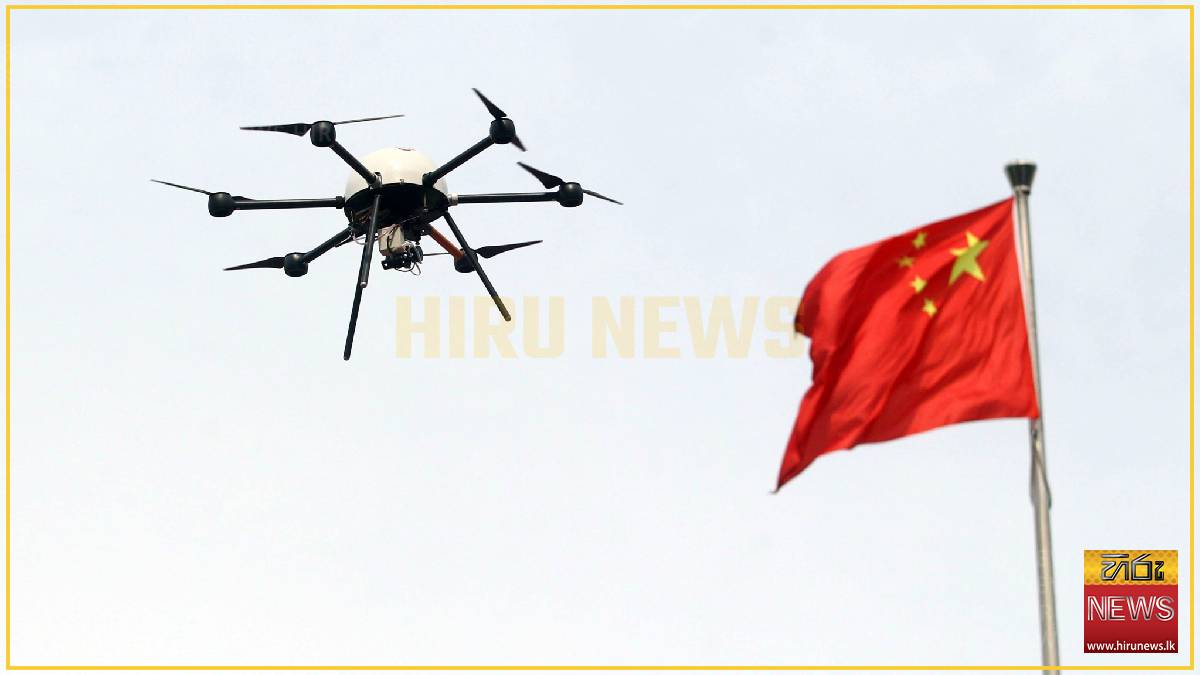
China to ban drone sales in Beijing citing security concerns
Local
30 April 2026
Singapore court fines women for pro-Palestinian walk
Local
30 April 2026

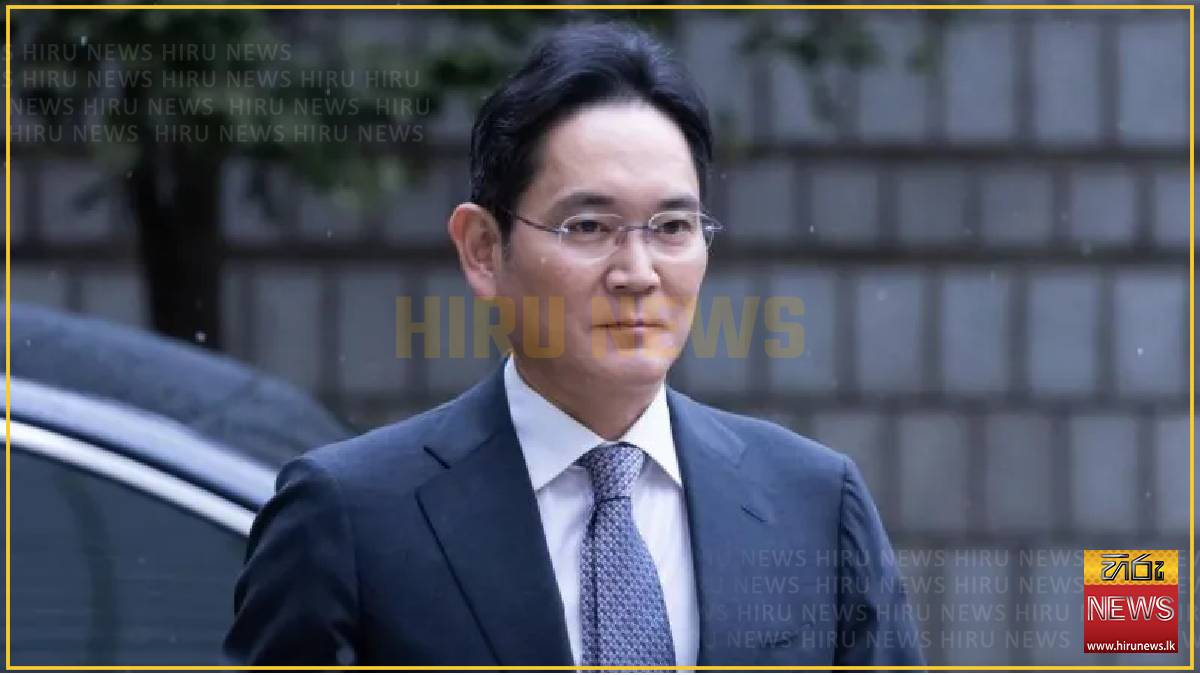
A son overlooked and a jailed tycoon: Inside Samsung's succession drama
Local
30 April 2026
Mamdani says he would ask King Charles to return Koh-i-Noor
Local
30 April 2026
Israel intercepts Gaza flotilla near Crete and detains 175 activists
Local
30 April 2026