




Sri Lanka's garment industry is staring down a harsh new tariff reality in the United States, and the country's slow diplomatic response may have made things significantly worse.
Washington has proposed new duties of up to 12.5% on imports from 60 economies accused of failing to ban goods made with forced labour. Sri Lanka has landed in the highest bracket, with no relief for apparel, its single biggest export to America.
Felix Fernando, Chairman of the Joint Apparel Association Forum, says the warning signs were visible months ago. "The US notified, and they have written to all these sixty countries saying that they want to have a mechanism they have to make sure that all the labour standards are met, especially with the forced labour," he said.
Some countries moved quickly, entering negotiations with the USTR and securing a lower 10% tariff rate. 14 economies, including Bangladesh, Cambodia, Indonesia, and Malaysia, locked in that preferential rate by signing reciprocal trade commitments, leaving them 2.5 percentage points below Sri Lanka when competing for the same American buyers.
Sri Lanka, by contrast, only acknowledged the initial US letter two to three weeks before the ruling was issued. Fernando was pointed about the delay: "They were delaying, and maybe only about two, three weeks before, only they acknowledged the letter, but maybe it's too late."
The USTR formally determined this week that the failure of these trading partners is "unreasonable" and burdens American commerce by allowing forced-labour goods to undercut domestic producers.
The investigation, self-initiated in March, included testimony from nearly sixty witnesses and around five hundred public comments.
The commercial stakes are significant. Fernando acknowledged that Sri Lanka has strong ties with American buyers, but cautioned those relationships may not be enough to absorb the tariff gap. "Buyers also, maybe sometimes 2.5% also will be a big issue for them," he said. "We never know."
Three of Sri Lanka's key competitors, Bangladesh, Cambodia, and Indonesia now sit in the lower 10% band, creating a direct pricing disadvantage for Sri Lankan exporters.
Despite the setback, the industry is pressing the government to pursue last-minute talks with the USTR. "We are going to push the Sri Lankan government to please talk to the USTR even late; they are late already and see whether there will be a possibility to reverse," Fernando said, adding that the goal is to bring Sri Lanka back into the 10% band before the measures are finalised.
Countries can still move to the lower tier by imposing a forced-labour ban, making a reciprocal trade commitment, or filing public comments. Written submissions are due July 6, with hearings at the US International Trade Commission in Washington the following day.
For an industry that depends heavily on the American market, the clock is ticking.
Latest News
Malaysia PM Anwar faces support test amid early polls
AI threatens outsourcing jobs in India and Philippines
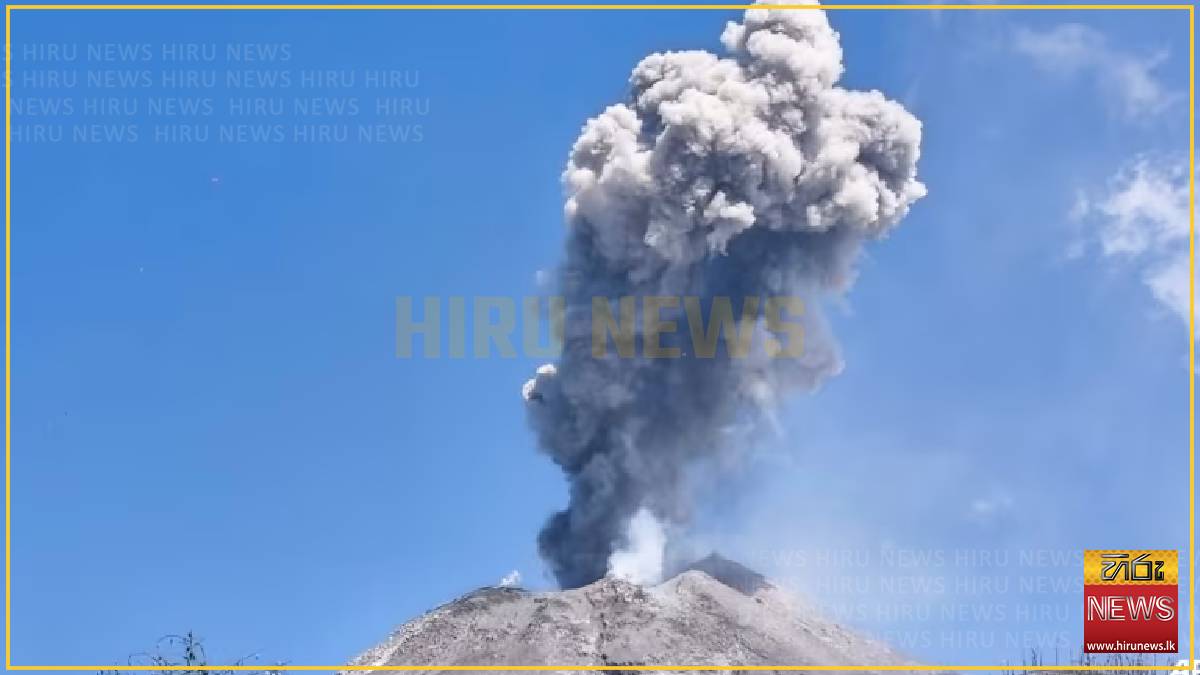
Indonesia's Mount Lewotobi Laki-Laki erupts
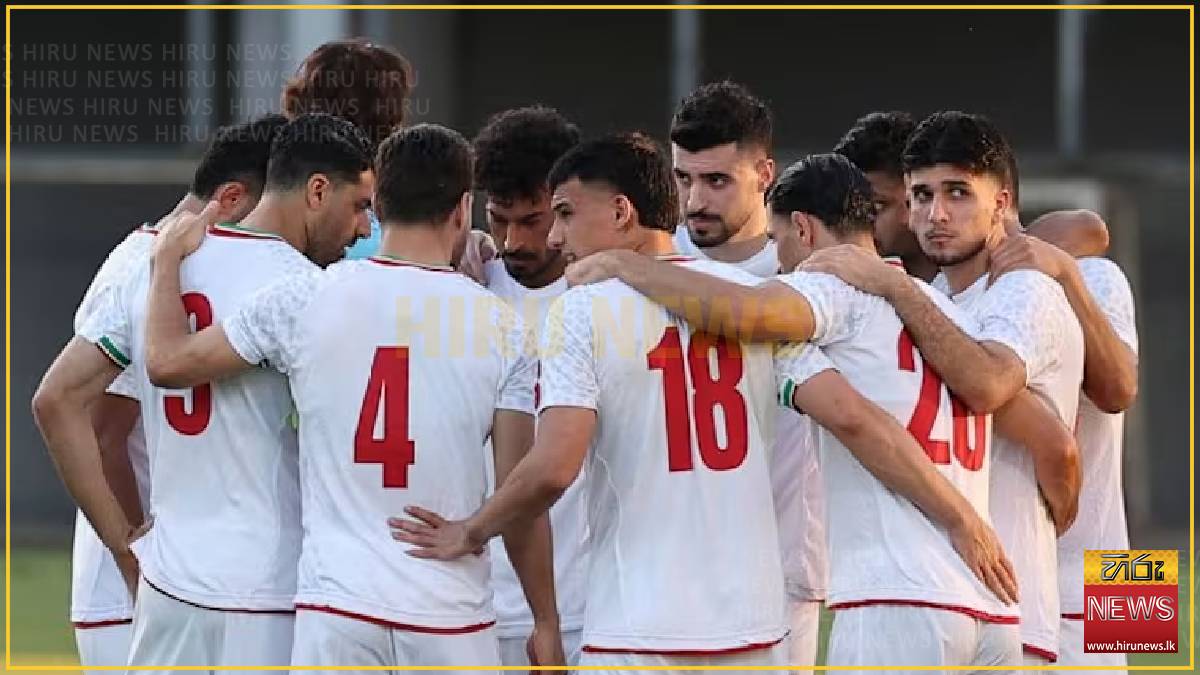
Iran beat Mali in last World Cup warm-up
New Zealand capital flooded with faeces after wastewater failure

Did Sri Lanka's slow response to US tariffs hand the competition better deals?
Phased suburban rail upgrade to begin in Sri Lanka in 2027
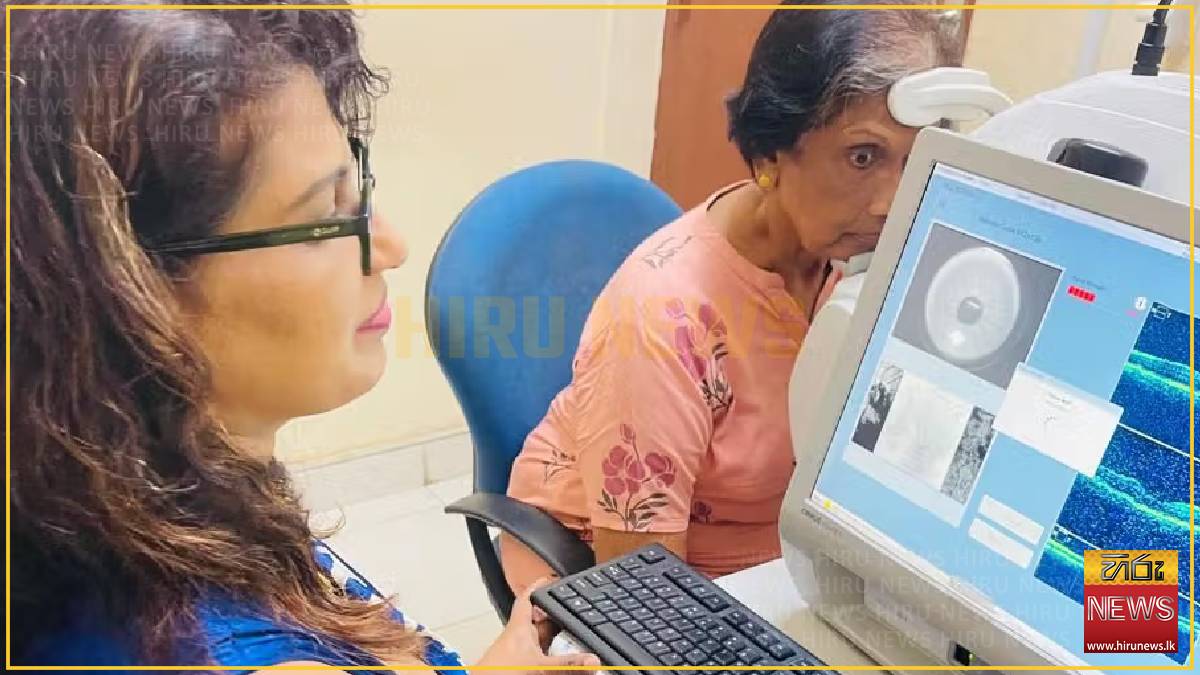
Eye clinic digitisation project launched at Seeduwa Vijaya Kumaratunga Hospital
SLIM signs MoU with AIC for International Automobile Industry Awards
China and SL strengthen cooperation against online gambling and telecom fraud