




Share Post


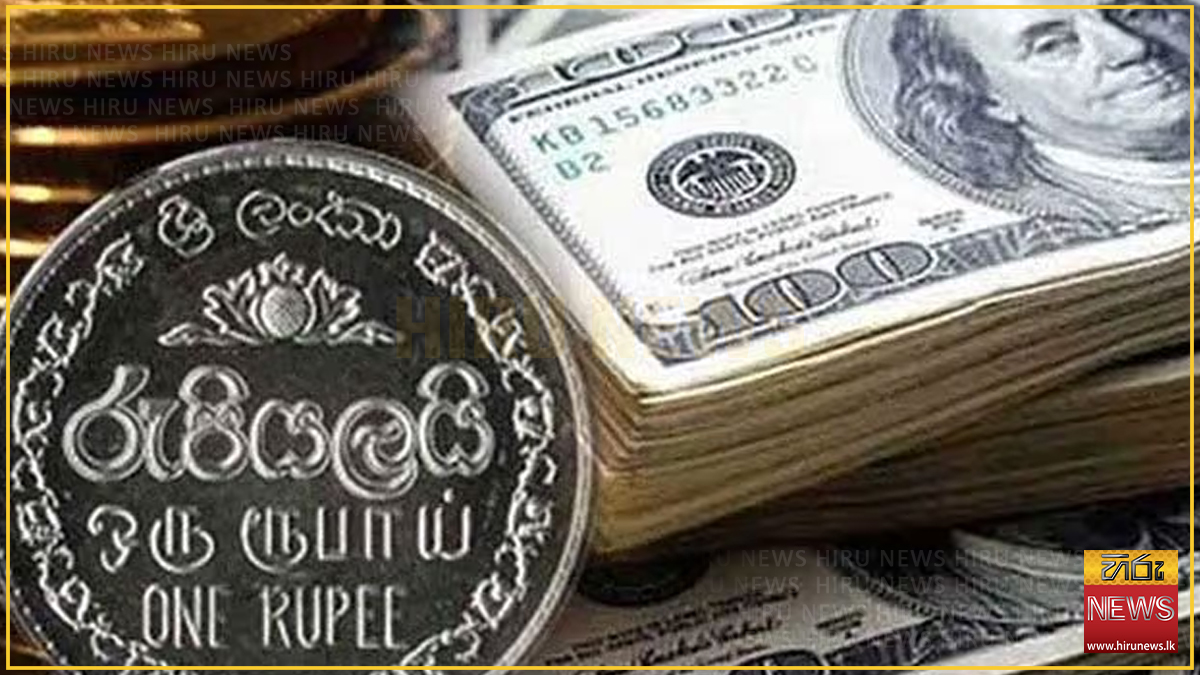
Official remittances to Sri Lanka climbed 32% to 847 million US dollars in May 2026, extending an upward trajectory observed since 2024. Central Bank data reveal that these foreign worker inflows arrived despite escalating Middle East tensions and a decline in the domestic rupee to a near 4-year low. Total inflows for the initial five months of the year reached 3,909.7 million dollars, marking a twenty-six per cent expansion over the corresponding period last year.
The recent momentum builds on a historic annual high of 8,076.2 million dollars recorded in 2025, which included a record single-month peak of 879.1 million dollars last December. Increased migration drove these figures as a larger portion of the local workforce sought foreign employment during the recovery from the unprecedented 2022 economic crisis. Since the bankruptcy declaration that year, the government prioritized deploying skilled professionals abroad to maximize foreign exchange earnings.
Official banking channels captured a steady rise in funds after the Central Bank dismantled a parallel exchange rate mechanism that previously incentivised informal Undiyal and Hawala networks. Expatriates abandoned formal systems in 2021 due to higher informal rates, triggered when money printing to suppress policy rates forced transactions into parallel markets. Unprecedented interest rate hikes in April 2022 ultimately curbed credit growth and halted liquidity injections, paving the way for the current dovish monetary policy.
The recent momentum builds on a historic annual high of 8,076.2 million dollars recorded in 2025, which included a record single-month peak of 879.1 million dollars last December. Increased migration drove these figures as a larger portion of the local workforce sought foreign employment during the recovery from the unprecedented 2022 economic crisis. Since the bankruptcy declaration that year, the government prioritized deploying skilled professionals abroad to maximize foreign exchange earnings.
Official banking channels captured a steady rise in funds after the Central Bank dismantled a parallel exchange rate mechanism that previously incentivised informal Undiyal and Hawala networks. Expatriates abandoned formal systems in 2021 due to higher informal rates, triggered when money printing to suppress policy rates forced transactions into parallel markets. Unprecedented interest rate hikes in April 2022 ultimately curbed credit growth and halted liquidity injections, paving the way for the current dovish monetary policy.
Latest News
BASL to brief MPs on proposed 22nd Amendment
Local
19 August 2026

Indian bride's death case: CBI alleges husband, mother-in-law's role
Local
19 August 2026

Iran warns Gulf states against assisting US military
Local
19 August 2026

Shakira makes surprise visit to earthquake-hit Colombia
Local
19 August 2026

USD selling rate remains at Rs. 336.48
Local
19 August 2026
GTA 6 gameplay videos, full map leaked
Local
19 August 2026

Cabinet approves criminalising unauthorised forex transfers
Local
19 August 2026

Taxi passengers urged to take safety precautions
Local
19 August 2026

Ebola cases in Congo exceed 5,000, government data shows
Local
19 August 2026

Oil extends climb on prolonged Hormuz export uncertainty
Local
19 August 2026








