
Share Post


Official remittances to Sri Lanka climbed 32% to 847 million US dollars in May 2026, extending an upward trajectory observed since 2024. Central Bank data reveal that these foreign worker inflows arrived despite escalating Middle East tensions and a decline in the domestic rupee to a near 4-year low. Total inflows for the initial five months of the year reached 3,909.7 million dollars, marking a twenty-six per cent expansion over the corresponding period last year.
The recent momentum builds on a historic annual high of 8,076.2 million dollars recorded in 2025, which included a record single-month peak of 879.1 million dollars last December. Increased migration drove these figures as a larger portion of the local workforce sought foreign employment during the recovery from the unprecedented 2022 economic crisis. Since the bankruptcy declaration that year, the government prioritized deploying skilled professionals abroad to maximize foreign exchange earnings.
Official banking channels captured a steady rise in funds after the Central Bank dismantled a parallel exchange rate mechanism that previously incentivised informal Undiyal and Hawala networks. Expatriates abandoned formal systems in 2021 due to higher informal rates, triggered when money printing to suppress policy rates forced transactions into parallel markets. Unprecedented interest rate hikes in April 2022 ultimately curbed credit growth and halted liquidity injections, paving the way for the current dovish monetary policy.
The recent momentum builds on a historic annual high of 8,076.2 million dollars recorded in 2025, which included a record single-month peak of 879.1 million dollars last December. Increased migration drove these figures as a larger portion of the local workforce sought foreign employment during the recovery from the unprecedented 2022 economic crisis. Since the bankruptcy declaration that year, the government prioritized deploying skilled professionals abroad to maximize foreign exchange earnings.
Official banking channels captured a steady rise in funds after the Central Bank dismantled a parallel exchange rate mechanism that previously incentivised informal Undiyal and Hawala networks. Expatriates abandoned formal systems in 2021 due to higher informal rates, triggered when money printing to suppress policy rates forced transactions into parallel markets. Unprecedented interest rate hikes in April 2022 ultimately curbed credit growth and halted liquidity injections, paving the way for the current dovish monetary policy.
Latest News
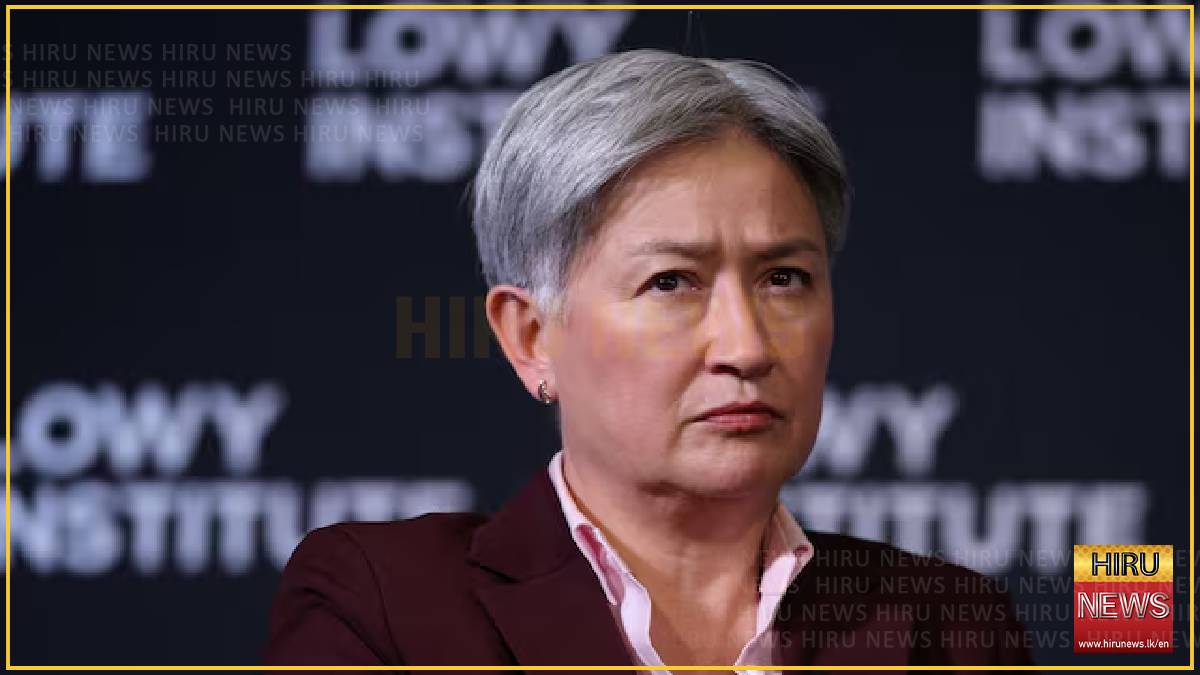
Australia summons Israel envoy over aid worker deaths
Local
20 August 2026
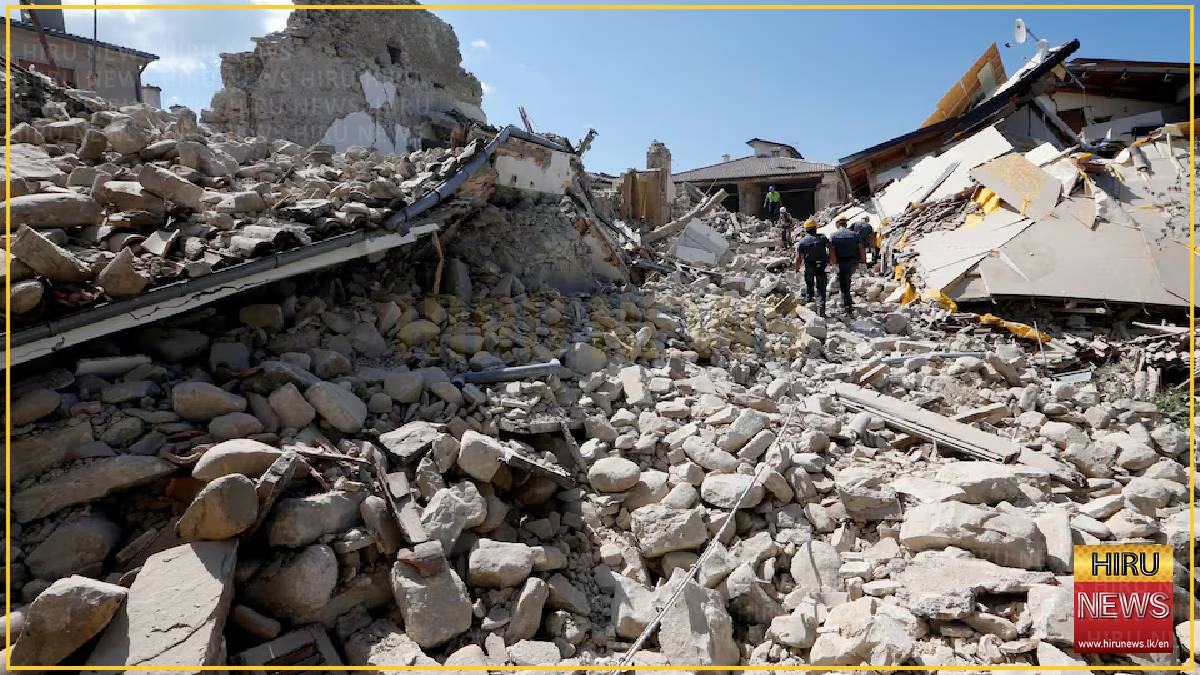
A decade after quake, Amatrice remains in ruins
Local
20 August 2026
Serbia turns to Russia to help fight wildfires
Local
20 August 2026

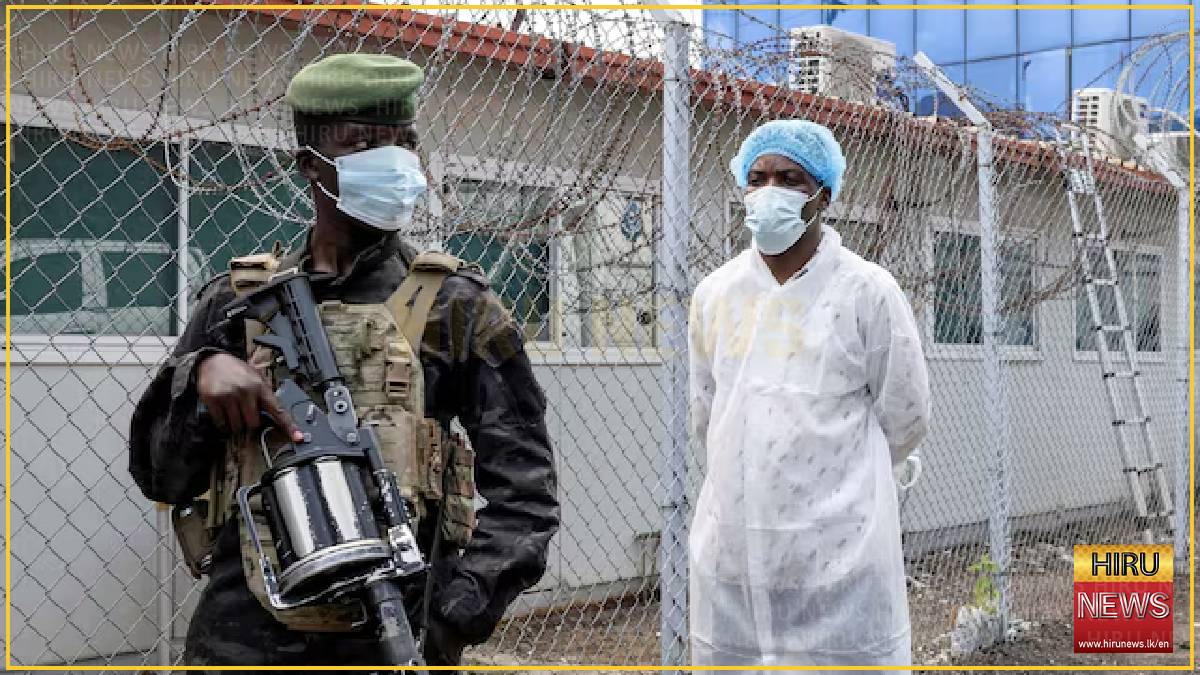
M23 rebels restrict travel over Ebola fears in Congo
Local
20 August 2026
SriLankan supports Lanka’s mission ShakthiSAT representatives
Local
20 August 2026

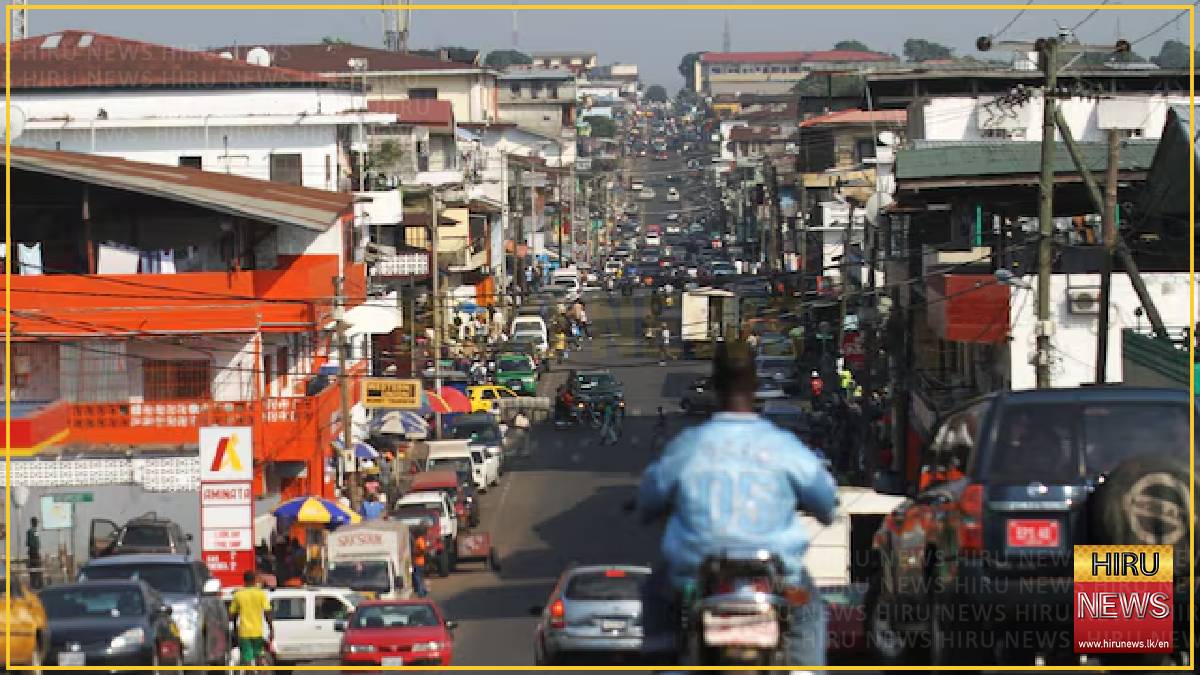
Liberia to receive US deportees mostly from Latin America
Local
20 August 2026
Kazakhstan votes as Tokayev eyes extended rule
Local
20 August 2026
China urges South Korea not to side with US
Local
20 August 2026
Hot weather expected in several areas
Local
20 August 2026

Ceylon Chamber strengthens int’l links with Qatar and Lebanon
Local
20 August 2026